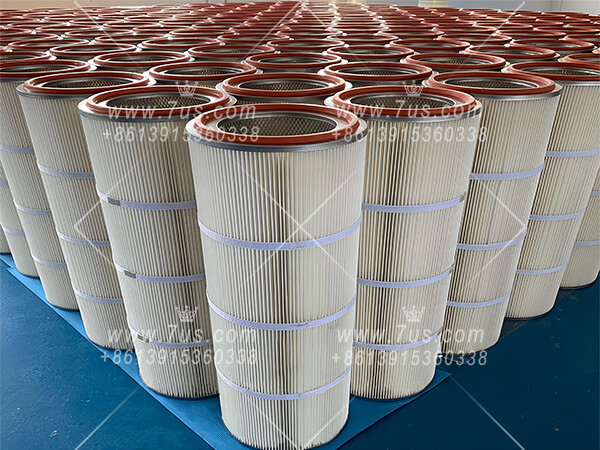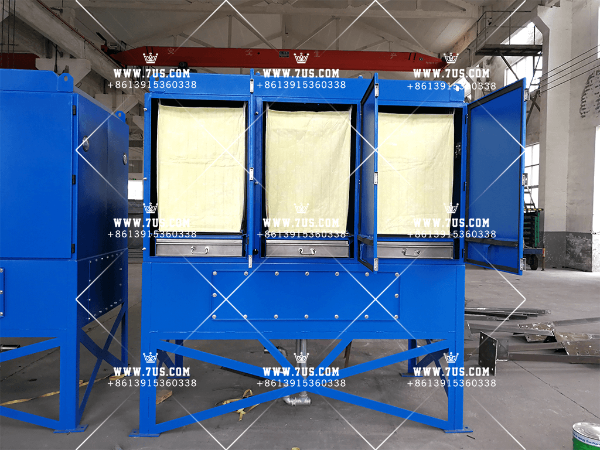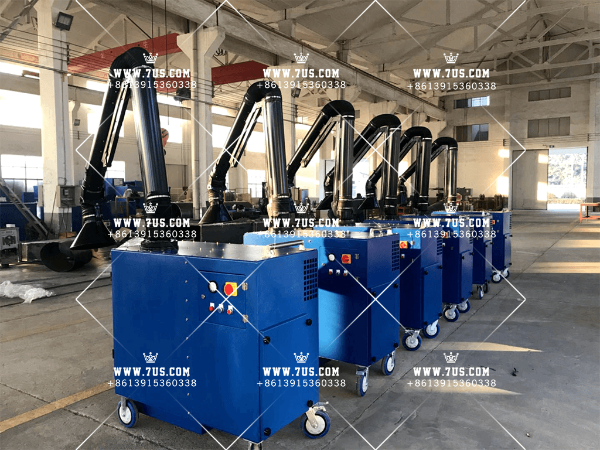


Polyimide (PI) Filter Cartridge
1. Made with polyimide (PI) nonwoven filter media for high-temperature dust collection applications.
2. A specialized forming and curing process converts the nonwoven media into a rigid pleated structure suitable for filter cartridge manufacturing.
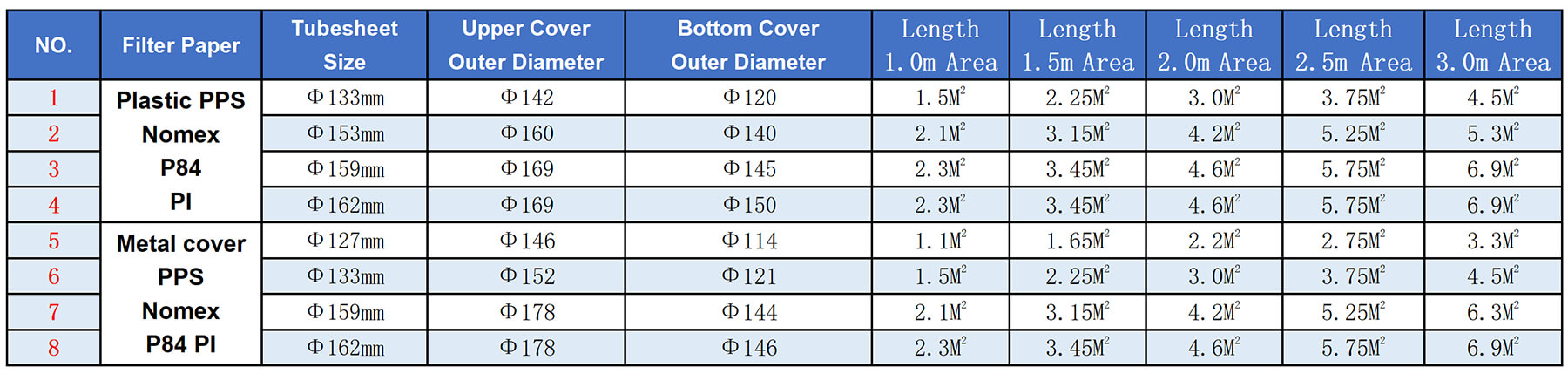
3. PI pleated filter media can be manufactured in lengths up to 2.2 meters and is suitable for selected high-temperature dust collection applications where increased filtration area in a compact configuration is required.
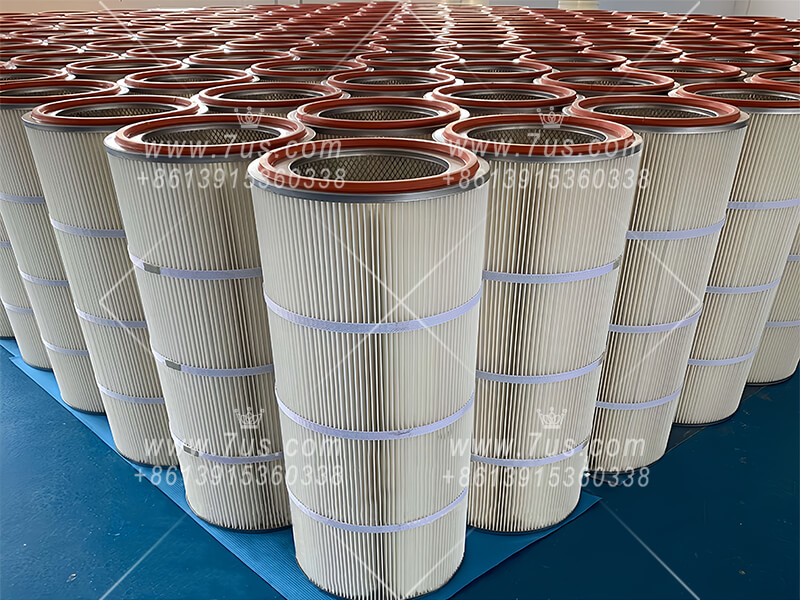
1.1. Polyimide (PI) nonwoven media is designed for high-temperature filtration applications. The media used for this product has a weight of approximately 350 g/m² and a stated temperature resistance range of 220-260°C.
1.2. A specialized forming and curing process converts the soft nonwoven media into a rigid pleated structure suitable for filter cartridge production.
1.3. The pleated construction provides a larger filtration area within a compact volume compared with non-pleated filter media of similar dimensions.
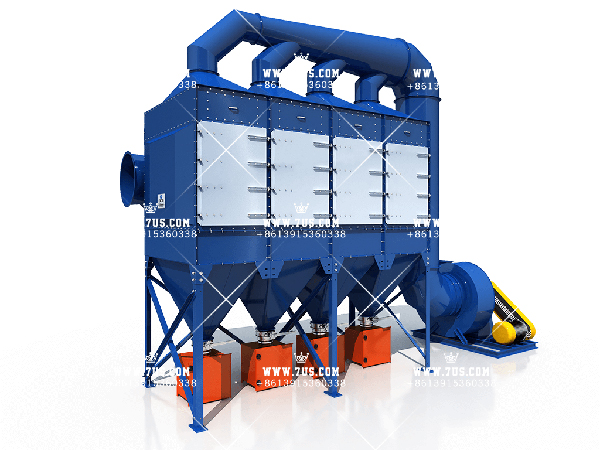
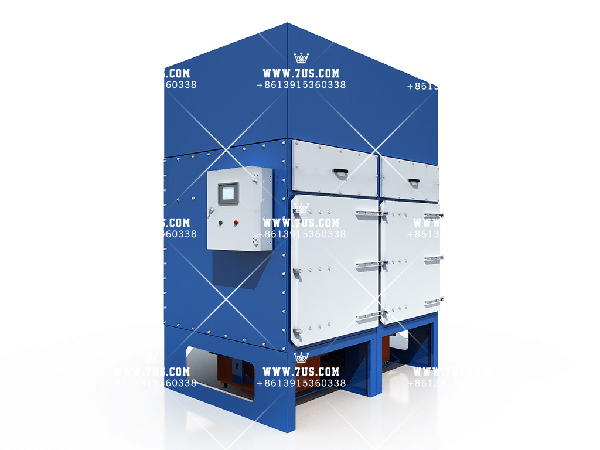
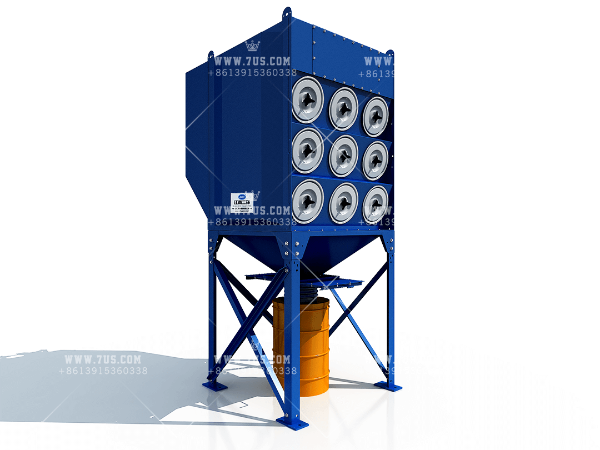
1.4. PI filter cartridges are intended for selected high-temperature dust collection applications in industries such as smelting, chemical processing, building materials, thermal power and waste treatment.
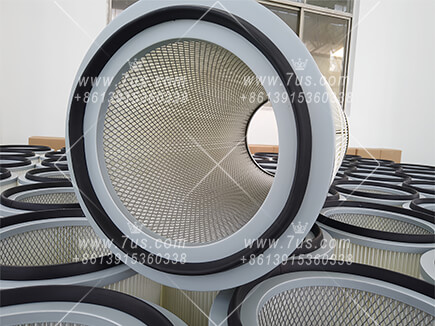
1.1、Art.No. EHFIL001
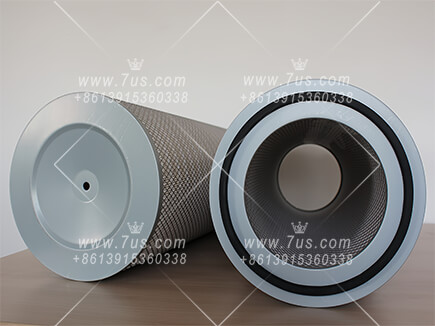
1.2、Art.No. EHFIL002
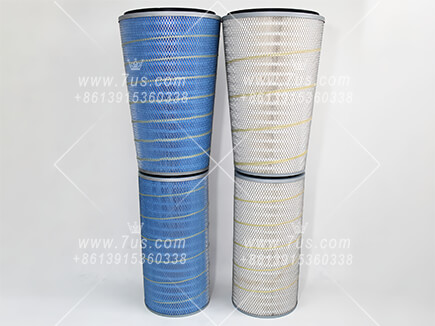
1.3、Art.No. EHFIL003
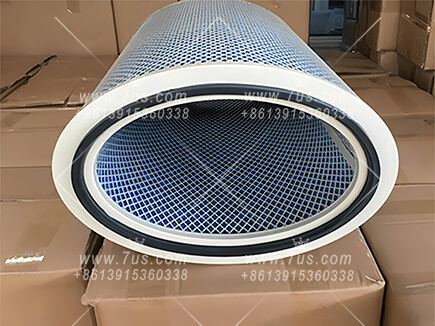
1.4、Art.No. EHFIL004
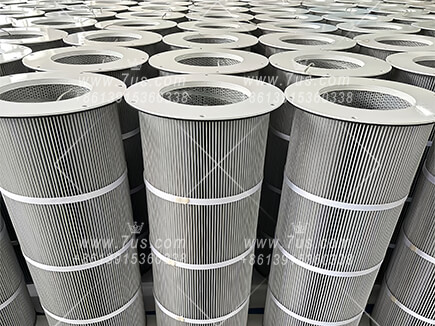
1.5、Art.No. EHFIL005
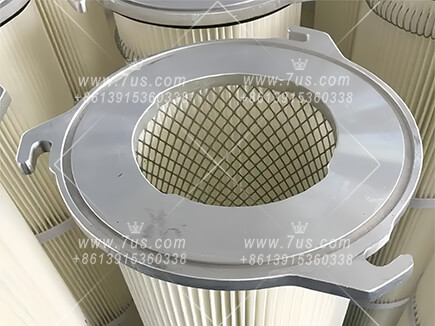
1.6、Art.No. EHFIL006
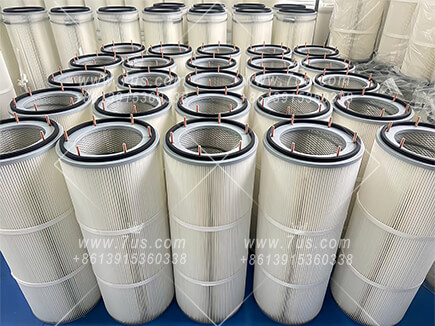
1.7、Art.No. EHFIL007
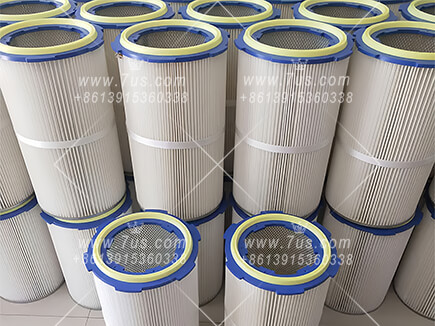
1.8、Art.No. EHFIL008
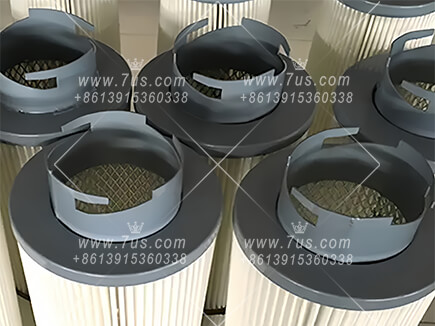
1.9、Art.No. EHFIL009
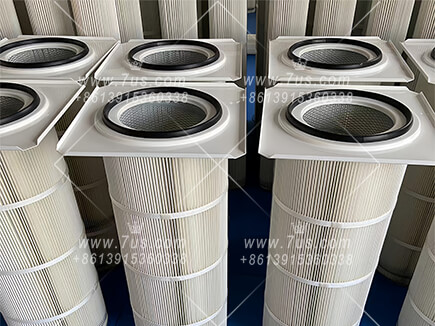
1.10、Art.No. EHFIL010
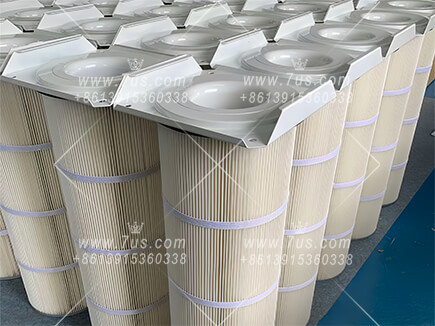
1.11、Art.No. EHFIL011
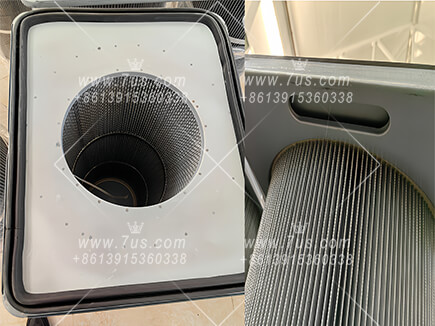
1.12、Art.No. EHFIL012
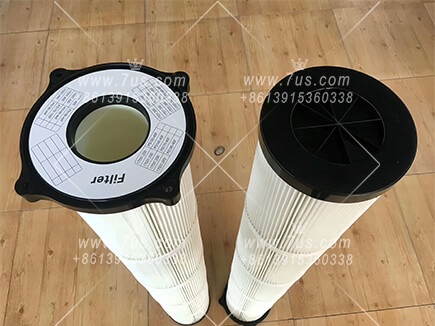
1.13、Art.No. EHFIL013
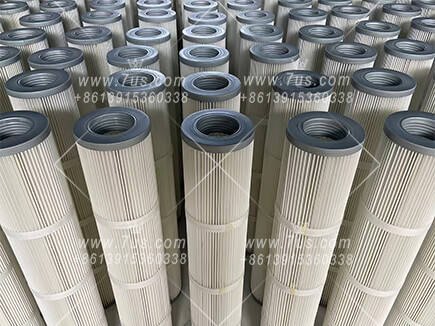
1.14、Art.No. EHFIL014
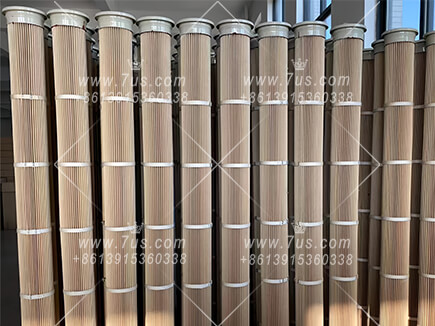
1.15、Art.No. EHFIL015
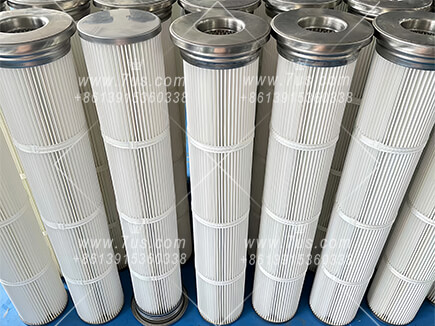
1.16、Art.No. EHFIL016

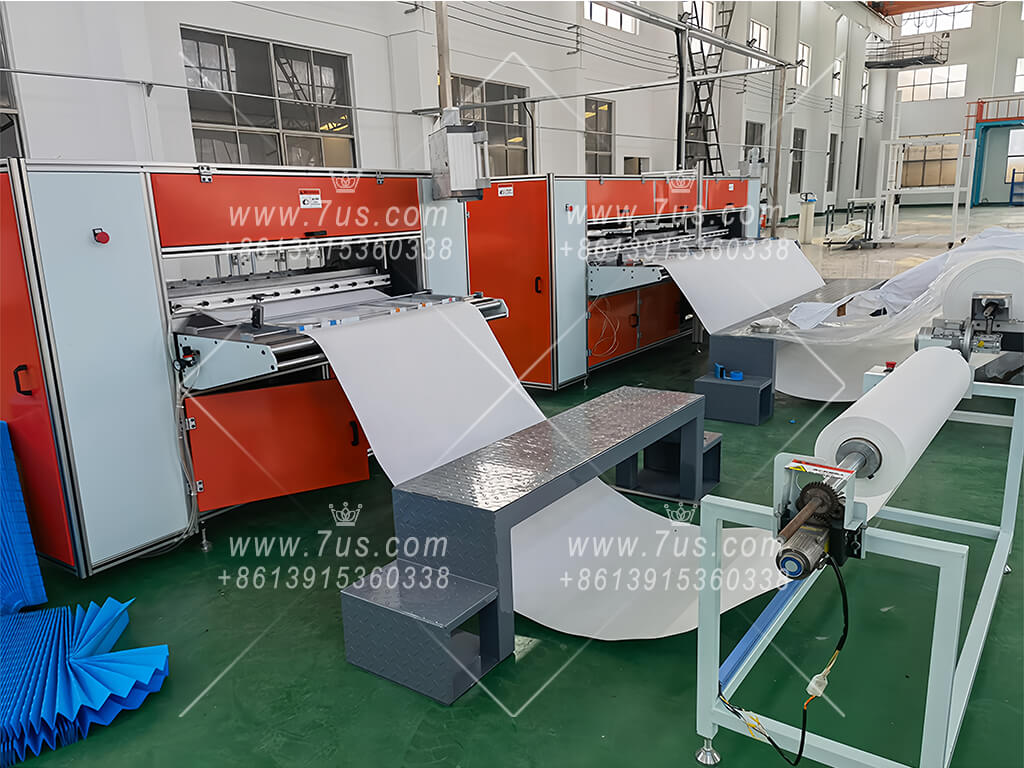 Polyester Media Pleating Machine
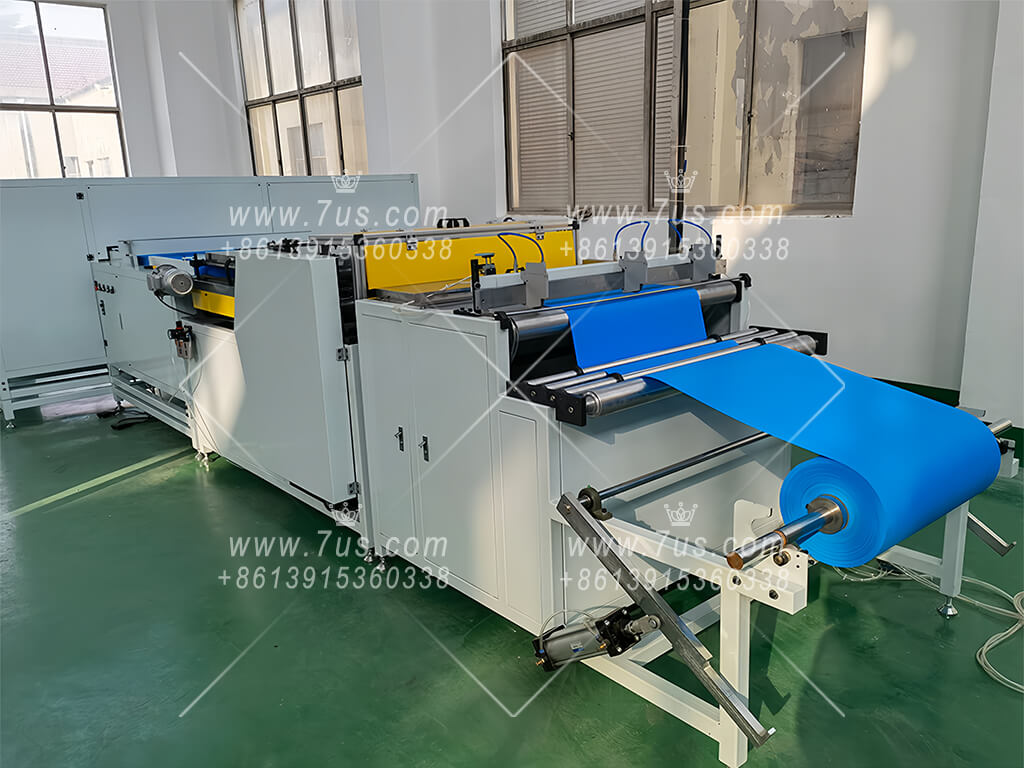 Cellulose Media Pleating Machine
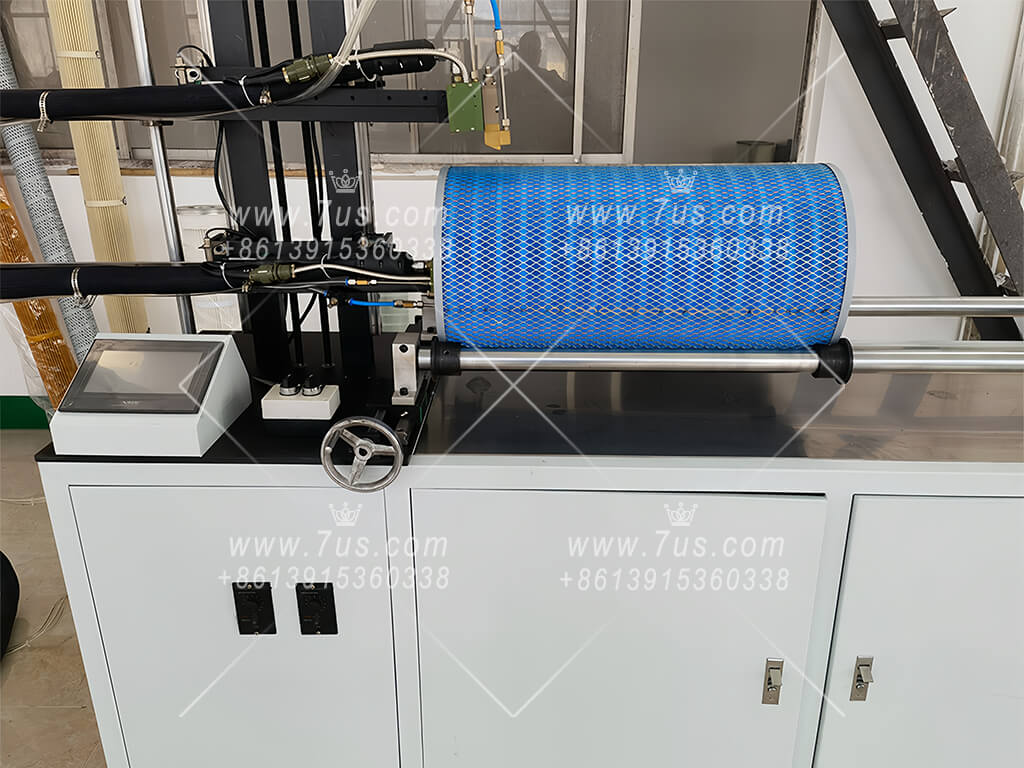 Automatic Spiral Gluing Machine
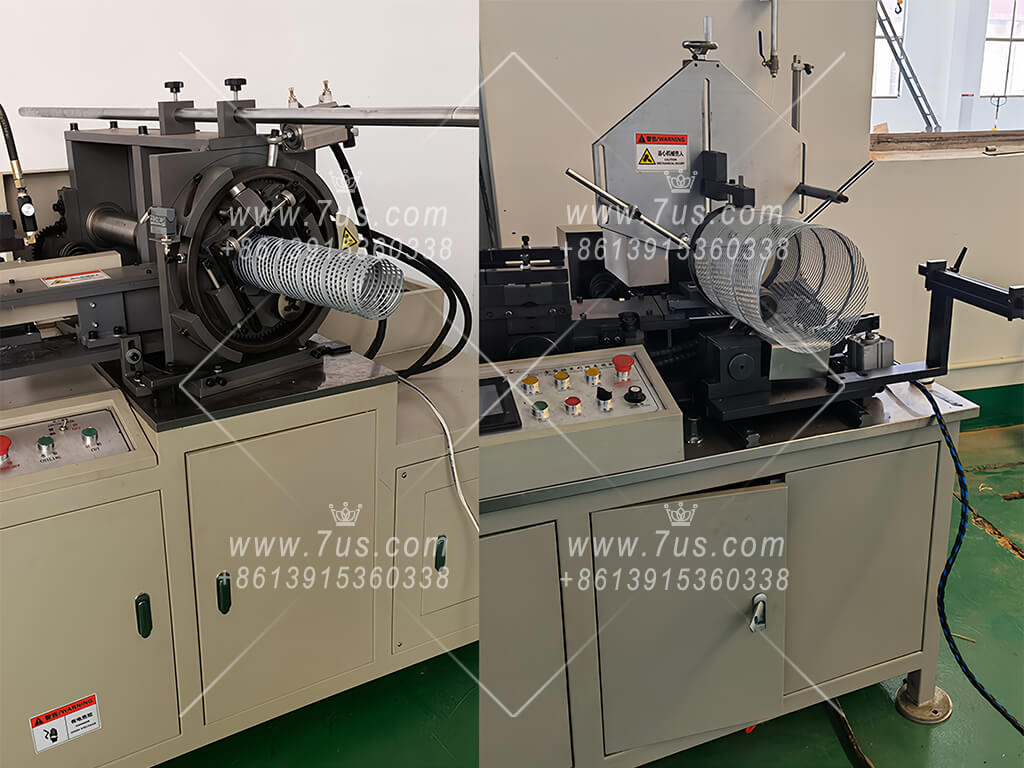 Automatic Support Mesh Production Line
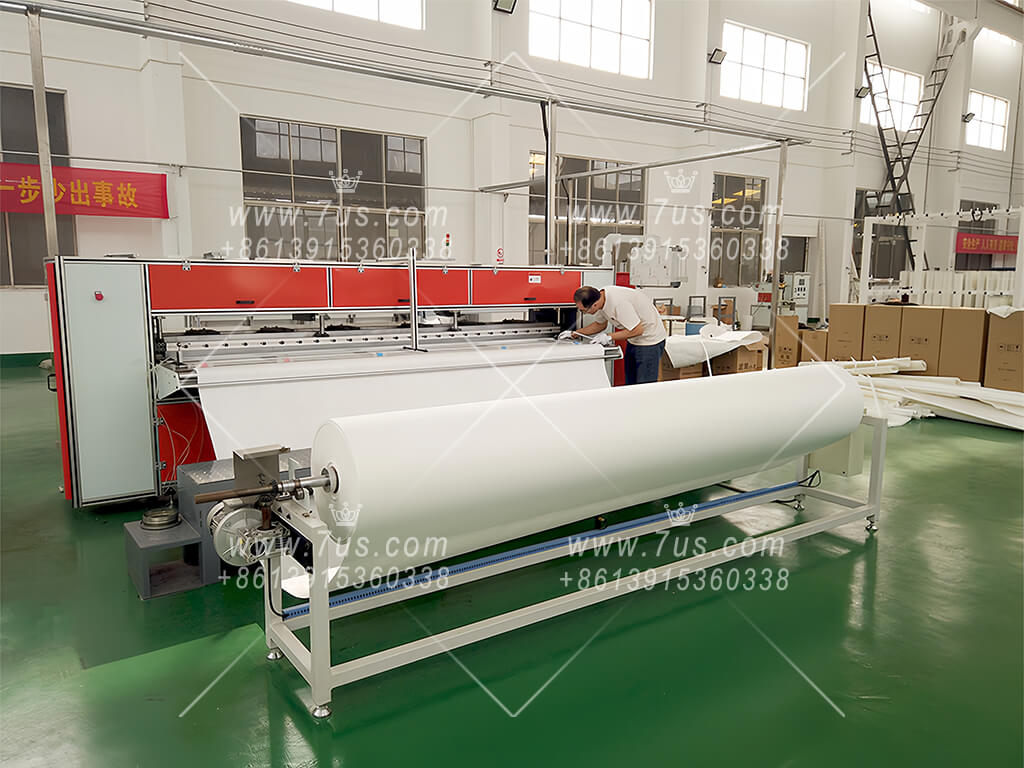 3-Meter Filter Media Pleating Machine
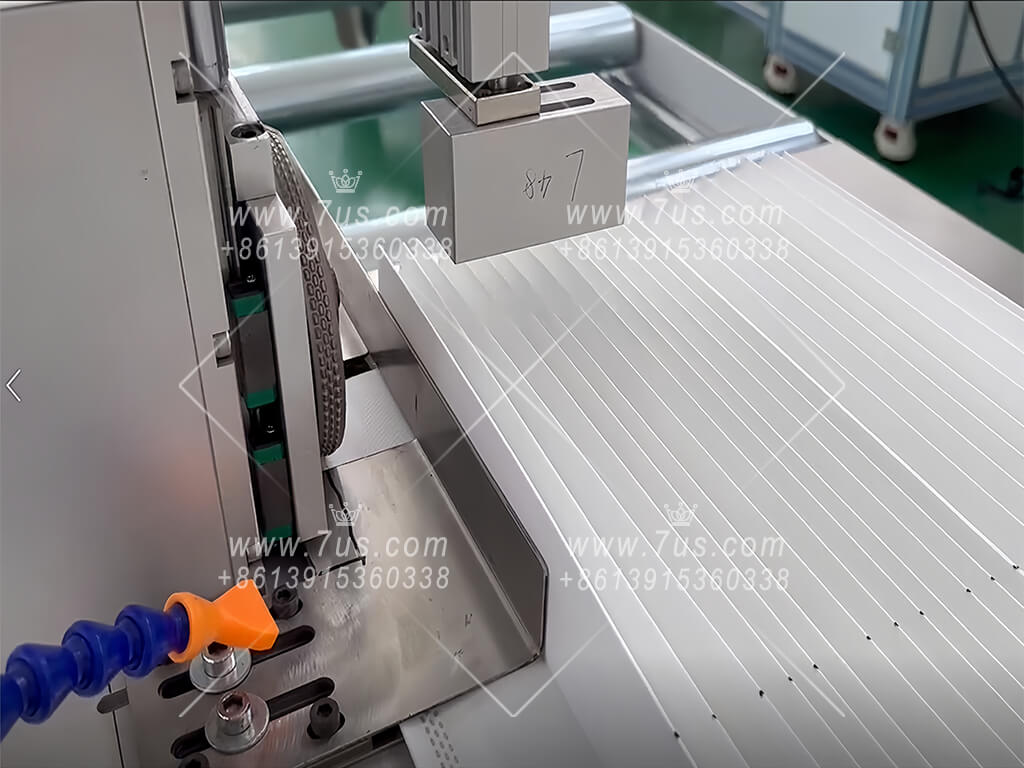 Filter Media Seam Ultrasonic Welding
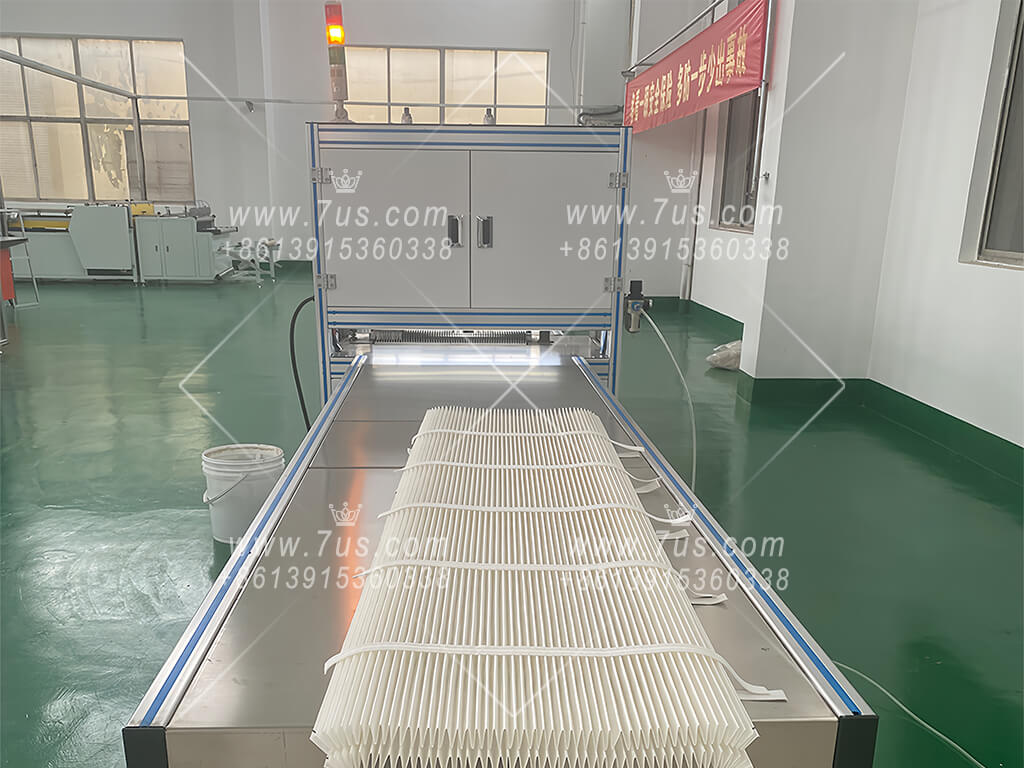 Binding Tape Ultrasonic Welding
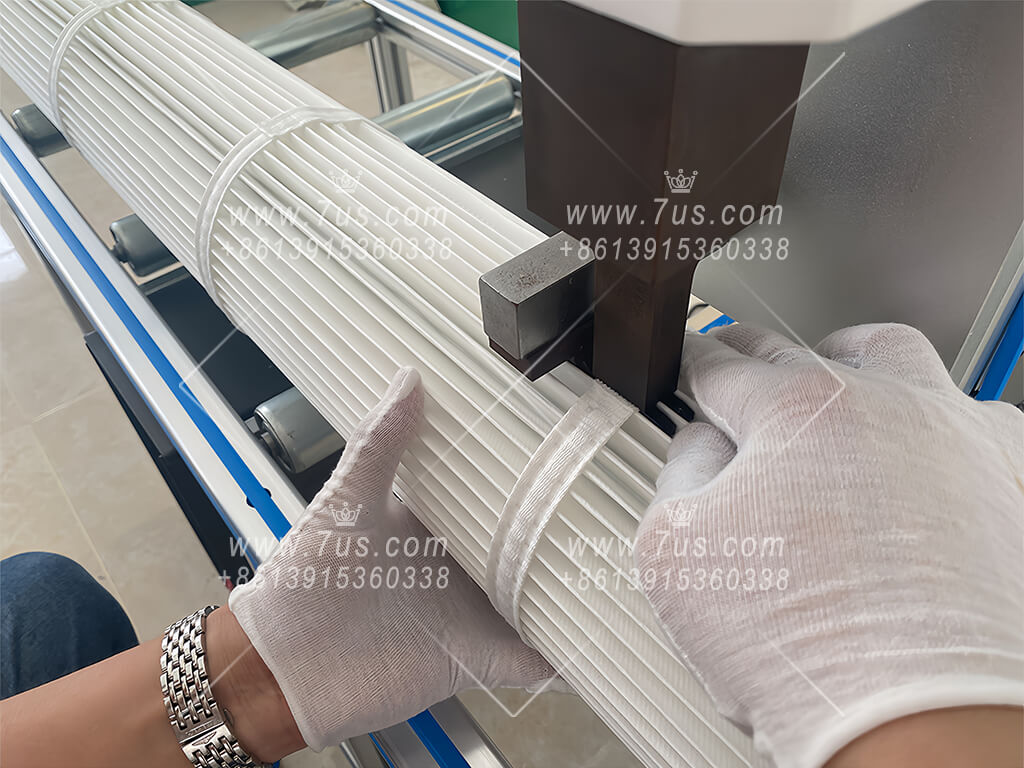 Ultrasonic Welding Process
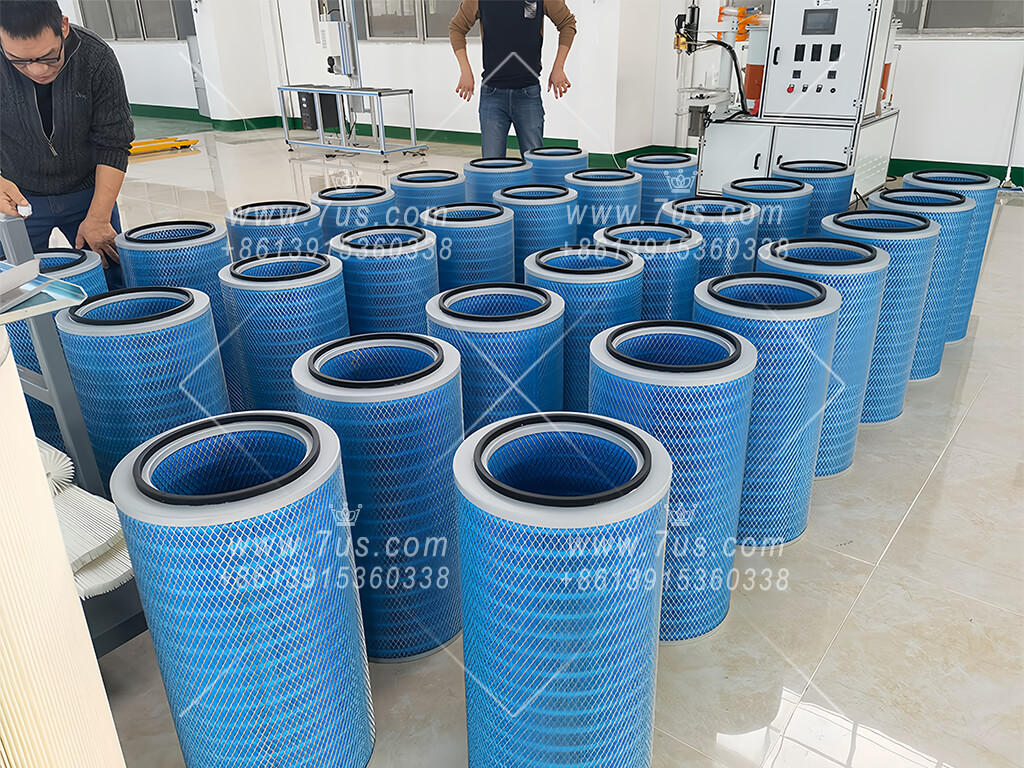 Cellulose Filter Cartridge Production
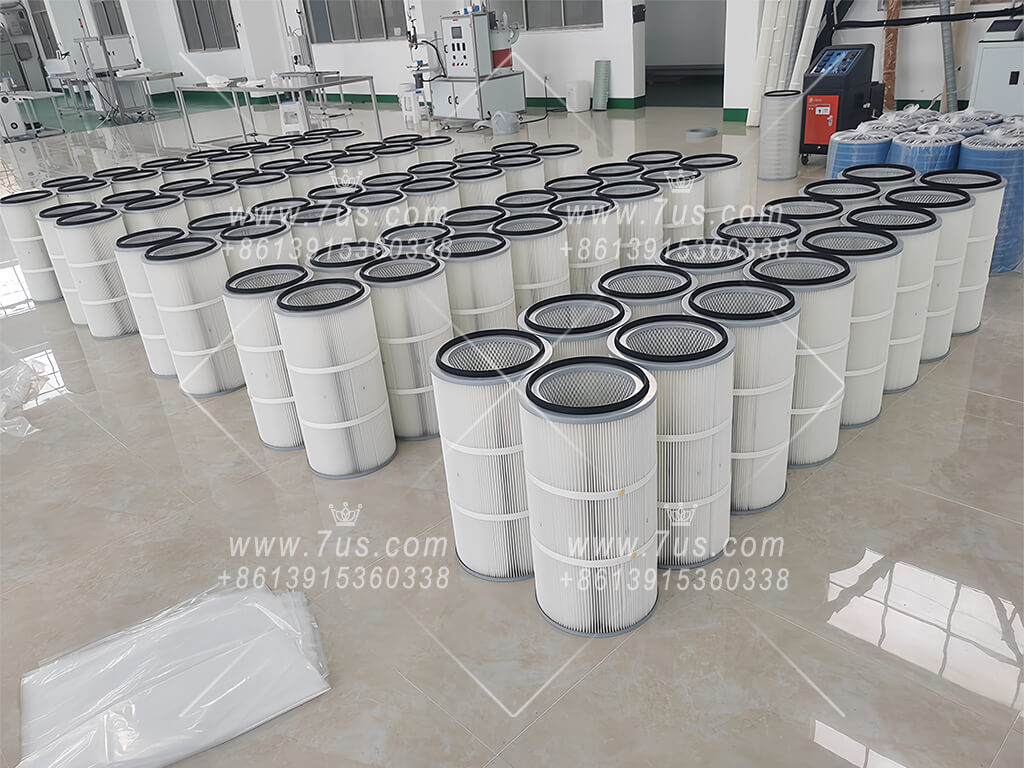 Polyester Filter Cartridge Production
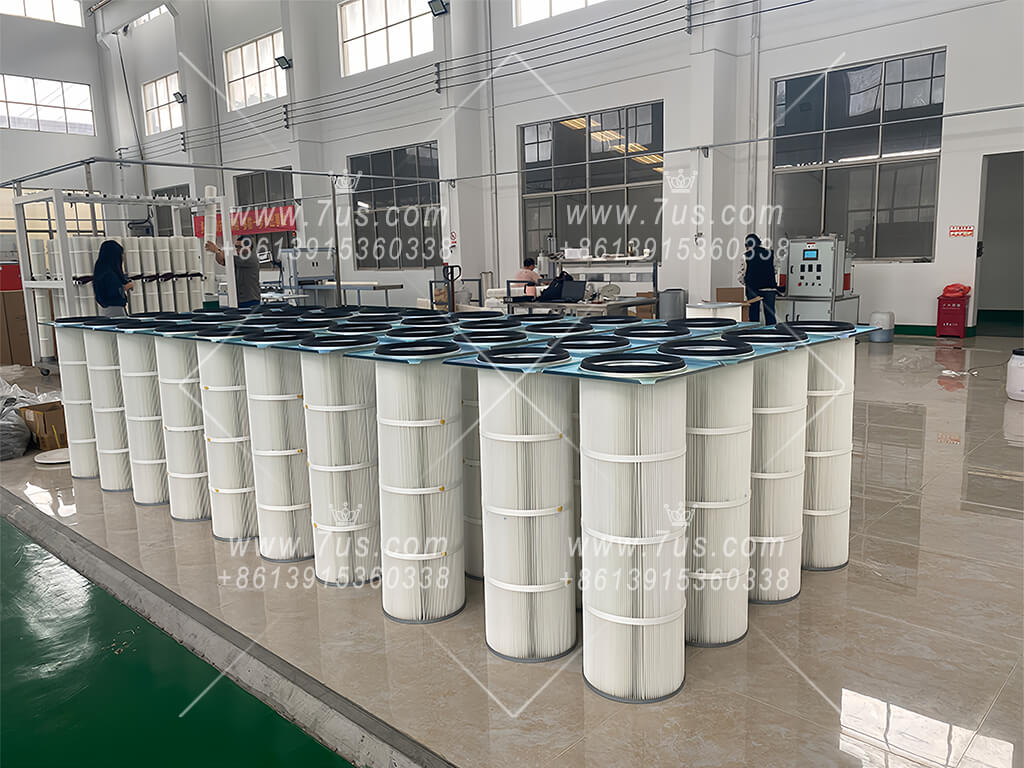 Square-Top Filter Cartridge Production
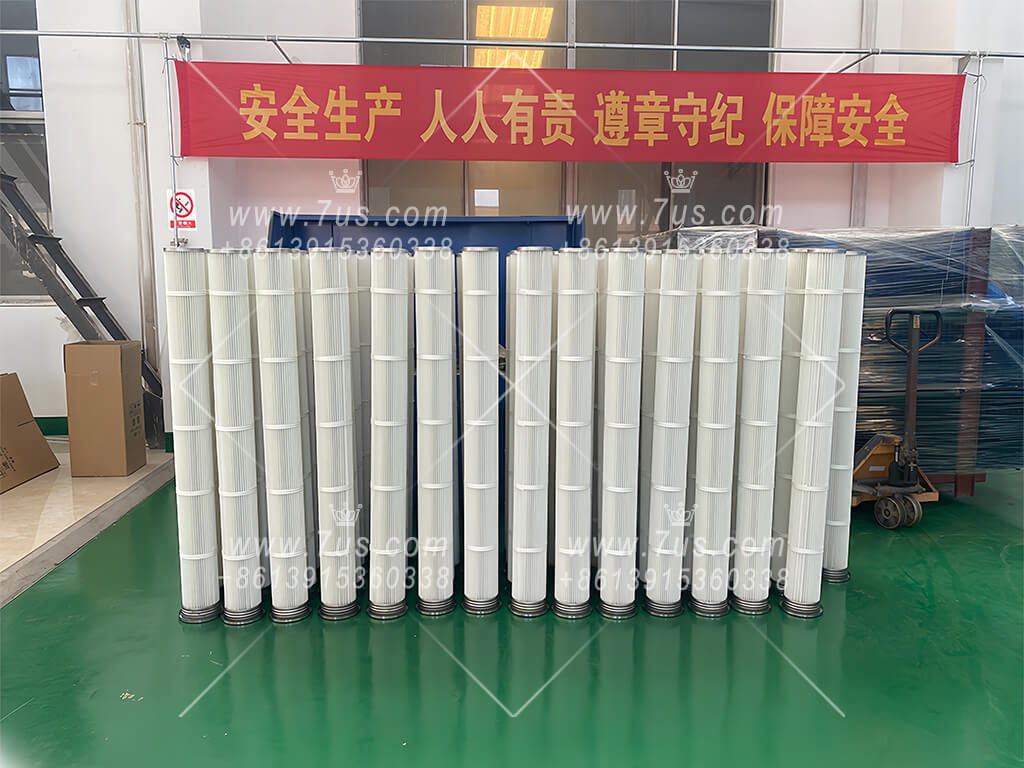 Pleated Filter Cartridge Production
A filter cartridge is a replaceable filtration element used in industrial dust collectors to separate airborne particulate from the airstream. Different filter media and constructions are selected according to the dust characteristics and operating conditions.
1.2: Is a filter cartridge better than a filter bag?Filter cartridges and filter bags each have suitable applications. Pleated filter cartridges can provide a relatively large filtration area within a compact volume, while filter bags may be preferred for other dust characteristics, temperatures or operating conditions. Selection should be based on the actual application.
Industrial dust collector filter cartridges are commonly cleaned by pulse-jet compressed air. A short pulse of compressed air creates a reverse airflow through the cartridge, helping release accumulated dust from the filter media surface and reduce operating resistance.
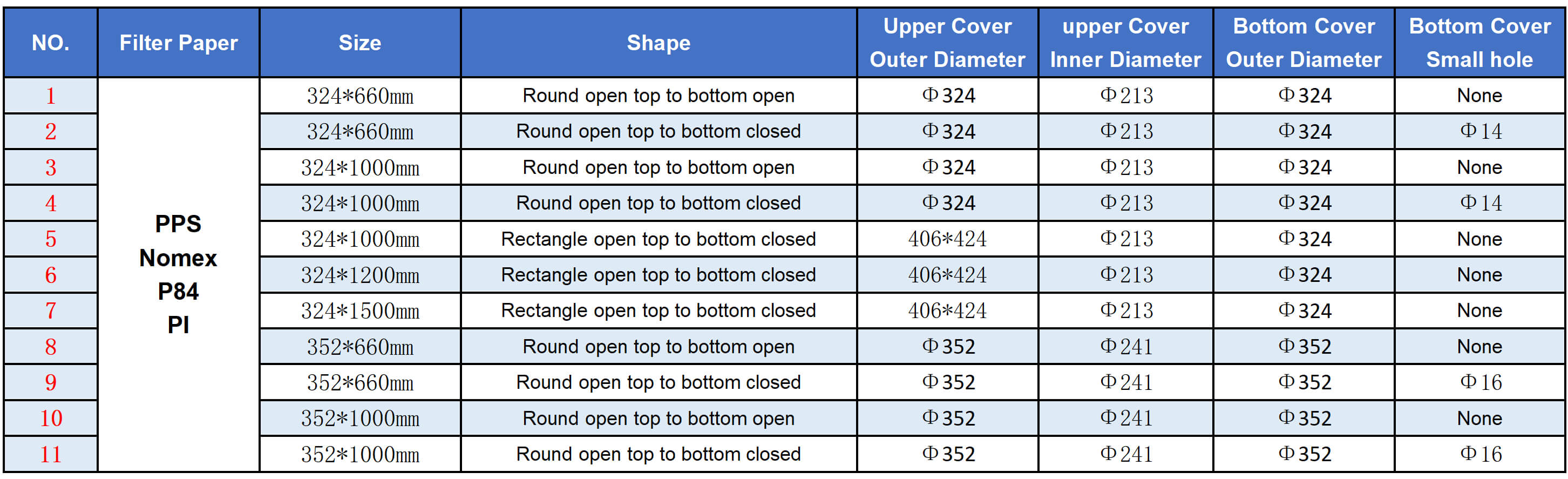
1.4: What filter cartridge sizes are available?Common sizes include Ø350 × 660 mm, Ø324 × 660 mm and Ø324 × 1000 mm. Other diameters, lengths and configurations can be customized according to equipment and application requirements.
Filter cartridges are available in various configurations, including cylindrical, conical and other pleated designs. Custom filter cartridges can also be manufactured according to supplied dimensions, drawings or samples.
1.6: What installation methods are available?Installation configurations include horizontal mounting, inclined mounting, threaded mounting, top loading, bottom loading, side loading and other customized structures according to the dust collector design.
Common filter cartridge media include cellulose-based media, polyester (PET), glass-fiber-based media, PPS and polyimide (PI) nonwoven media. The appropriate material depends on temperature, dust characteristics and application requirements.
2.2: What is a cellulose filter cartridge?Cellulose-based filter media are commonly used in suitable dry-dust applications. Pleated construction provides a relatively large filtration area within a compact cartridge. The actual filtration area depends on cartridge diameter, length, pleat depth and pleat spacing.
2.3: What functional options are available for cellulose media?Depending on application requirements, cellulose-based media can be supplied with additional treatments or composite layers, including selected surface coatings, flame-retardant options and antistatic configurations.
Polyester (PET) nonwoven media are widely used in industrial dust collection applications. They provide good mechanical strength and can be formed into pleated cartridge configurations. Filtration area varies according to cartridge dimensions and pleat geometry.
2.5: What functional options are available for polyester media?Polyester media can be supplied with various treatments and composite layers according to application requirements, including membrane lamination, flame-retardant options and antistatic configurations.
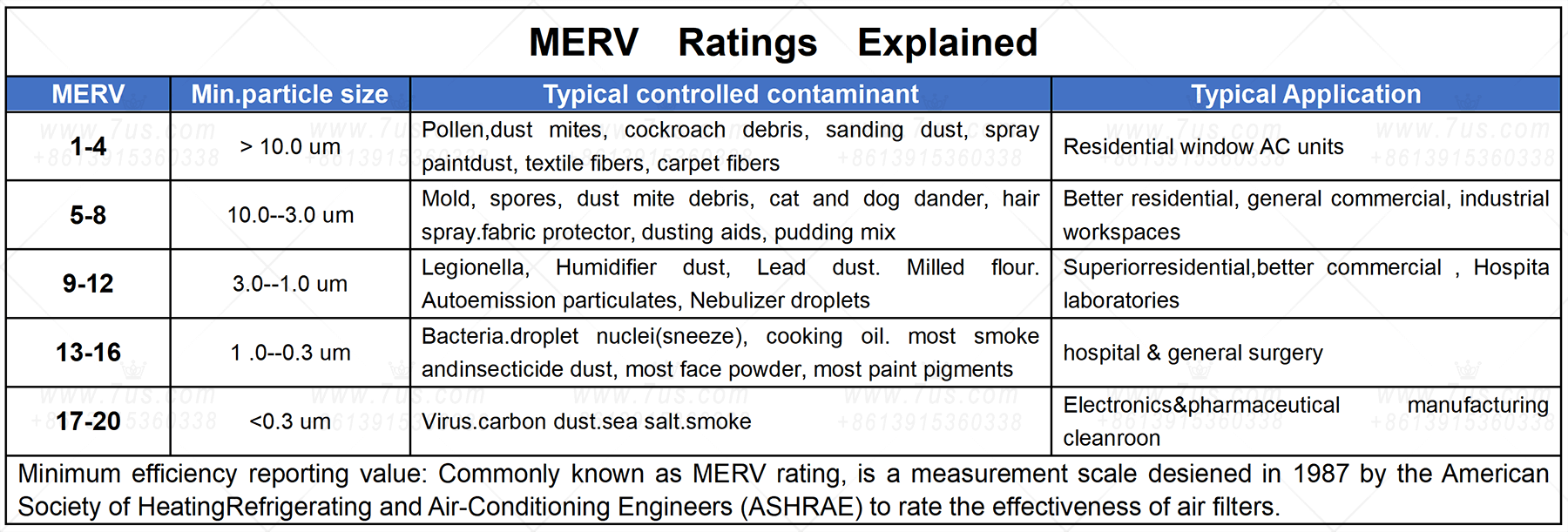
Filter cartridge performance depends on the base media, surface treatment or membrane, dust characteristics, particle-size distribution, airflow, filtration velocity and operating conditions. Different media should be selected according to the required application rather than relying on a single universal efficiency rating.
3.2: What surface-treatment options are available?Depending on the filter media and application, available options may include surface coating, impregnation and membrane lamination. Polyester media can also be combined with PTFE or ePTFE membrane technology for selected applications.
3.3: Does a larger filtration area always mean better performance?Not necessarily. Increasing filtration area can reduce filtration velocity, but excessively tight pleat spacing may make dust release more difficult during pulse cleaning. Filtration area, pleat spacing and cleaning performance should therefore be considered together.
3.4: What filtration velocity should be used?Filtration velocity should be selected according to the filter media, dust concentration, particle characteristics and cleaning conditions. The appropriate value varies by application and should be determined during dust collector selection.
No. 173, Wuwei Industrial Zone, Xushe Town, Yixing, Jiangsu, China© 1994-2026 7US.com. All rights reserved | Privacy PolicySite map
Phone