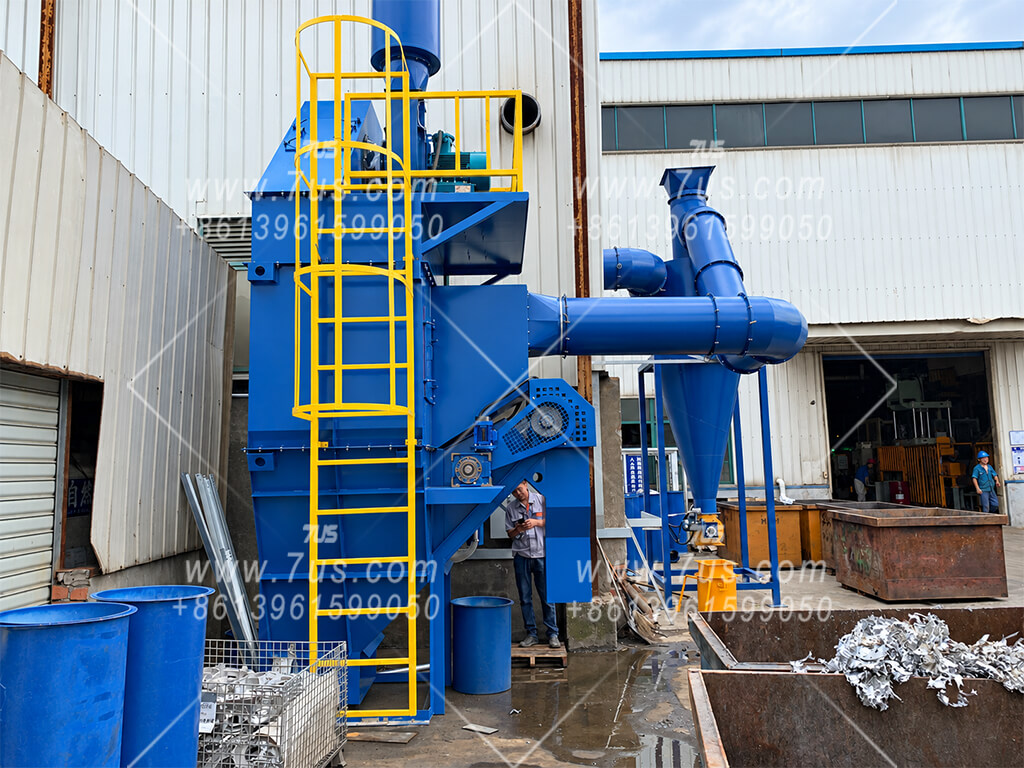
Cartridge, baghouse and wet dust collection systems, configured around your dust characteristics, process and installation conditions.
Choose downflow or vertical cartridge collectors, baghouse systems or wet collection. Protection options include explosion venting, isolation, static control and suitable electrical components, selected for the application.
Factory-built units with project-specific configurations for OEM supply and industrial dust collection.
A familiar collector design, configured for combustible dust
Our explosion-protected dust collectors are based on conventional cartridge, baghouse or wet collector designs, with application-specific protection equipment and the necessary structural, electrical and control provisions. The collection principle remains the same; the protection package is selected around the dust and the installation.
Safety requirements vary by country and region. Not every application requires every protection device shown on this page. The appropriate combination is selected to meet applicable local regulations and project requirements, taking account of the dust hazards and installation conditions.
Adding an explosion-proof motor or an antistatic filter alone does not make an ordinary collector a complete explosion-protected system.
01 / EXPLOSION PROTECTION
Cartridge Dust Collectors with Explosion Protection
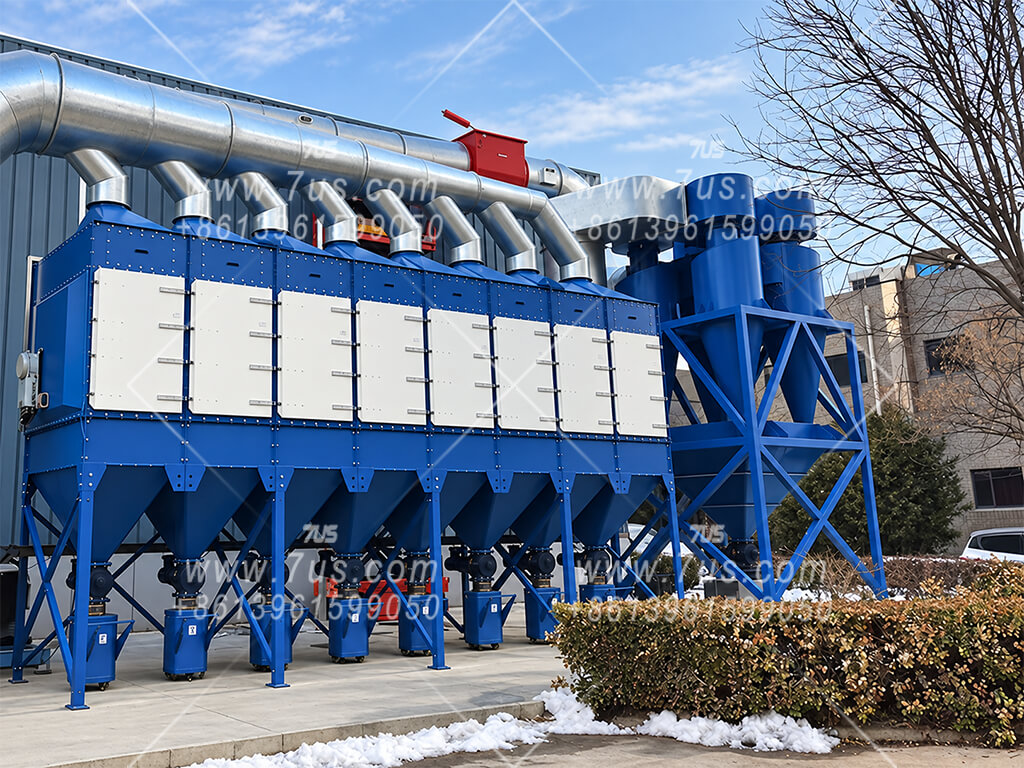
Choose compact downflow units or vertical cartridge systems to suit the airflow, dust loading and available installation space. The photos below show equipment configurations and installation details.
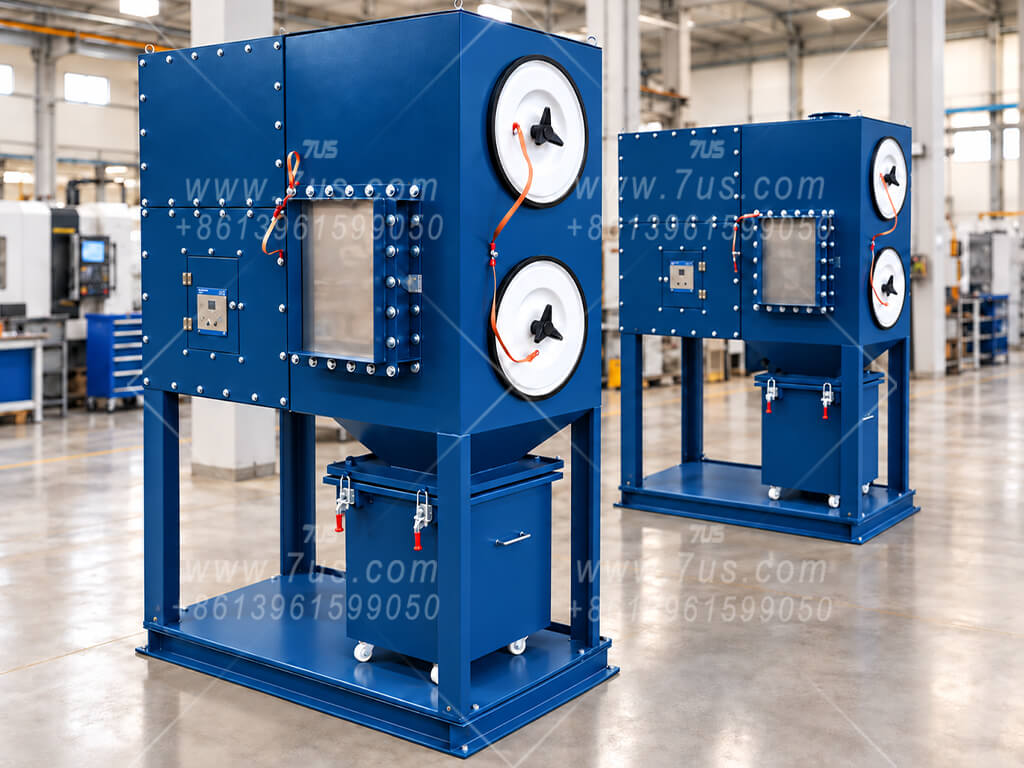
Compact cartridge dust collection with an application-specific explosion protection package. Fan arrangement and protection components are confirmed with the project specification.
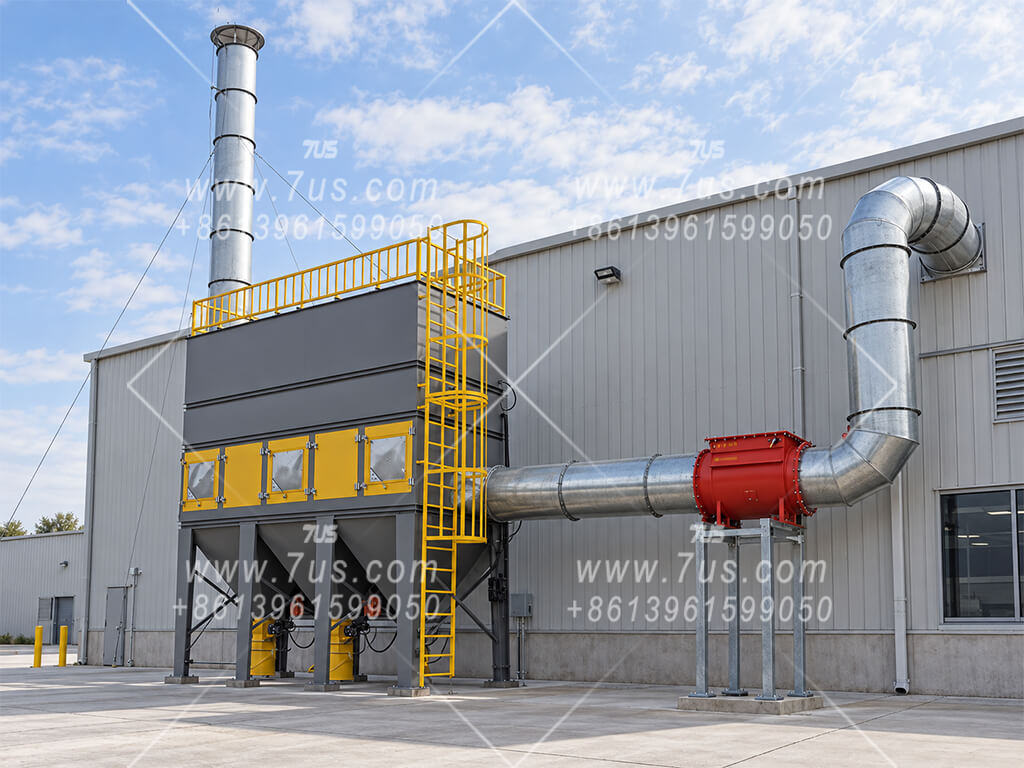
Vertical Cartridge Dust Collector: Antistatic Filters and Fire-Water Sprinklers
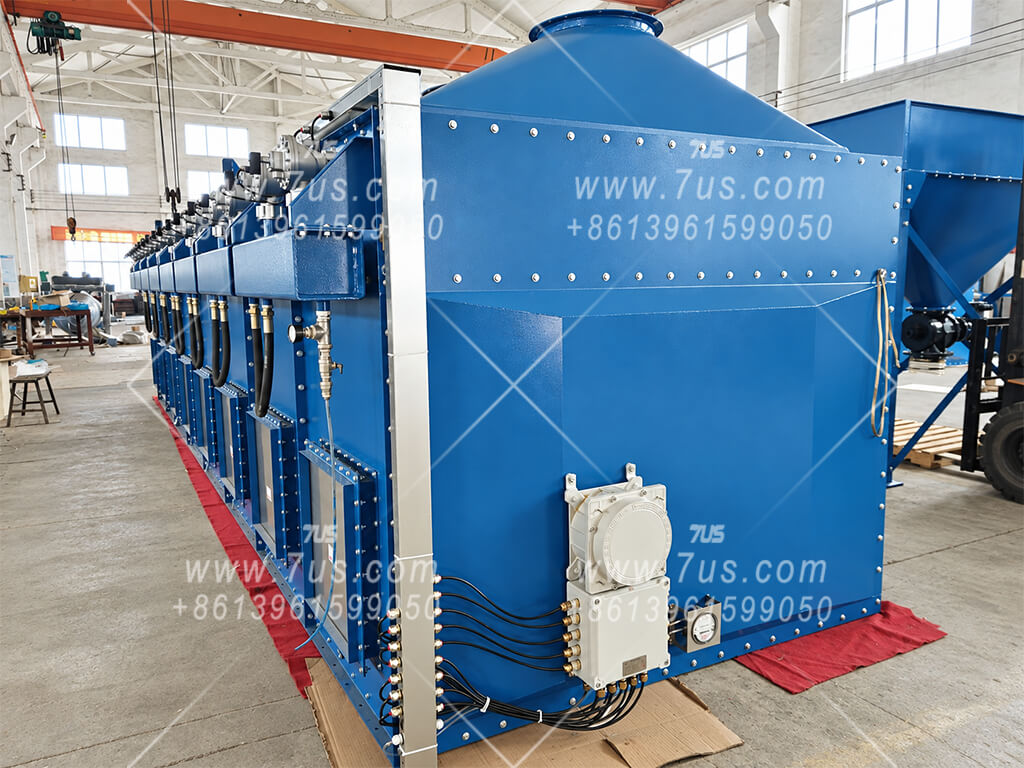
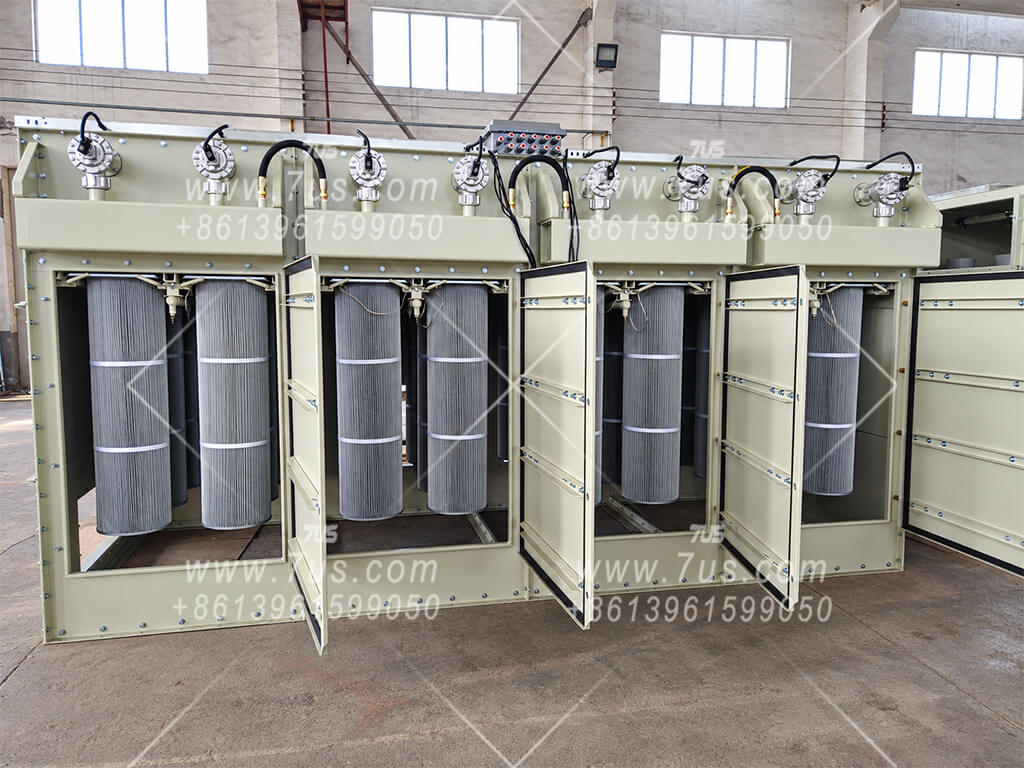
Antistatic filter cartridges, conductive bonding straps and an internal sprinkler system connected to the site fire-water supply. This sprinkler arrangement is for fire protection; explosion protection is specified separately.
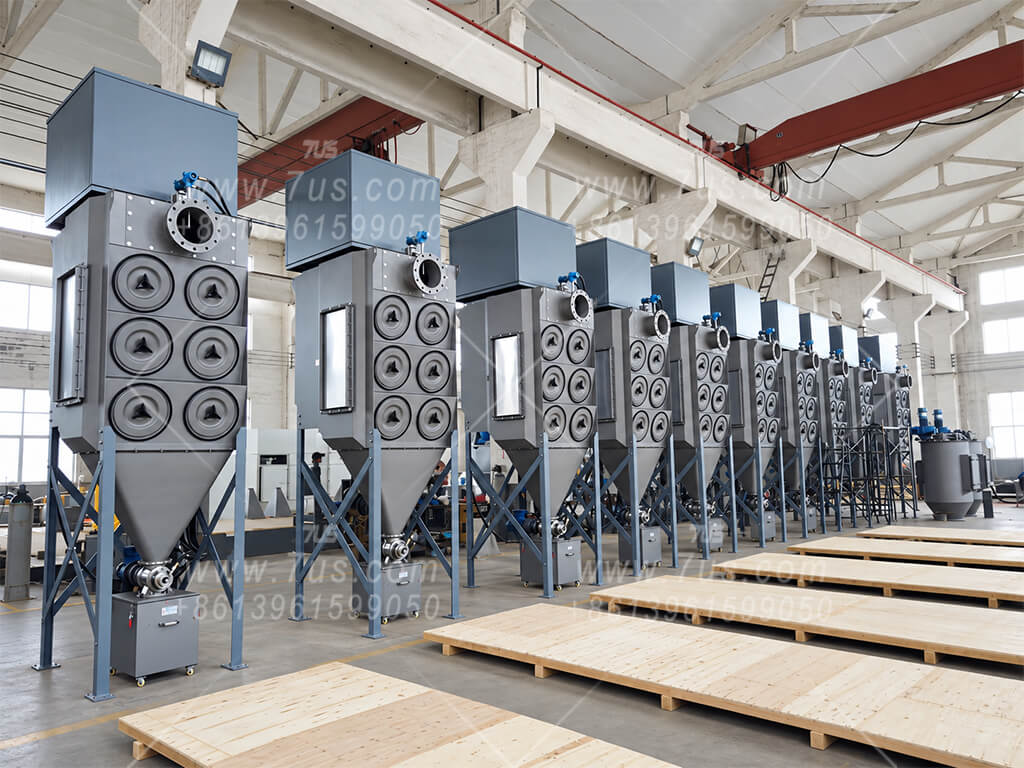
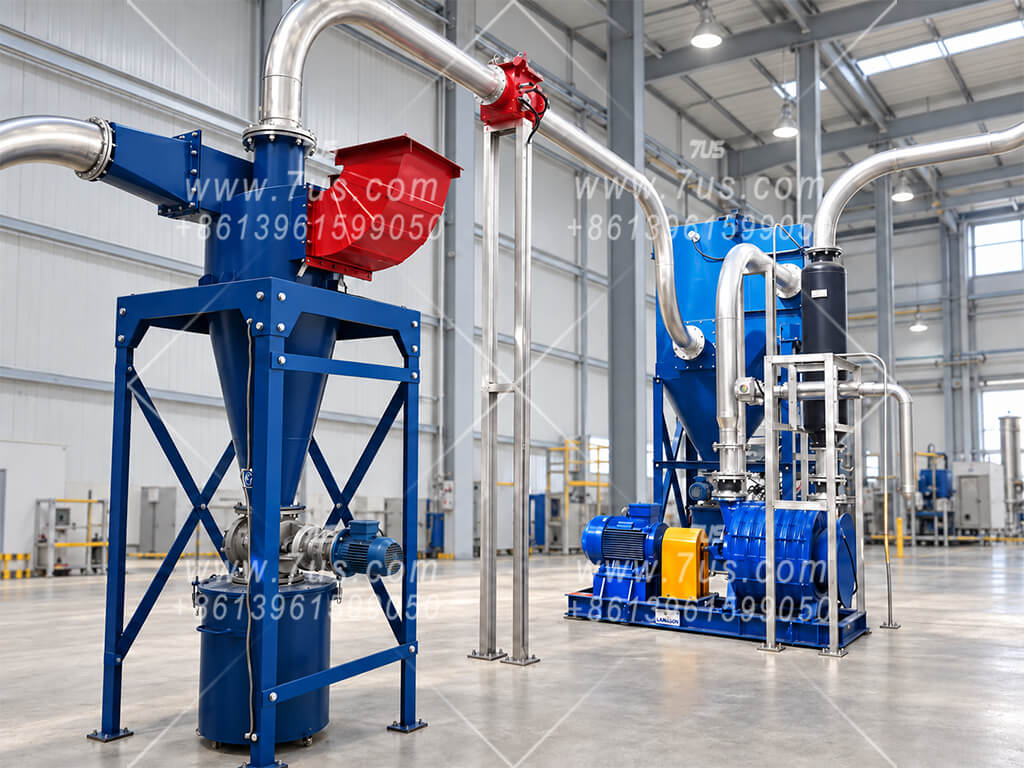
Installed vertical cartridge dust collector with extraction ductwork and associated equipment. The duct layout and protection devices are configured for the project.
Explore the base designs and working principles
These linked pages describe standard dust collectors. Explosion protection is specified separately for your project.
Baghouse Dust Collectors with Explosion Protection
Round-bag and flat-bag designs offer alternative filter layouts. Filter media, cleaning arrangement and discharge equipment are selected for the dust and operating conditions.
Round-Bag Dust Collector with Explosion Protection
A round-bag collector configuration with project-specific protection equipment. Hopper, discharge and access arrangements are matched to the installation.
A flat-bag collector configuration combining the base filtration design with the specified static control, electrical and explosion protection measures.
Explore the base designs and working principles
These linked pages describe standard dust collectors. Explosion protection is specified separately for your project.
Wet Dust Collection for Combustible Metal Applications
Wet collection can be an option for suitable aluminum and other combustible metal processes. Dust–water compatibility, hydrogen management and sludge handling are part of the configuration.
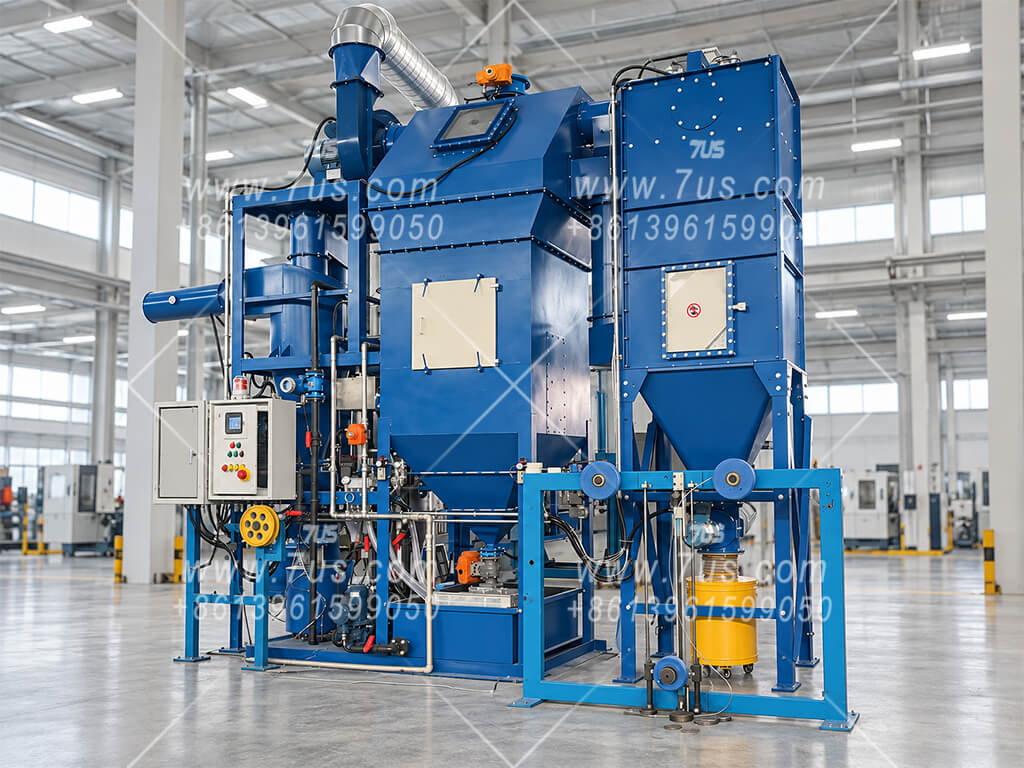
EHWD-D — Wet Dust Collector with Cone-Hopper Sludge Discharge
Cone-hopper discharge provides a defined outlet for settled sludge. Discharge frequency and downstream collection are selected around the solids load and material properties.
EHWD-C — Wet Dust Collector with a Chain-Driven Sludge Scraper
A chain-driven scraper with flights removes settled sludge from the collection tank. The aluminum products visible in this installation show the actual application setting.
Water, hydrogen and sludge management
Available configurations include hydrogen vent valves, water-level monitoring and appropriate operating interlocks. Reactive metal fines can release hydrogen in contact with water: vent arrangements must address operation and shutdown. Regular sludge removal and a suitable waste-handling plan remain necessary.
We tailor the wet dust collection system to your specific alloy, process residues and compatibility with water, with coordinated water-level control, hydrogen venting and sludge removal.
Explore the base designs and working principles
These linked pages describe standard dust collectors. Explosion protection is specified separately for your project.
These are available configuration options, not a checklist of devices that must all be installed. Selection follows applicable local regulations, project requirements and the dust hazard assessment. The agreed equipment list and drawings define the supplied scope.
01
Collector body & filter system
Explosion vent panels or suitable flameless venting devices; antistatic filter media; bonding and grounding; temperature monitoring; compatible fire-protection arrangements. Vent sizing and enclosure strength must be matched.
02
Ductwork & connected equipment
Suitable explosion isolation devices help limit propagation through connecting ducts. Spark detection and extinguishing can address incoming ignition sources. These perform different functions and are selected separately.
03
Fan, motor & electrical controls
Fan construction, motor, pulse valves, controllers and instruments are selected for the relevant dust and hazardous-area requirements. An aluminum impeller by itself is not proof of an explosion-protected fan.
04
Wet collector provisions
Material-compatible wetted construction, water-level monitoring, sludge removal and hydrogen venting provisions are coordinated with the process and shutdown conditions.
Different functions, coordinated protection
Ignition prevention addresses sources such as static discharge and incoming sparks. Explosion venting relieves explosion pressure into a planned discharge area. Explosion isolation limits propagation through connected equipment. Flameless venting still requires suitable clearances and application-specific selection.
Ordinary rotary discharge valves and HEPA filters should not be treated as explosion isolation devices. Indoor installation and return air require a specific system design.
Related equipment: spark control and filter precoat
Passive spark arrestors and precoat powder feeders may be useful for suitable processes. Neither replaces the required explosion protection package; powder compatibility and purpose must be confirmed.
Send the information you already have. We can identify the missing inputs needed to define the collector and protection scope; there is no universal explosion-protection package based on airflow alone.
Selection input
What to provide
Dust & process
Material or alloy, process description, particle size, moisture, temperature, and any oil or other contaminants.
Dust test data
Available Kst, Pmax and ignition-sensitivity data for a representative sample, plus the site dust hazard assessment where available.
Air duty
Required airflow, dust loading, capture points, operating hours and available pressure or duct layout.
Installation
Indoor or outdoor location, nearby occupied areas, vent discharge space, duct routing and air discharge or return-air requirements.
Utilities & project requirements
Power supply, compressed air, water for wet systems, hazardous-area classification and required component documentation.
Kst describes dust explosion severity; Pmax is maximum explosion pressure in a standard test. They are dust properties, not a universal collector rating. Final design also depends on enclosure strength, venting and the installation.
OEM supply and project documentation
Private-label supply, custom colors and project-specific arrangements are available. Component certifications can be specified where applicable. ATEX/IECEx certification of individual components does not certify the complete collector or installed system; whole-system ATEX certification is not included in our supply offer.
06 / EXPLOSION PROTECTION
Frequently Asked Questions
Practical answers about the base collector and its protection configuration.
What is an explosion-proof dust collector?
The term is commonly used for a dust collector configured for combustible dust. Our designs use conventional collector platforms with selected explosion protection equipment and the necessary structural, electrical and control provisions. The term does not mean that an explosion is impossible.
Are the collectors on the linked product pages explosion-protected?
Those pages explain standard base designs and working principles. Explosion protection is specified separately; the standard equipment shown should not be assumed to include it.
Is an antistatic cartridge enough?
No. It forms part of static control when correctly bonded and grounded. Other ignition sources, explosion pressure relief and propagation through ductwork must also be addressed as required by the application.
Can a wet collector be used for aluminum dust?
It can be an option for suitable aluminum processes, subject to the actual alloy, residues and water compatibility. Water-level control, hydrogen venting and sludge removal are important parts of the system.
Can an existing collector be upgraded?
Sometimes, but suitability depends on the existing enclosure, filter system, ductwork, space and controls. Send drawings and photographs so the required changes can be reviewed before a retrofit scope is proposed.
Configure the collector around your process
Send your dust material, required airflow, installation photos and available test data. We will discuss the base collector, protection options and supply scope.