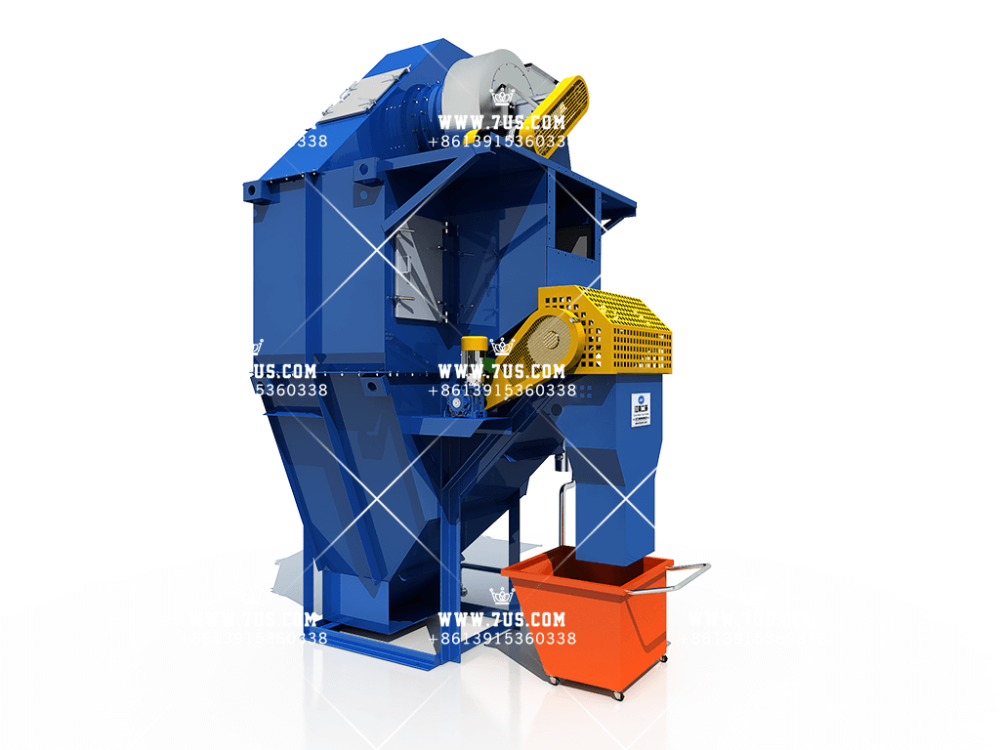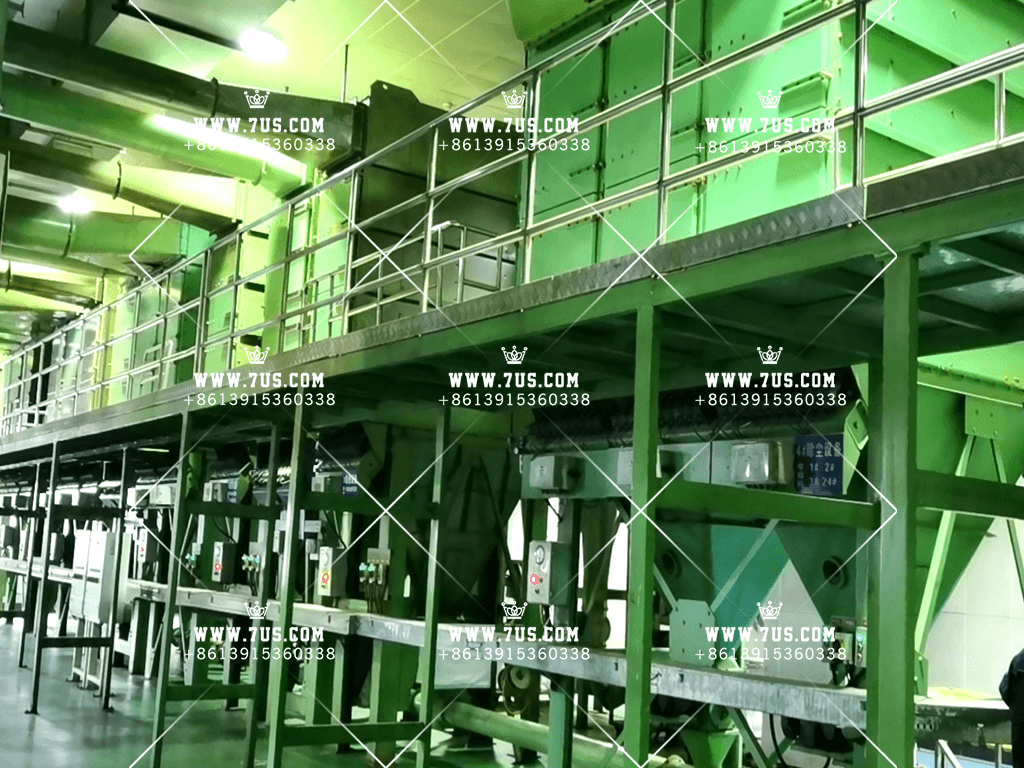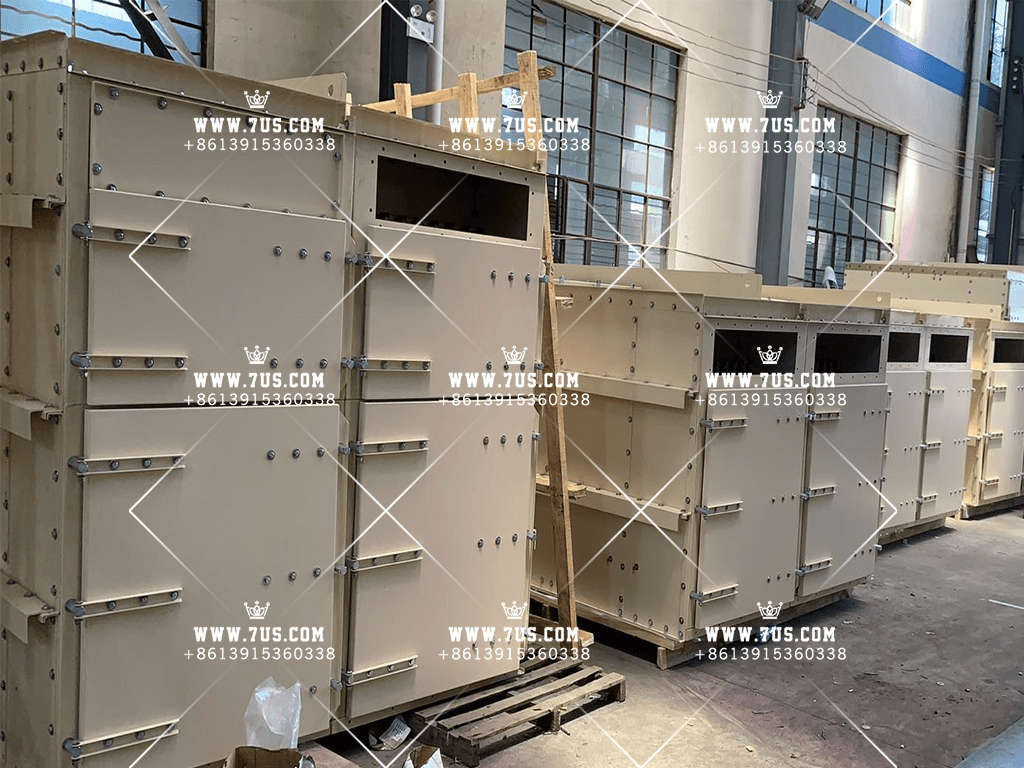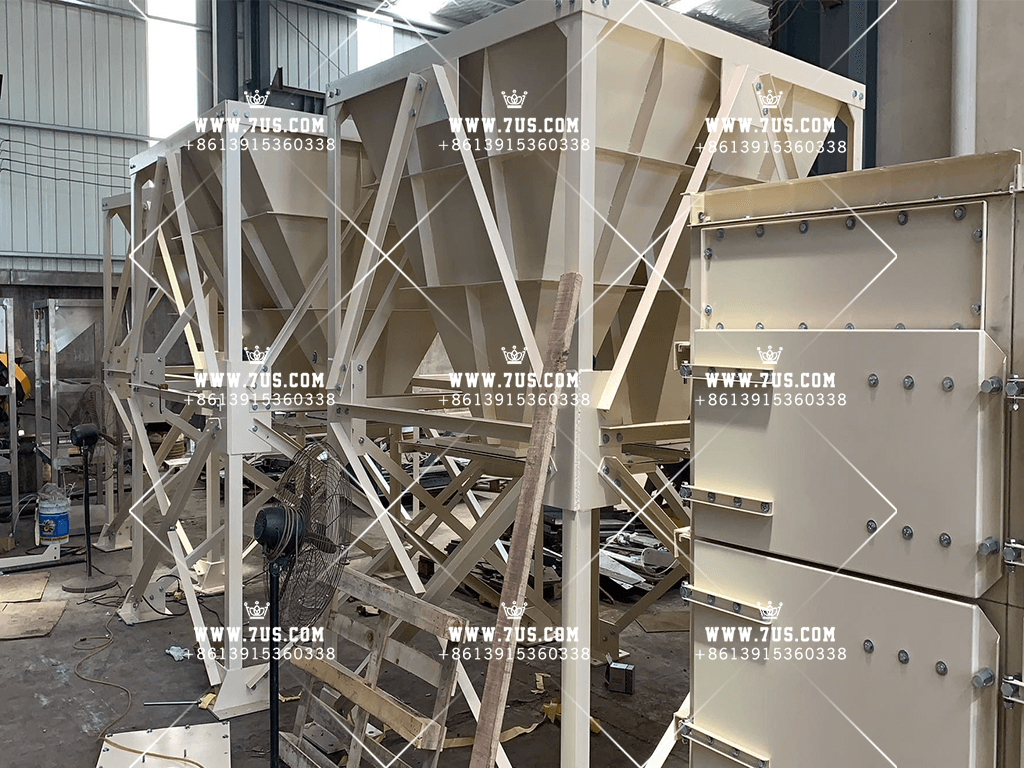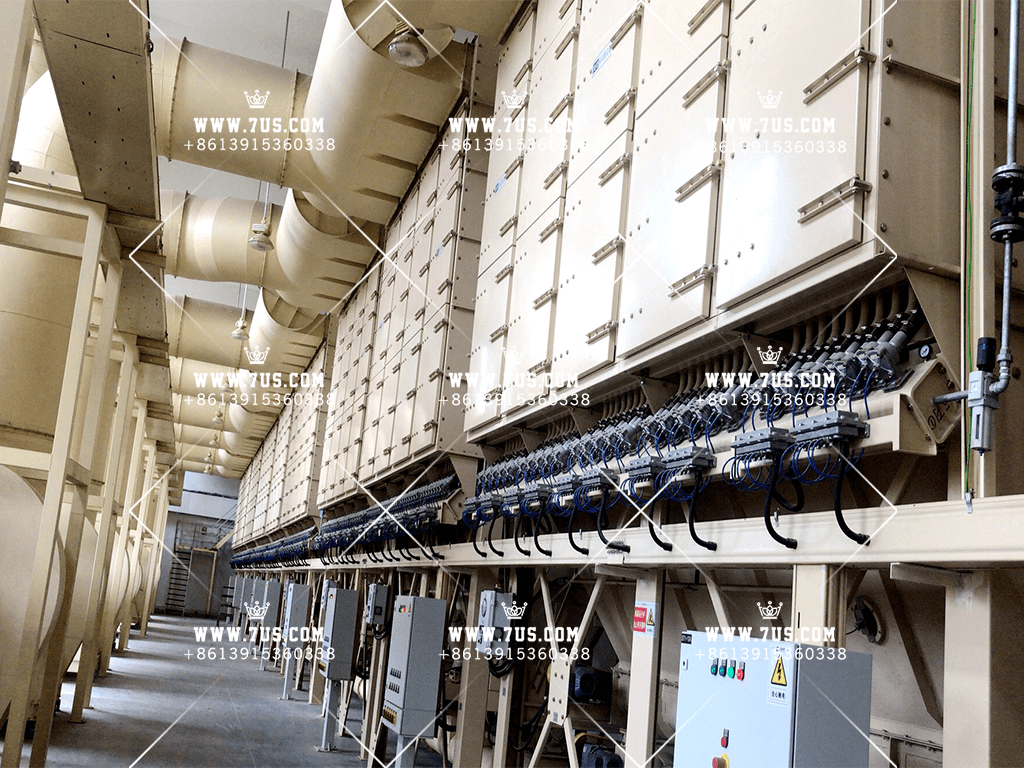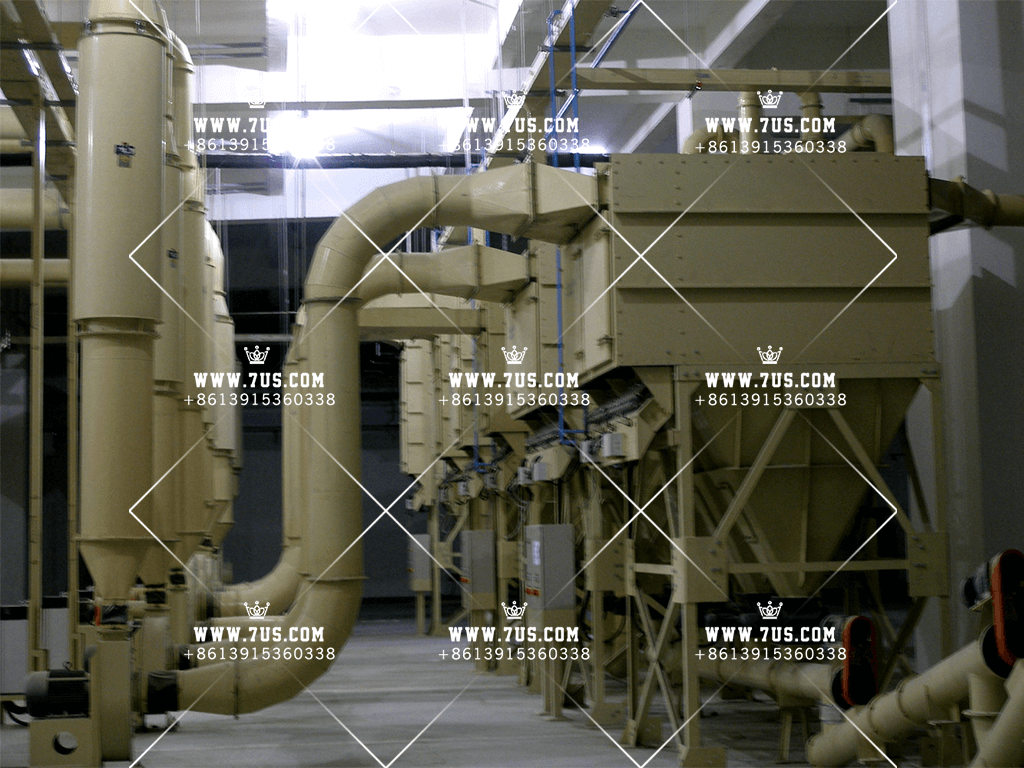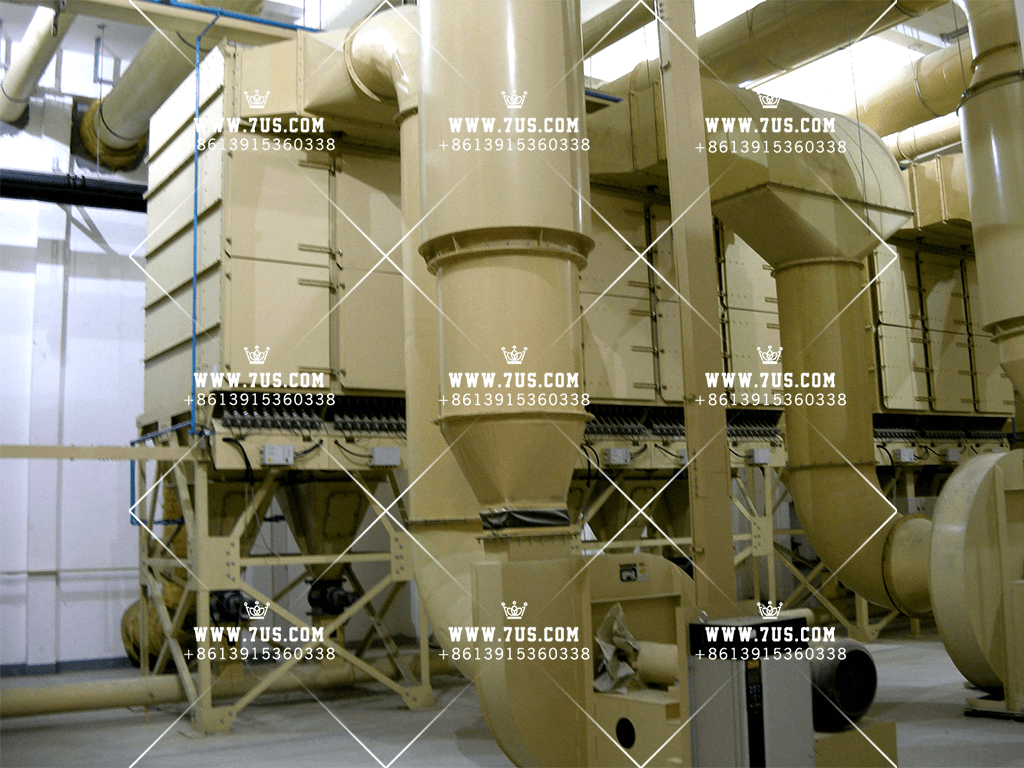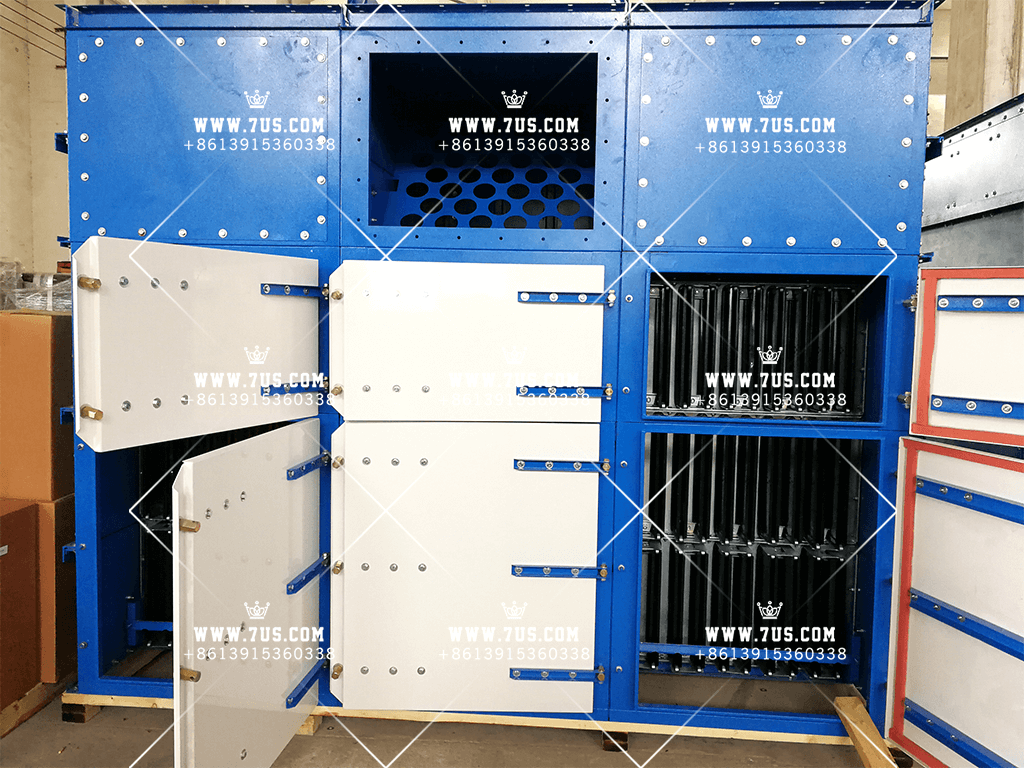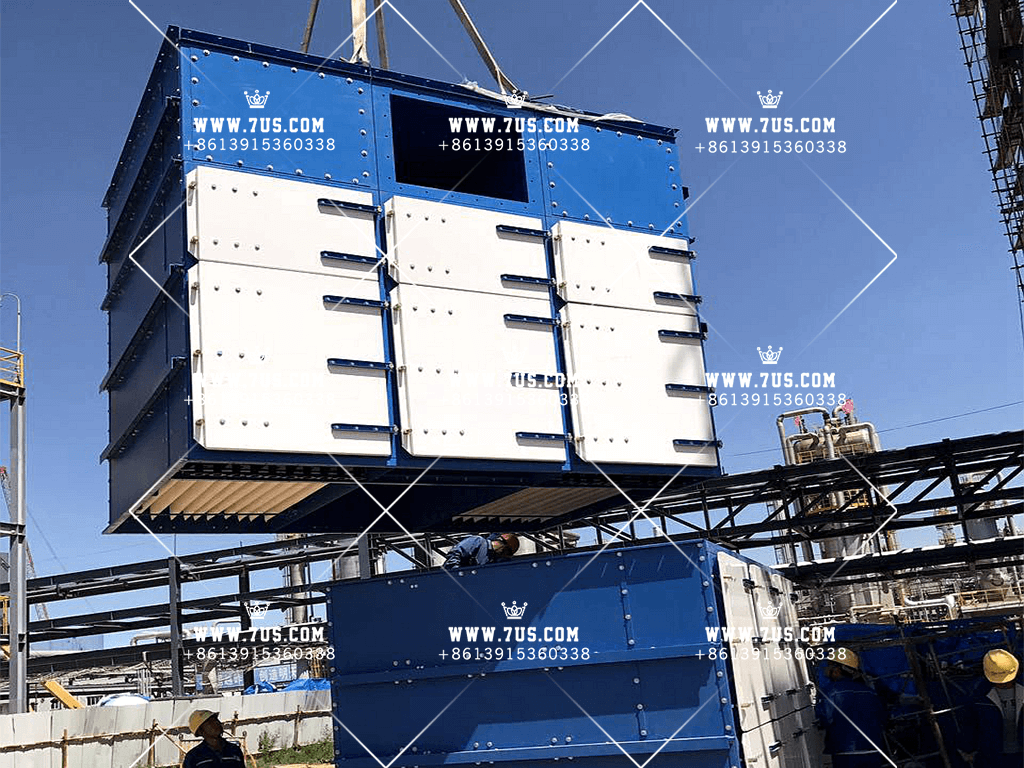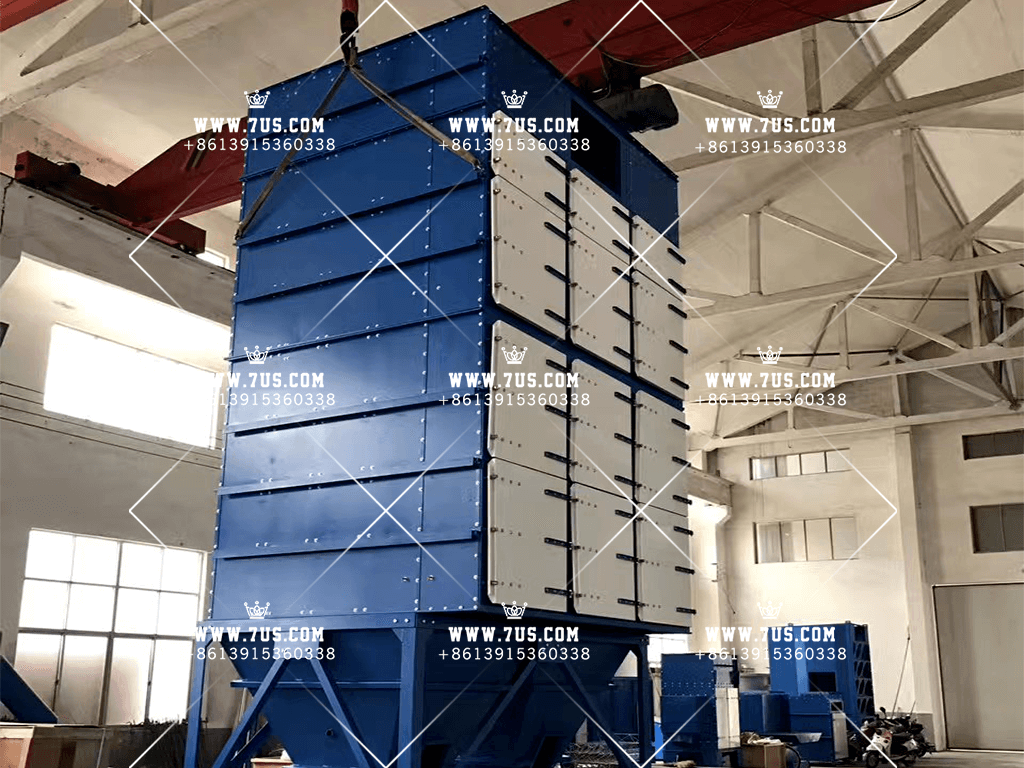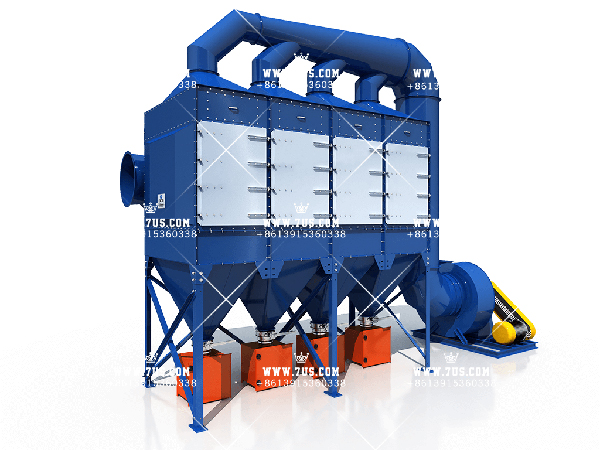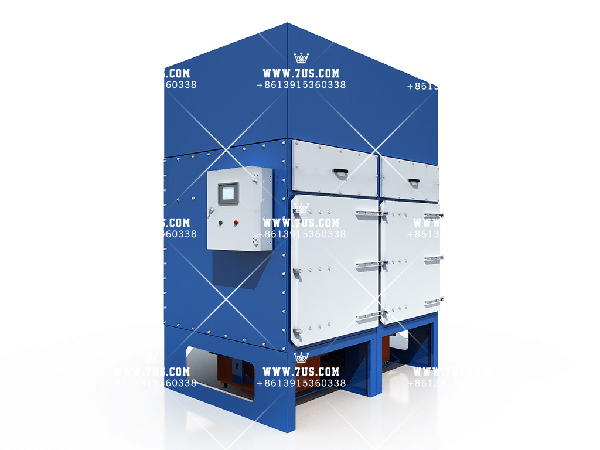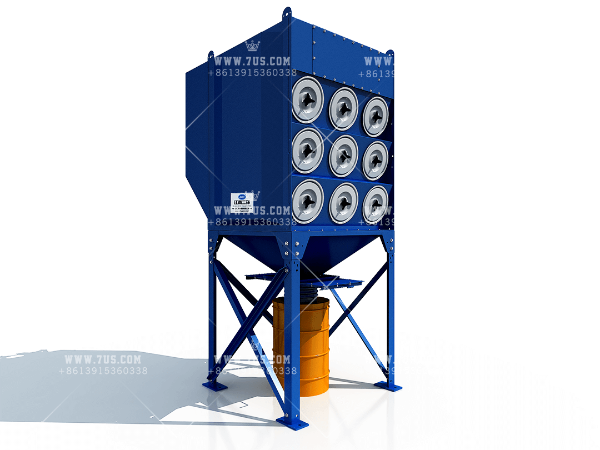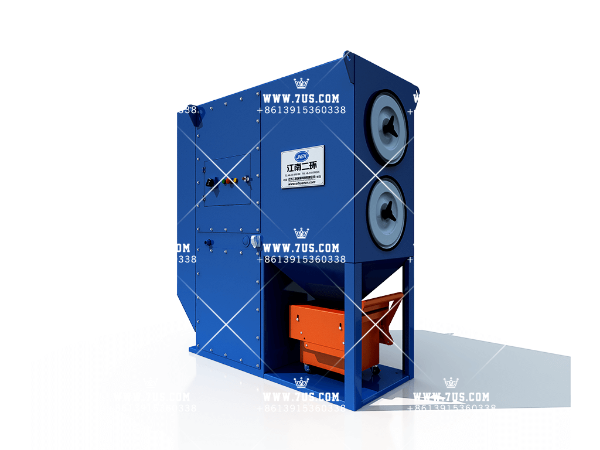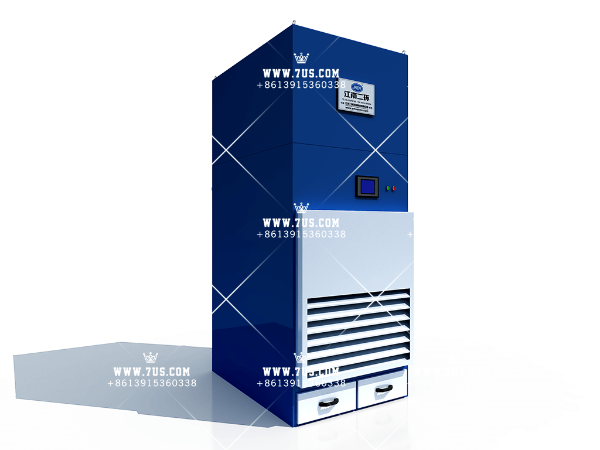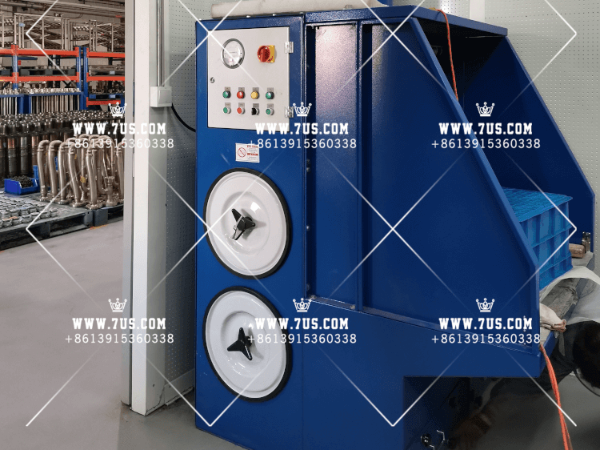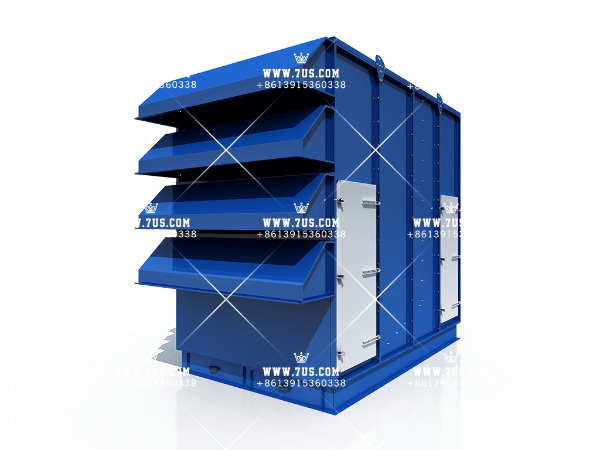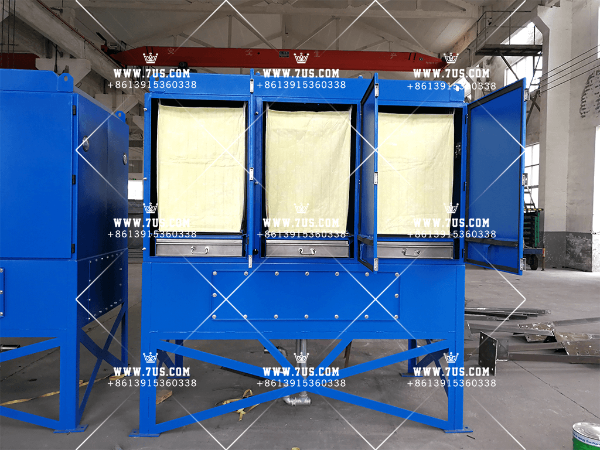

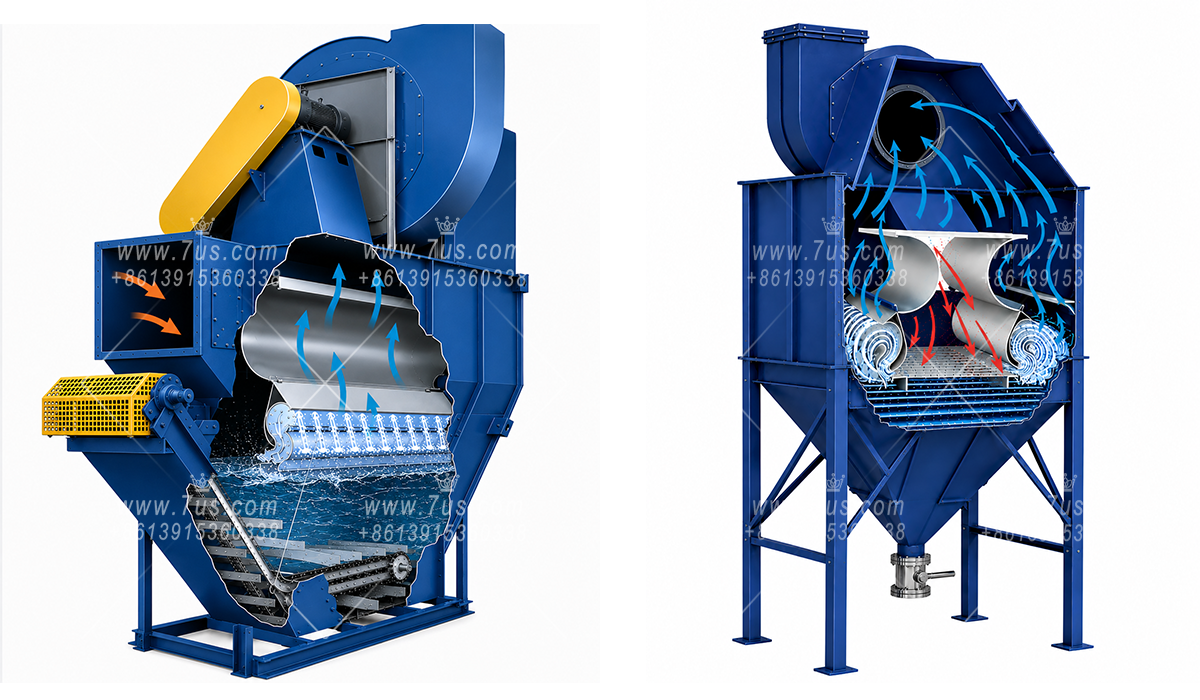
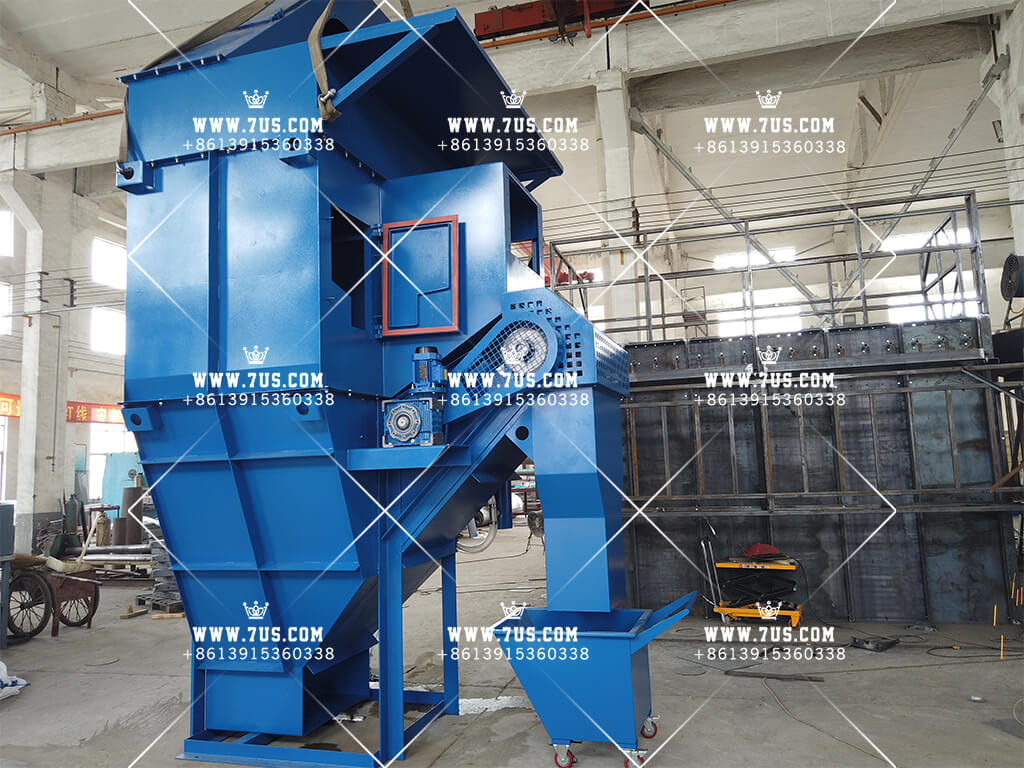
1. High-airflow self-induced wet dust collector integrating the centrifugal fan and wet collection chamber into one system.
2. Uses turbulent water washing and dynamic particle settlement to capture dust in the circulating liquid.
3. Internal water circulation helps reduce fresh-water consumption during continuous industrial operation.
4. Designed for larger airflow requirements with stable operation and consistent air handling performance.
5. The self-induced wet collection process does not require conventional dry filter cartridges or filter bags.
6. Collected particulate is transferred into the water and discharged as sludge for subsequent handling.
Designed for medium and large airflow industrial dust collection applications requiring wet filtration.
Self-induced turbulent water washing transfers airborne particulate into the circulating water without conventional dry filter cartridges or filter bags.
Integrated airflow and wet separation design provides continuous operation for larger industrial dust loads.
Internal water circulation helps reduce fresh-water consumption during normal operation.
No separate spray pump or spray nozzles are required for the self-induced washing process.
Self-Induced Wet Dust Collector
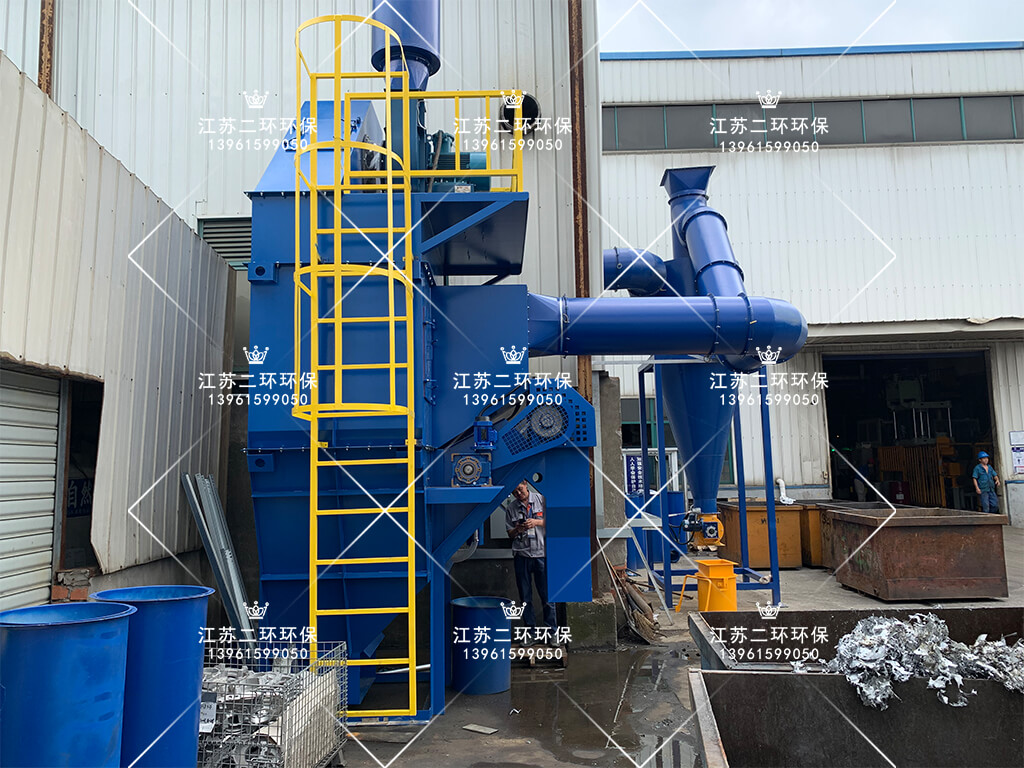
Industrial Wet Dust Collector
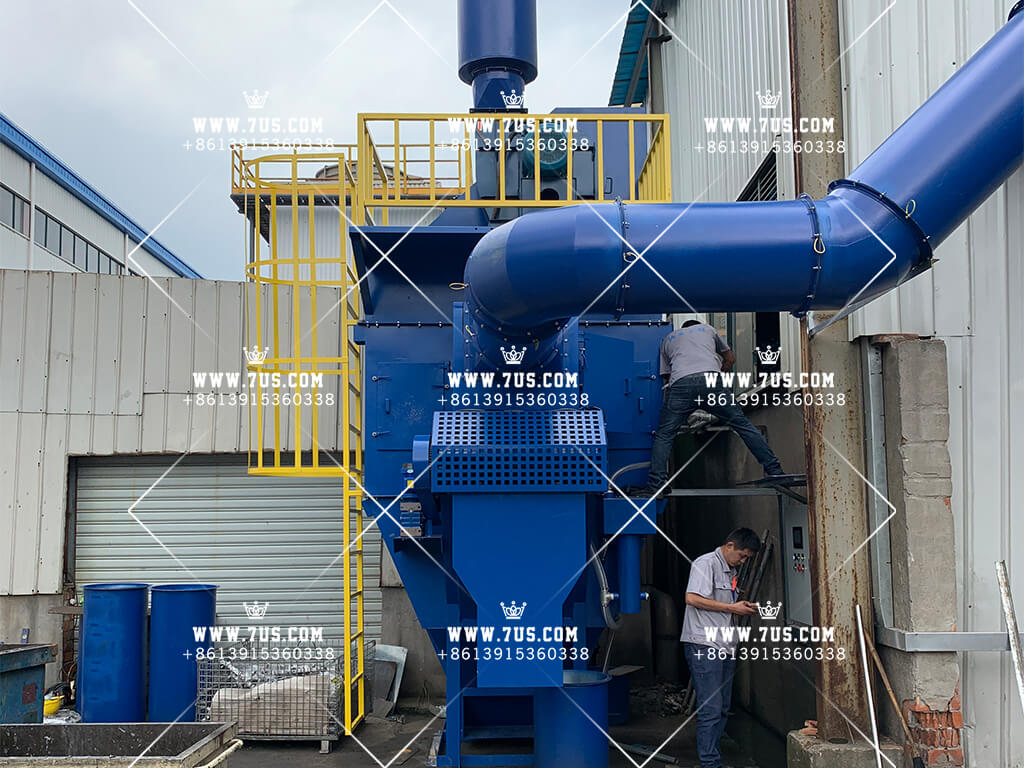
High Airflow Wet Dust Collector
Self-Induced Wet Collection System
Large Capacity Wet Dust Collector
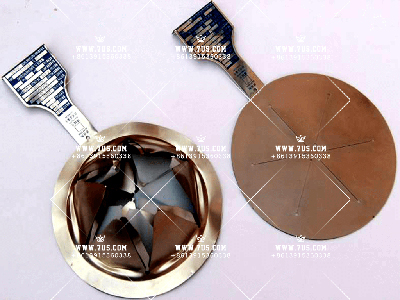
Explosion Venting Panel
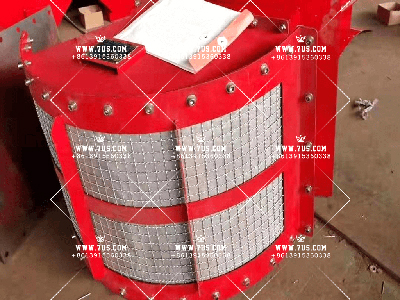
Flameless Venting Device
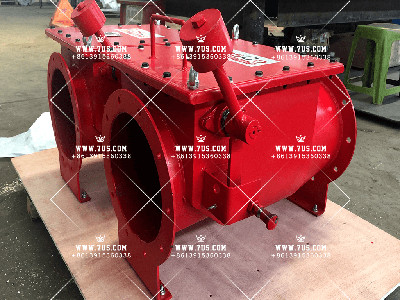
Explosion Isolation Valve
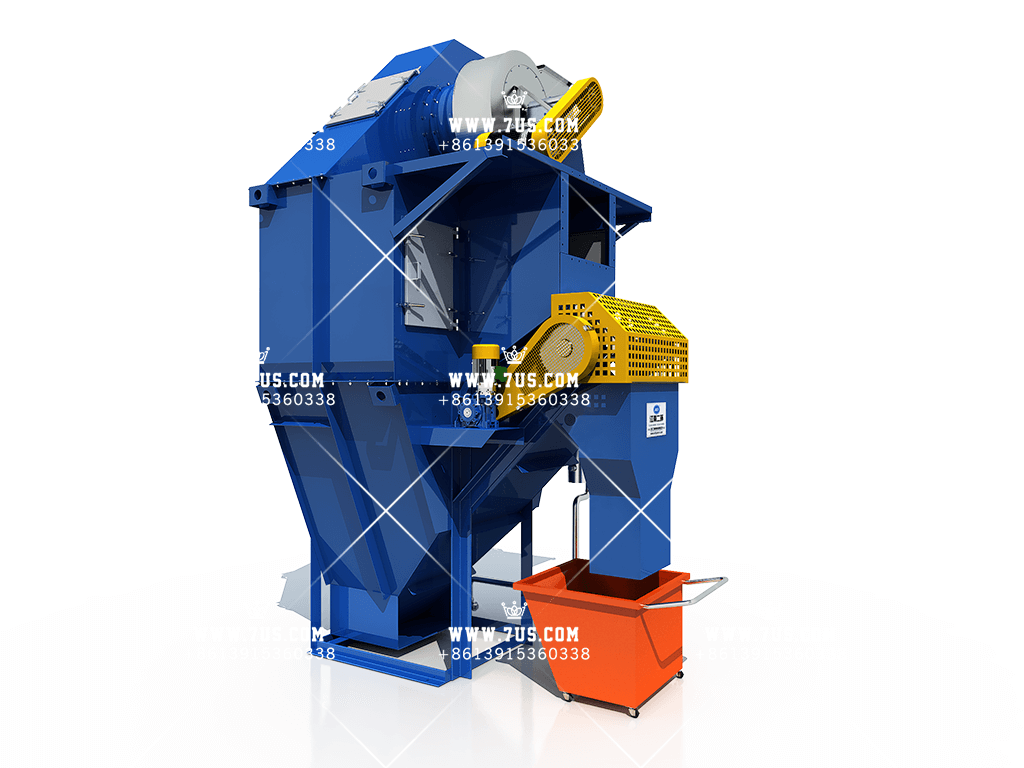
Designed for substantially higher airflow capacities than the compact EHWD-S series.
Self-induced water washing requires no separate spray pump, no spray nozzles and no conventional dry filter media.
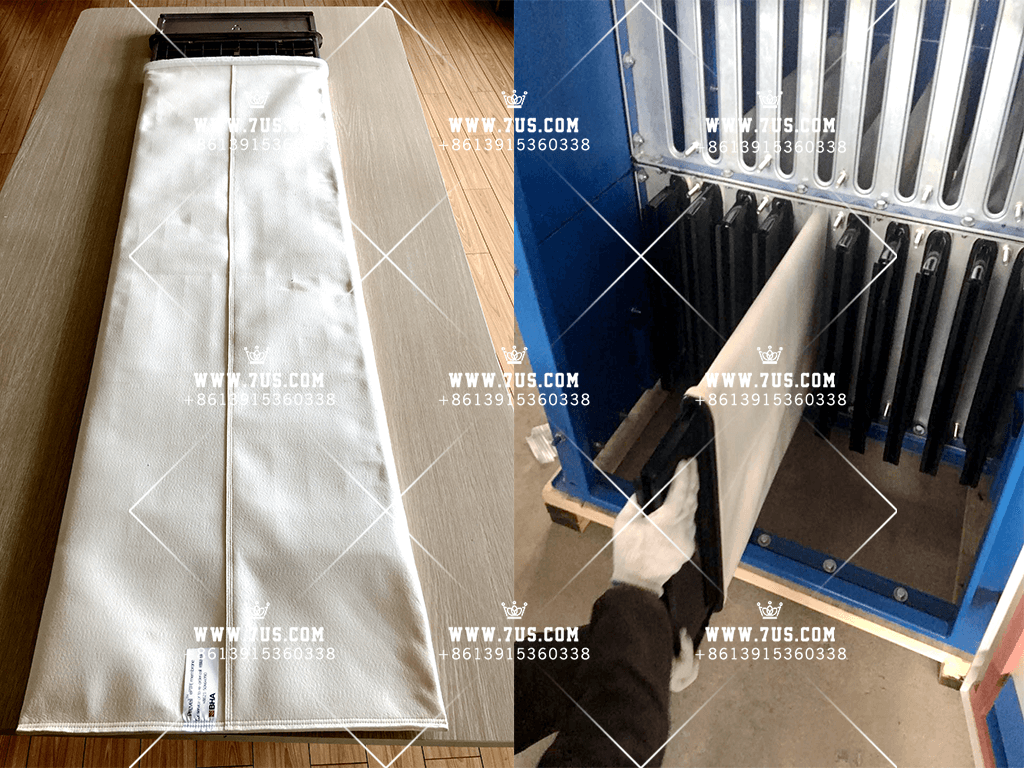
Wet collection avoids routine replacement of filter cartridges or filter bags and reduces filter-media clogging concerns.
Internal circulating water captures particulate and transfers collected material into the water for subsequent sludge removal.
Available models cover airflow capacities from approximately 4,250 to 61,200 m³/h for different industrial requirements.
Wet collection can be evaluated for selected humid, oil-containing or combustible dust applications where conventional dry filtration may not be appropriate.
Final equipment selection should be based on airflow, dust characteristics, temperature, moisture or oil content and applicable safety requirements.
OEM configurations and customized connection arrangements are available according to project requirements.
| Item No. | Model | Air Volume | Model | Air Volume | Model | Air Volume |
| EHWD Series | m³/h | EHWD Series | m³/h | EHWD Series | m³/h | |
| 1 | EHWD-2/5 | 4250 | EHWD-4 | 6800 | EHWD-6 | 10200 |
| 2 | EHWD-8 | 13600 | EHWD-12 | 20400 | EHWD-16 | 27200 |
| 3 | EHWD-20 | 34000 | EHWD-24 | 40000 | EHWD-28 | 47600 |
| 4 | EHWD-32 | 54400 | EHWD-36 | 61200 | - | - |
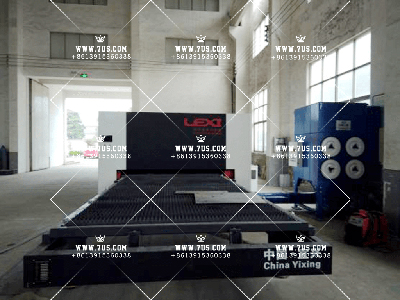
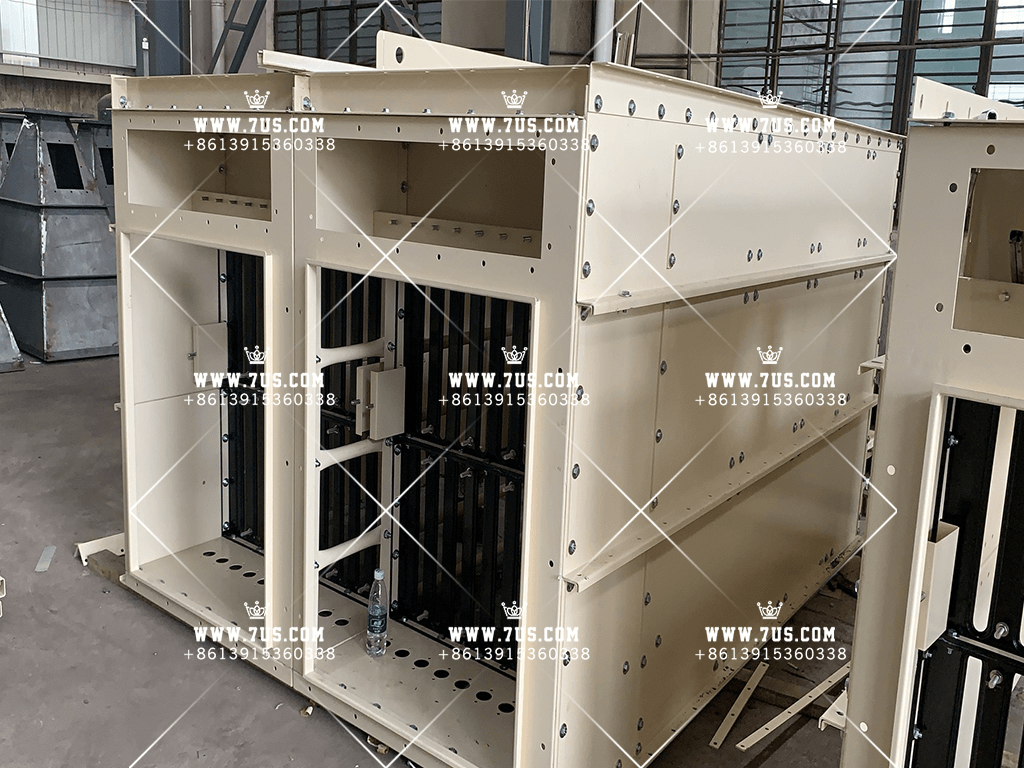
Laser Cutting

CNC Bending
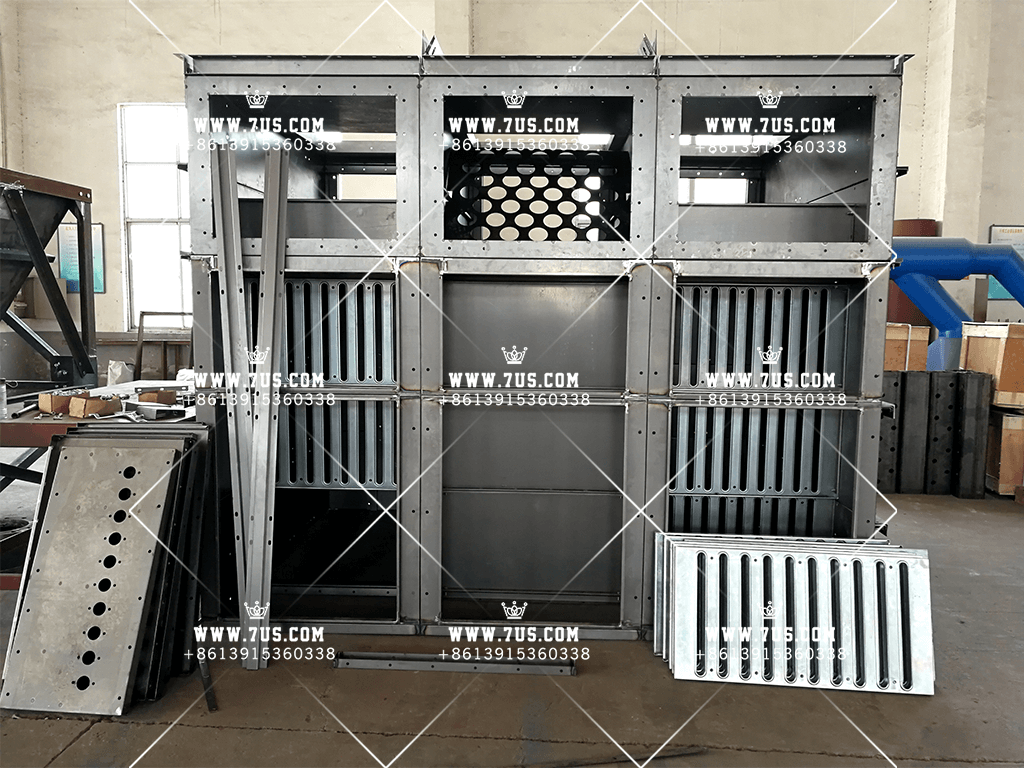
Pre-Assembly Inspection
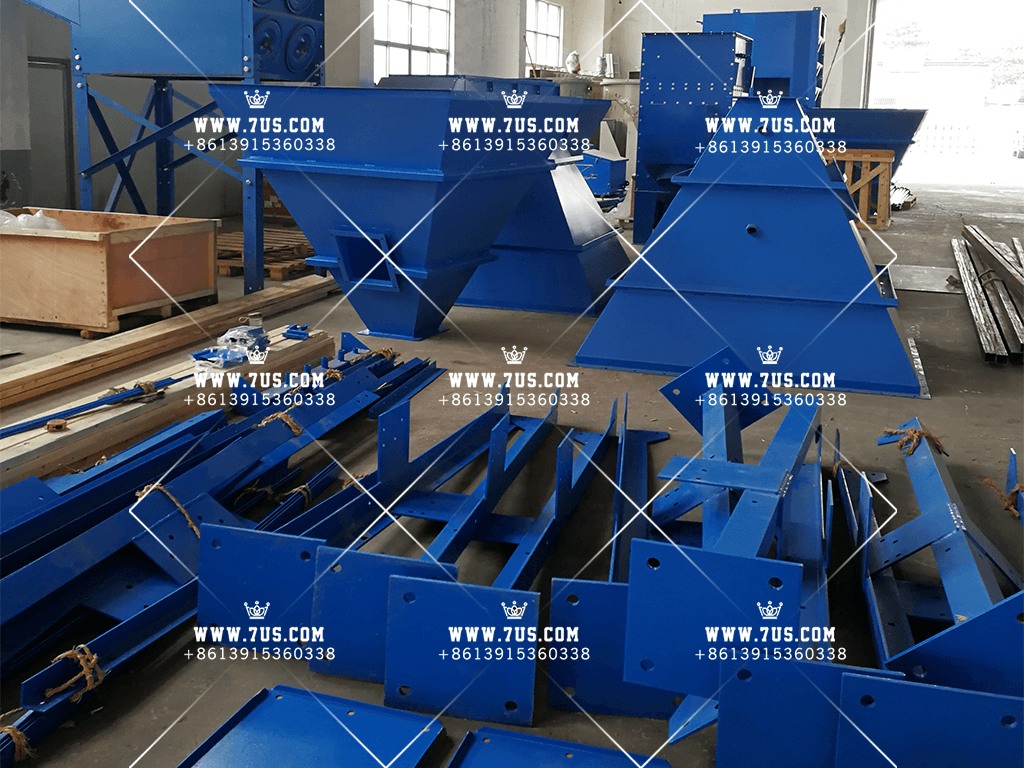
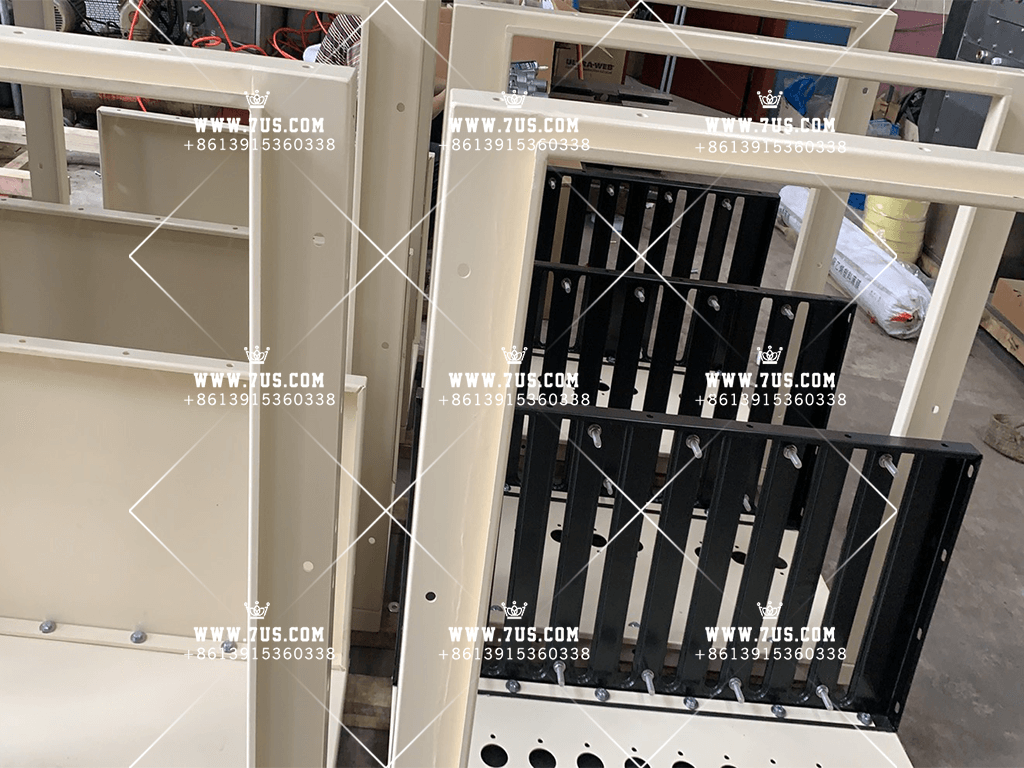
Powder Coating of Components
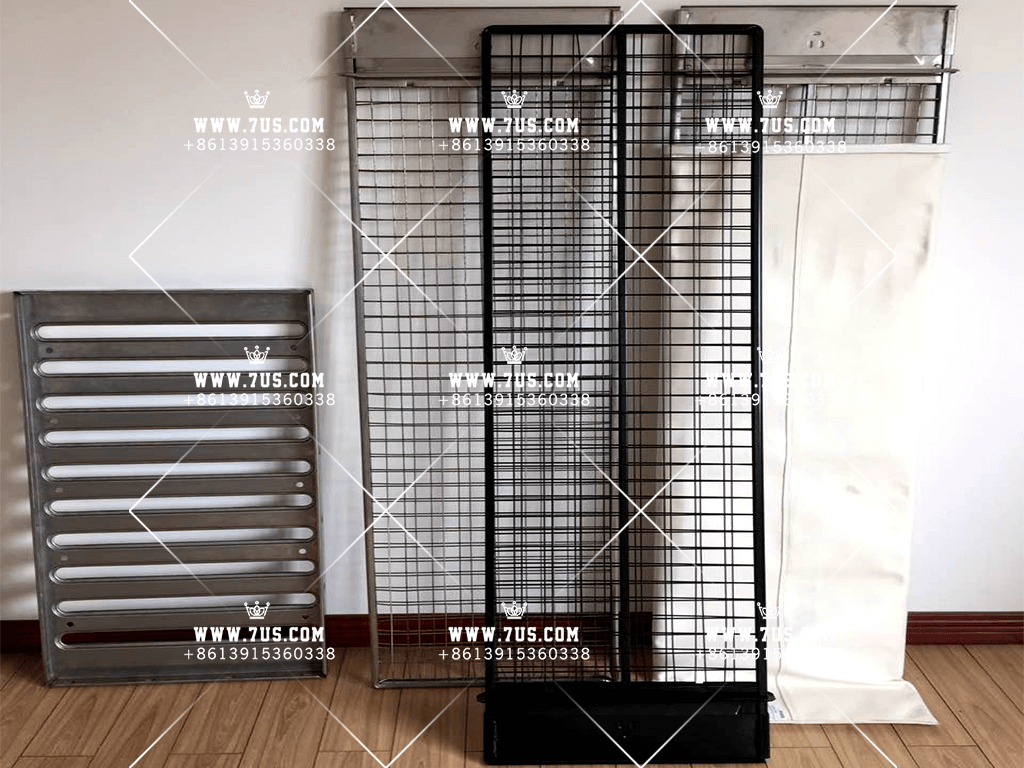
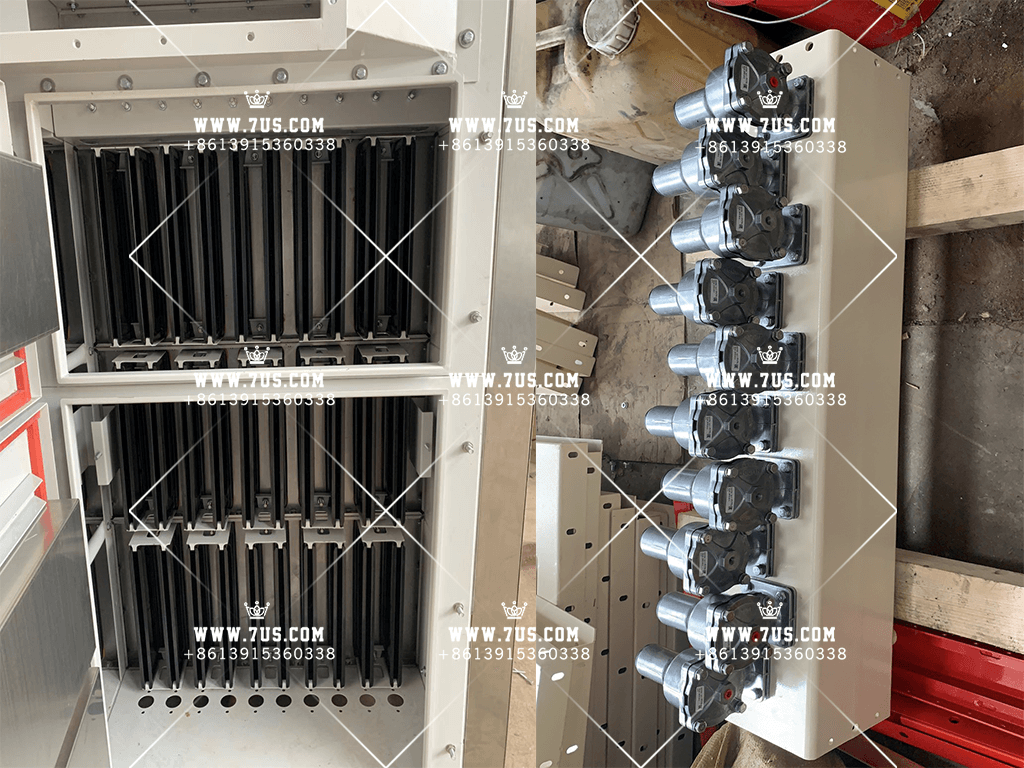
Component Assembly
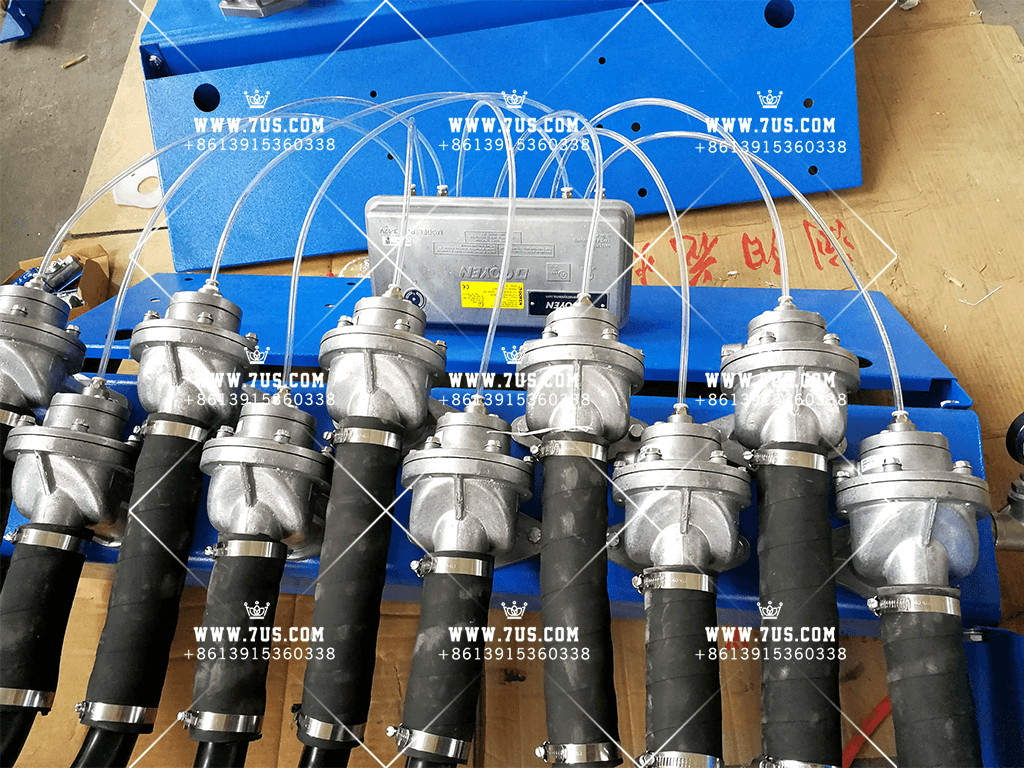
Component Installation
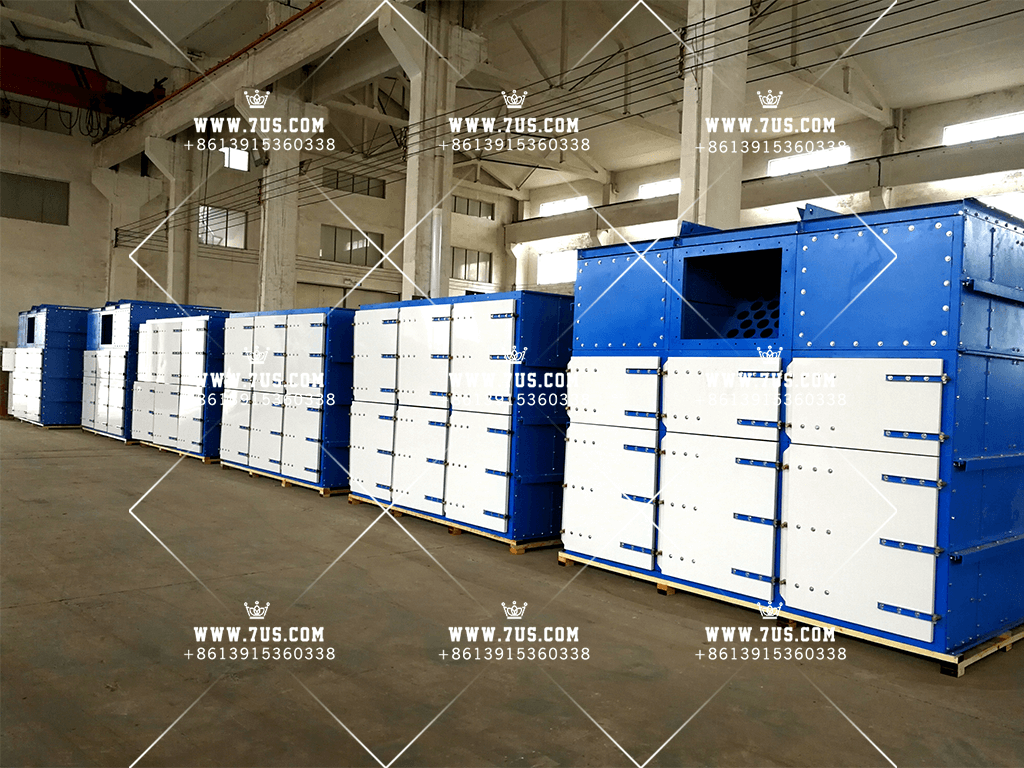
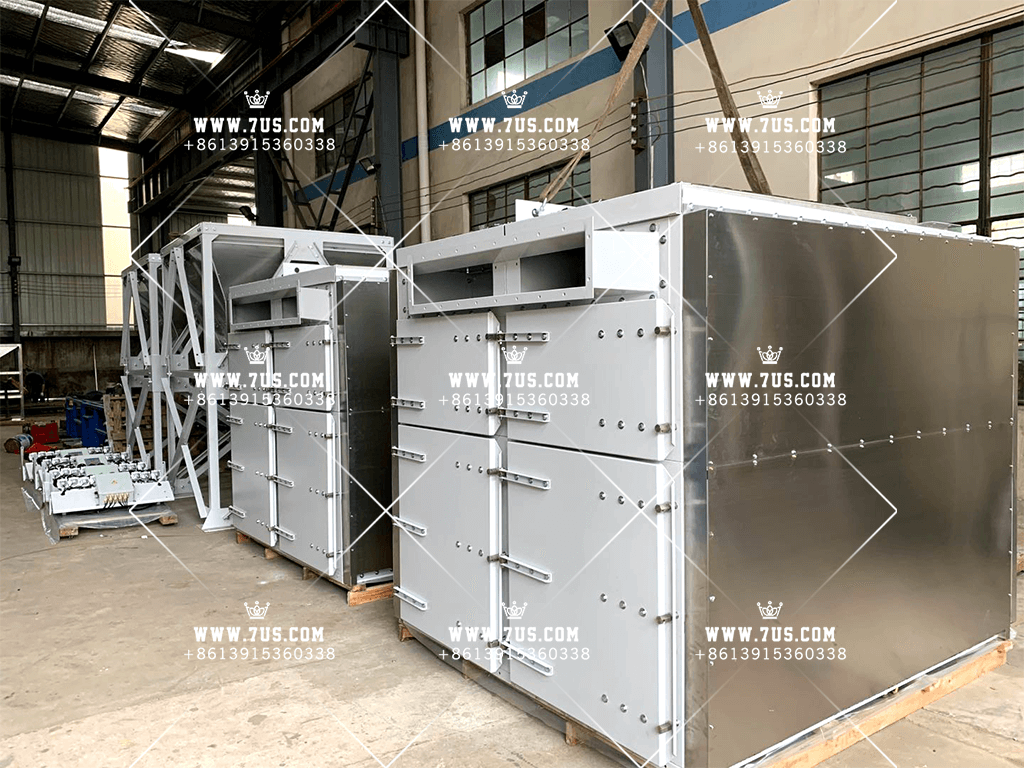
Modular Assembly 1
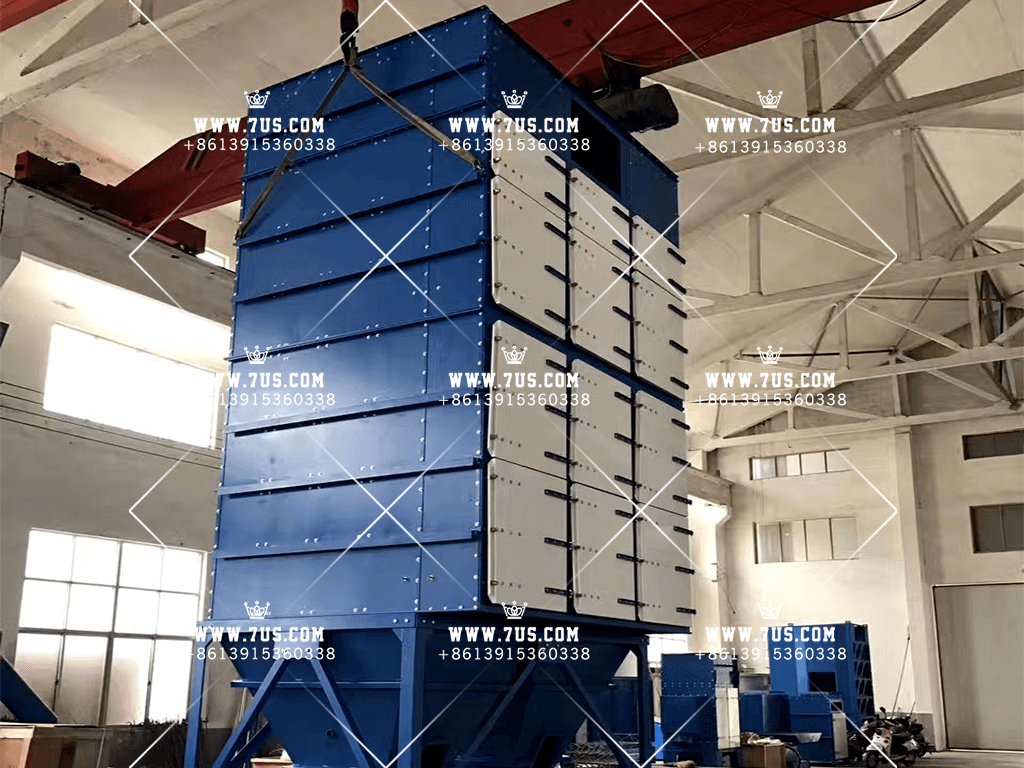
Modular Assembly 2
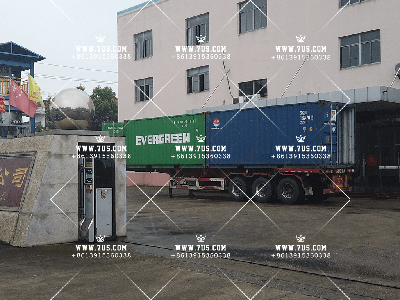
Container Shipping
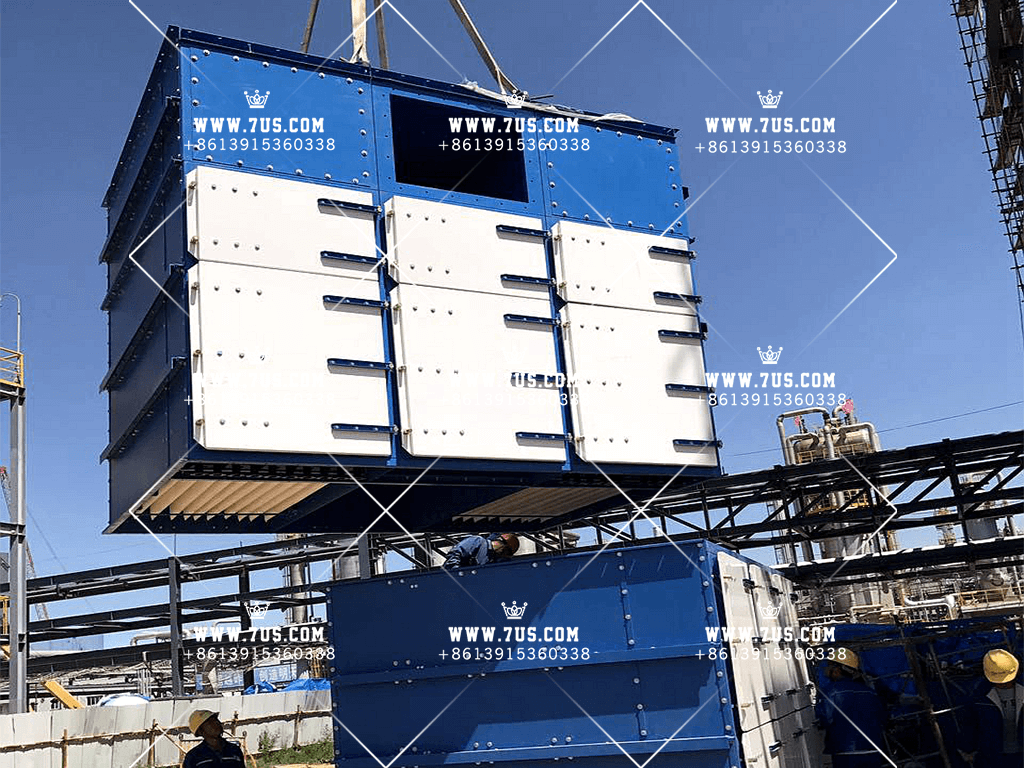
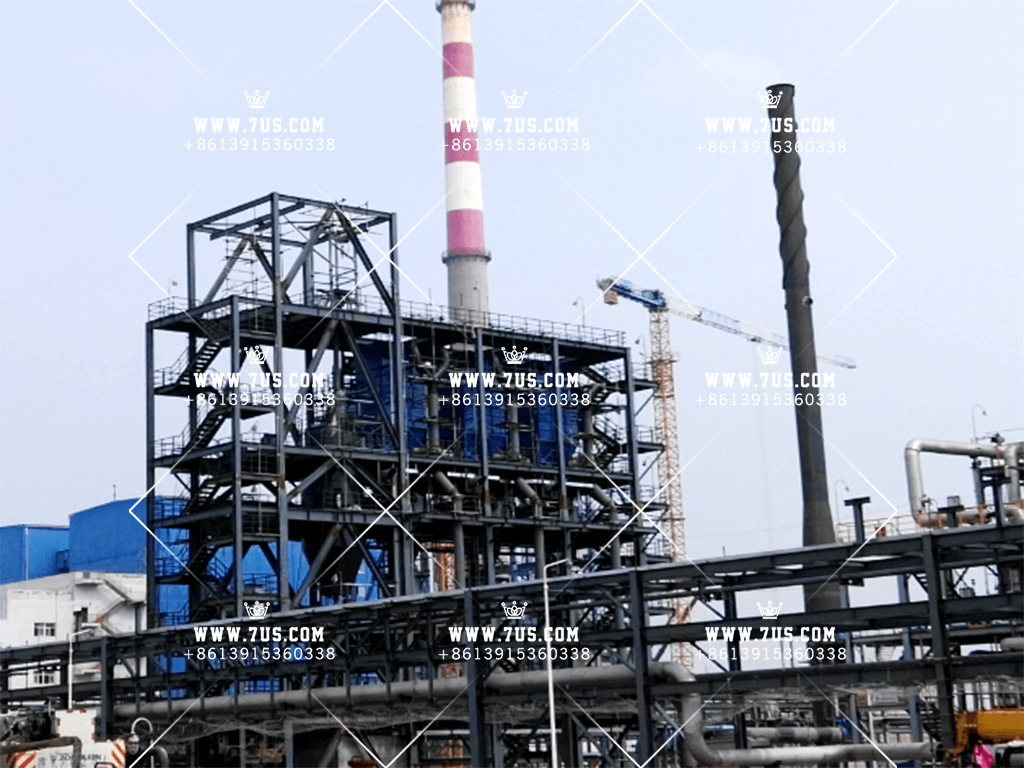
Equipment Installation
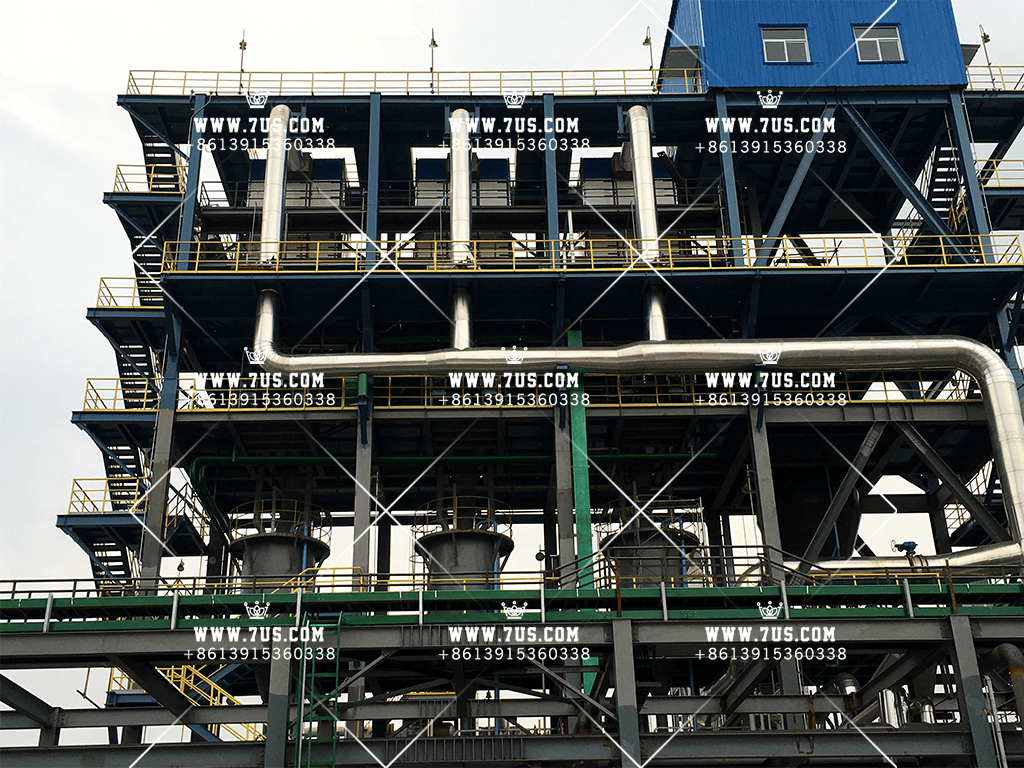
Installation Completed
Overseas Technical Support


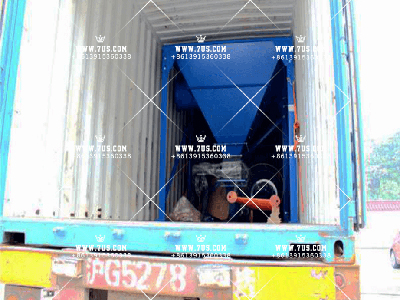
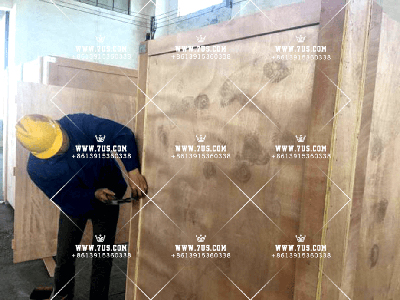
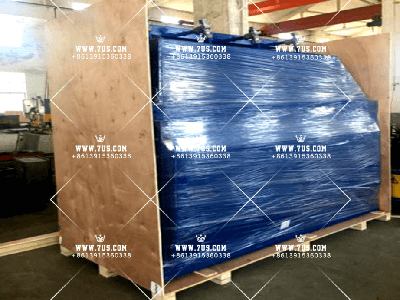
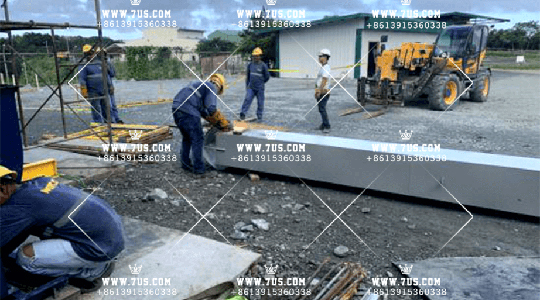
Large-airflow EHWD equipment should be installed according to the confirmed equipment layout, airflow direction, duct connections and site conditions. Connection dimensions and installation requirements can be confirmed before shipment.
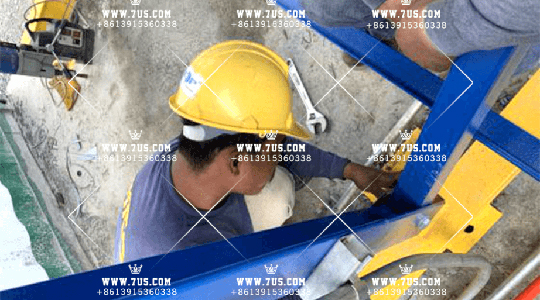
Installation and operation guidance can be provided according to project requirements. Remote technical support is also available when assistance is required during installation or commissioning.
|
Q: What is the main difference between this series and the compact EHWD-S series?
A: This series is designed for medium and large airflow requirements. Available models cover approximately 4,250 to 61,200 m³/h, while the compact EHWD-S series is intended mainly for smaller airflow applications and limited installation space. |
Q: How does the self-induced wet collection process work?
A: Airflow interacts with the internal water to create turbulent washing action. Dust particles are transferred from the air stream into the circulating water and subsequently removed as sludge. |
|
Q: Does the system require a separate spray pump?
A: No. The self-induced washing process does not require a separate spray pump. |
Q: Does it use spray nozzles?
A: No. The self-induced wet collection process does not rely on conventional spray nozzles. |
|
Q: Does the equipment use filter cartridges or filter bags?
A: No. Dust is captured through the wet collection process, so conventional dry filter cartridges and filter bags are not required. |
Q: What happens to the collected dust?
A: Captured particulate enters the circulating water and accumulates as sludge. Sludge removal frequency depends on the dust loading and operating conditions. |
|
Q: Can this system handle humid or oil-containing dust?
A: Wet collection can be suitable for selected humid or oil-containing dust streams where conventional dry filtration may not be appropriate. The actual application should be evaluated according to the dust and process characteristics. |
Q: Can it be used for combustible metal dust?
A: Wet collection can be considered for selected combustible metal dust applications. Dust characteristics, process conditions and applicable safety requirements must be evaluated for each project. |
|
Q: What information is required for model selection?
A: Please provide the required airflow, dust type, dust temperature, whether the dust contains oil or water, operating conditions, voltage and frequency, and any applicable explosion protection requirements. |
Q: Can you provide OEM supply?
A: Yes. OEM and private-label manufacturing options, equipment colors and connection arrangements are available according to project requirements. |
Technical support is available for product installation and operation.
Standard warranty is one year from shipment unless otherwise agreed in the contract.
Remote technical support can be provided by video call when required.
Replacement parts and technical assistance remain available after the warranty period.
No. 173, Wuwei Industrial Zone, Xushe Town, Yixing, Jiangsu, China© 1994-2026 7US.com. All rights reserved | Privacy PolicySite map
Phone