
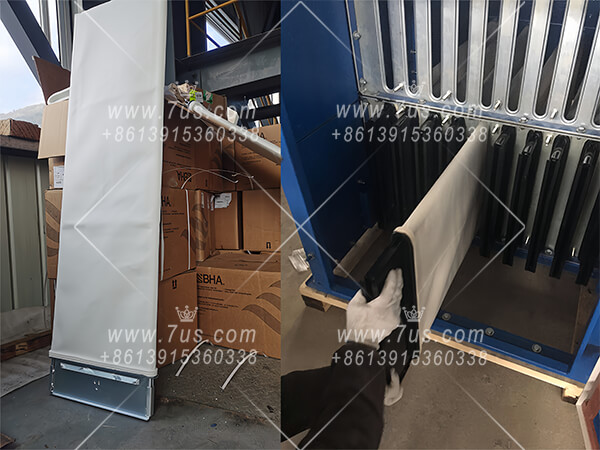
Dust Collector Filter Bags 1. Filter media options include polyester, PPS, aramid, P84, PI and other materials. 2. Various options are available for different operating temperatures and applications, including PTFE membrane, flame-retardant and anti-static treatments.
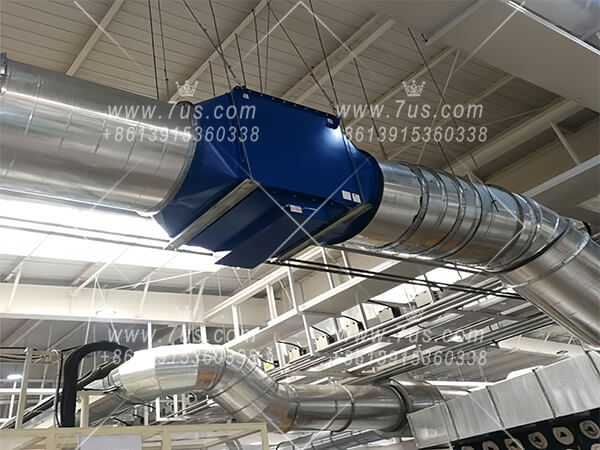
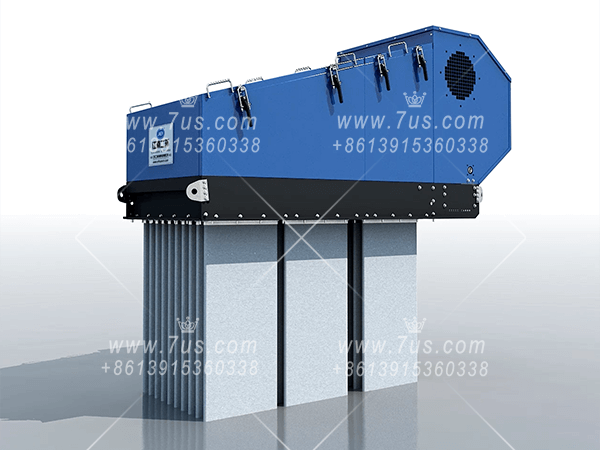
Baffle-Type Spark Arrestor 1. Installed in the main exhaust duct upstream of the dust collector to help capture sparks and hot particles before they reach the filter system. 2. Internal labyrinth baffles repeatedly change the airflow direction and promote particle collision and separation, helping reduce the number and energy of sparks and hot particles entering the downstream dust collector. 3. Suitable for applications that may generate sparks or hot particles, such as laser cutting, robotic welding, metal cutting and grinding. 4. The unit can be integrated into the exhaust duct as a pre-separation device to help protect downstream filter bags and filter cartridges from excessive hot-particle exposure.
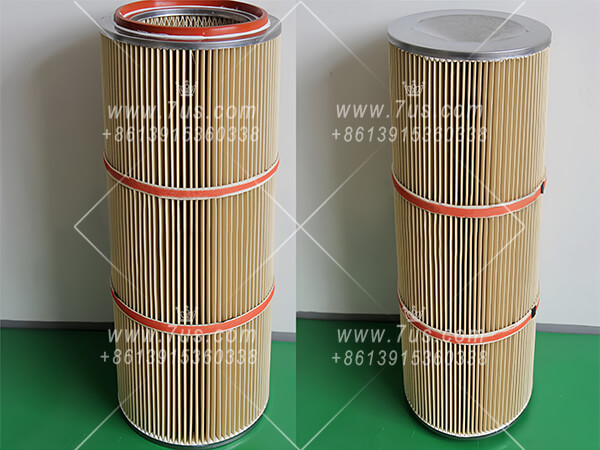
Nomex Filter Cartridge 1. Nomex non-woven filter media, also known as meta-aramid filter media, is designed for high-temperature dust filtration. The material has a weight of approximately 350 g/m² and can withstand operating temperatures of 200–220°C under suitable working conditions. 2. Through a specialized heat-setting and curing process, the soft non-woven material is converted into a rigid, pleatable filter medium suitable for manufacturing industrial air filter cartridges. 3. Pleated Nomex filter media can be manufactured in lengths of up to 2.2 meters. It is widely used in high-temperature dust collectors, including systems converted from conventional filter bags to filter cartridges. Compared with a conventional filter bag of a similar size, one pleated filter cartridge can provide more than four times the filtration area, helping reduce filtration resistance and improve dust collection efficiency.
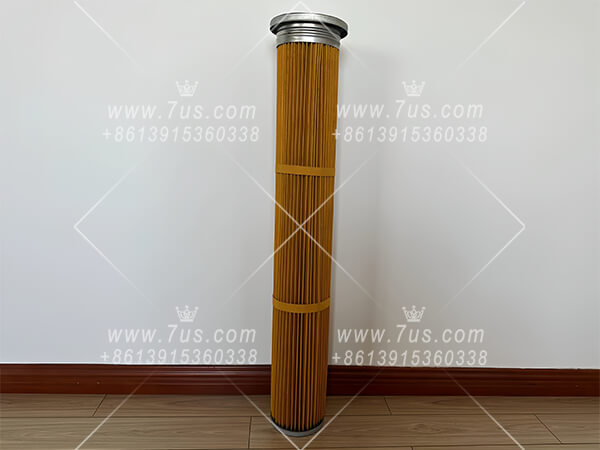
PPS Filter Cartridge 1. PPS non-woven filter media, also known as polyphenylene sulfide filter media, is designed for high-temperature industrial dust filtration. The material has a weight of approximately 350 g/m² and can withstand operating temperatures of 160–190°C under suitable working conditions. 2. Through a specialized heat-setting and curing process, the soft PPS non-woven material is converted into a rigid, pleatable filter medium suitable for manufacturing industrial air filter cartridges. 3. Pleated PPS filter media can be manufactured in lengths of up to 3 meters. It is widely used in high-temperature dust collectors, including systems converted from conventional filter bags to filter cartridges. Its pleated structure provides a substantially larger filtration area within a compact space, helping reduce the air-to-media ratio and save equipment space.
Silo Top Dust Collector 1. A silo top dust collector filters dust laden displacement air generated during bulk material filling. 2. When material enters a closed silo the displaced air leaves through the venting system and may carry fine dust. 3. Filter bags capture the dust while pulse jet cleaning releases accumulated material back into the silo. 4. Typical applications include suitable dry dust from cement mining metallurgy building materials chemical processing and grain handling.
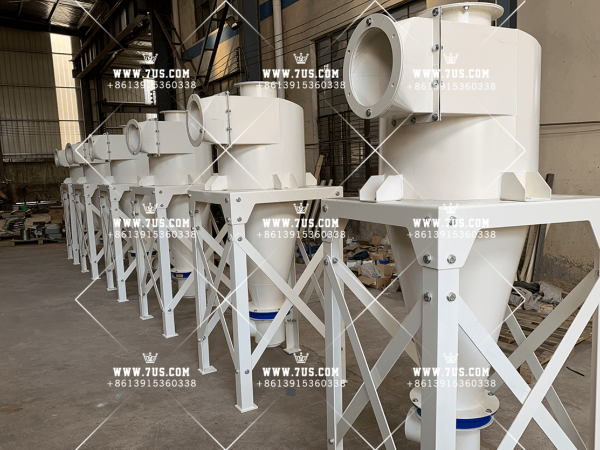
How does a cyclone dust collector work, and when should you use one? Cyclone dust collectors use centrifugal force to separate coarse and heavy particles from an airflow without filter bags or cartridges. Learn about cyclone separator advantages, applications, and key selection factors for industrial dust collection.
Why do baghouse filter bags fail earlier than expected? Operating temperature, filter media, air-to-cloth ratio, dust characteristics, and filter bag quality can all affect service life. This guide explains the main causes of bag filter failure and how to extend filter bag life in industrial dust collection systems.
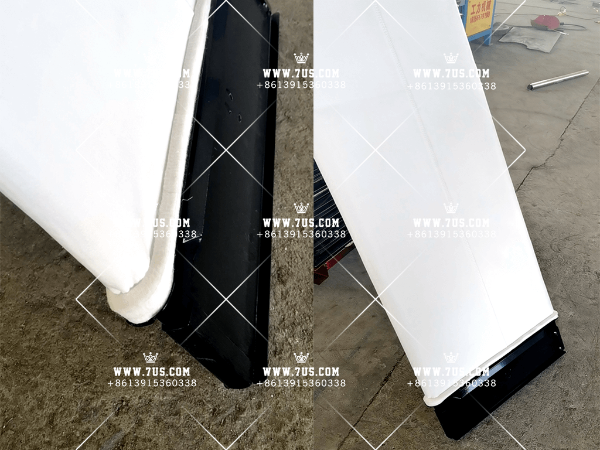
How often should baghouse filter bags be replaced? There is no fixed replacement interval for every dust collector. Filter bag life depends on dust loading, operating hours, temperature, filter media, pressure drop, cleaning conditions, and the industrial process. Learn the key signs that indicate when filter bags need replacement.
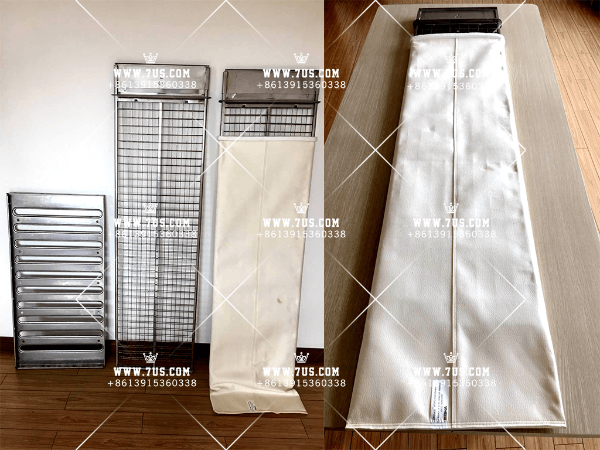
What are the main parts of an industrial dust collector, and what does each component do? Filter cartridges, filter bags, pulse valves, fans, hoppers, dust discharge devices, differential pressure gauges, and control systems all affect dust collector performance. This guide explains the key dust collector parts and their functions.
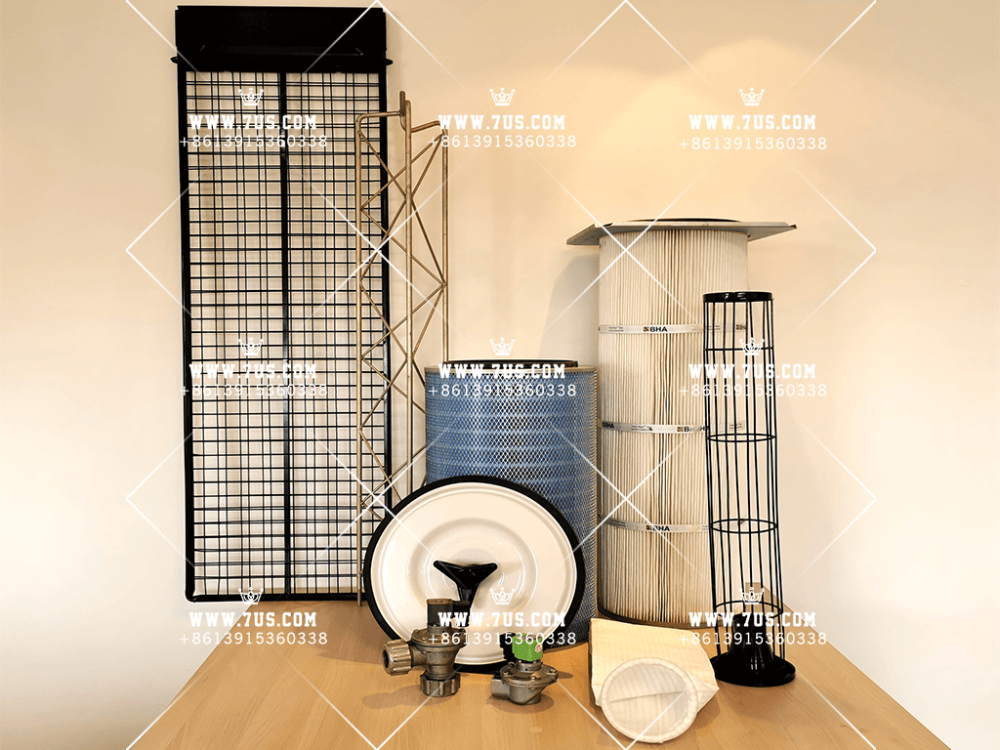
How do you know when baghouse filter bags need replacement? High differential pressure, reduced airflow, visible dust emissions, damaged filter media, frequent cleaning and unstable operation can indicate filter problems. Learn the key warning signs before replacing industrial dust collector bags.
No. 173, Wuwei Industrial Zone, Xushe Town, Yixing, Jiangsu, China© 1994-2026 7US.com. All rights reserved | Privacy PolicySite map
Phone