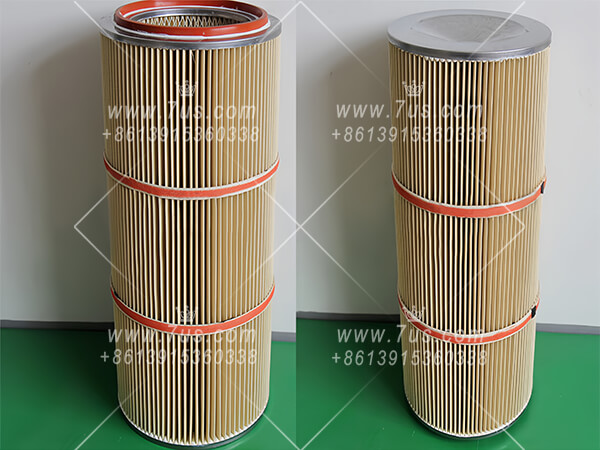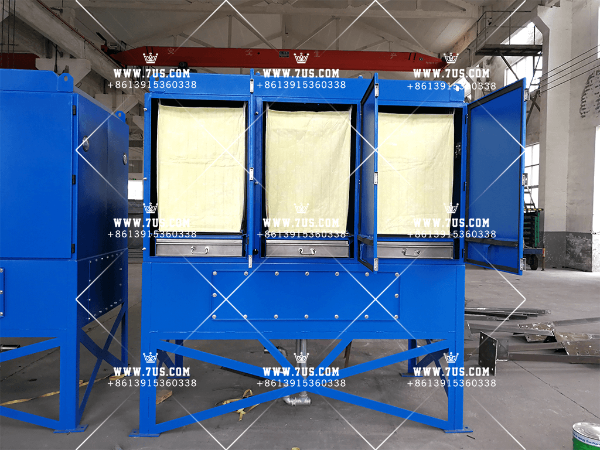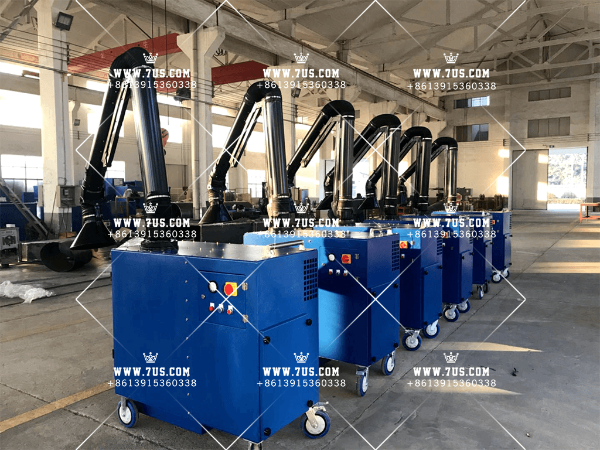


PPS Filter Cartridge
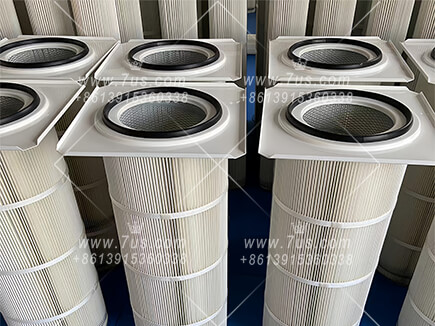
1. PPS non-woven filter media, also known as polyphenylene sulfide filter media, is designed for high-temperature industrial dust filtration. The material has a weight of approximately 350 g/m² and can withstand operating temperatures of 160–190°C under suitable working conditions.
2. Through a specialized heat-setting and curing process, the soft PPS non-woven material is converted into a rigid, pleatable filter medium suitable for manufacturing industrial air filter cartridges.
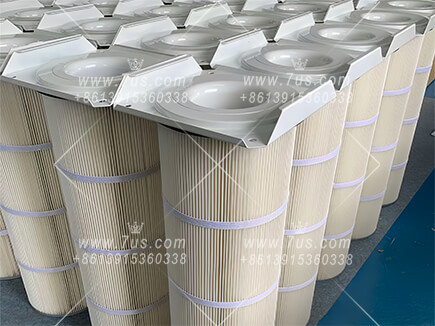
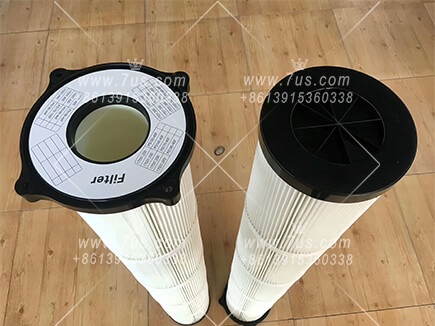
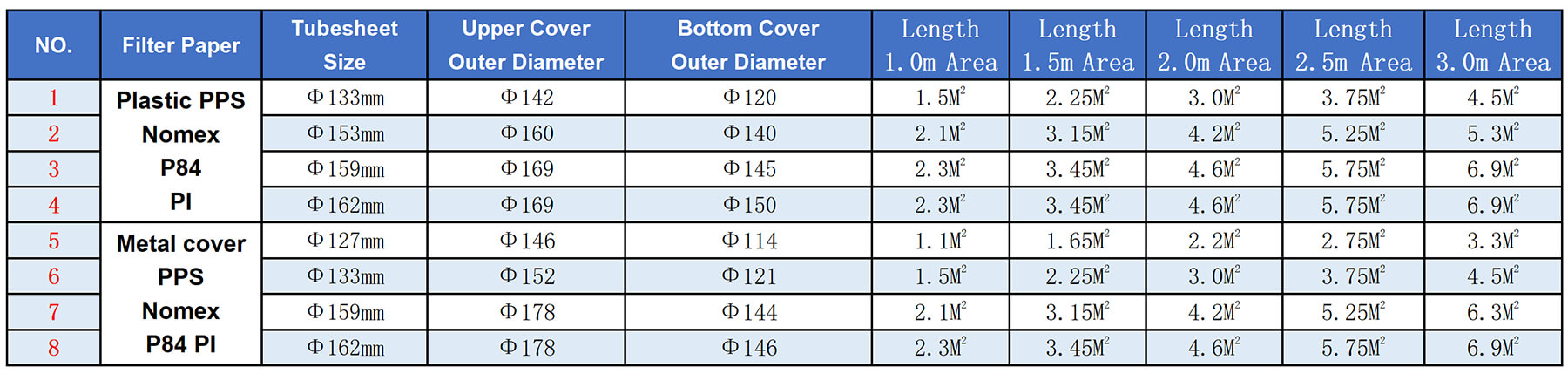
3. Pleated PPS filter media can be manufactured in lengths of up to 3 meters. It is widely used in high-temperature dust collectors, including systems converted from conventional filter bags to filter cartridges. Its pleated structure provides a substantially larger filtration area within a compact space, helping reduce the air-to-media ratio and save equipment space.
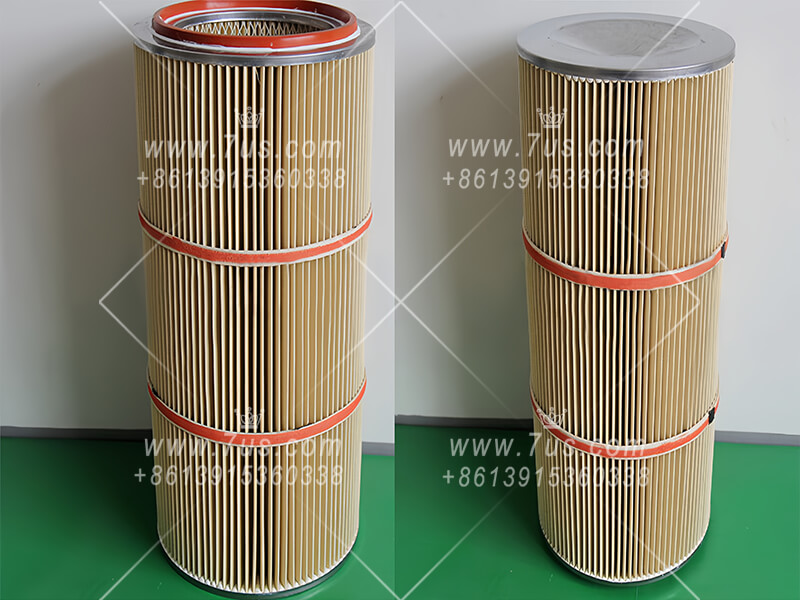
PPS non-woven filter media, also known as polyphenylene sulfide filter media, is designed for high-temperature industrial dust filtration. It can withstand operating temperatures of approximately 160–190°C under suitable working conditions.
Through a specialized heat-setting and curing process, the soft PPS non-woven material is converted into a rigid, pleatable filter medium suitable for manufacturing industrial air filter cartridges.
PPS filter cartridges combine the temperature and chemical resistance of conventional PPS filter bags with a compact pleated structure that provides a large filtration area and helps save equipment space.
PPS filter media is commonly used in smelting, chemical processing, building-material production, thermal power generation, waste incineration, coal-fired boilers and other demanding applications involving elevated temperatures and corrosive gases.
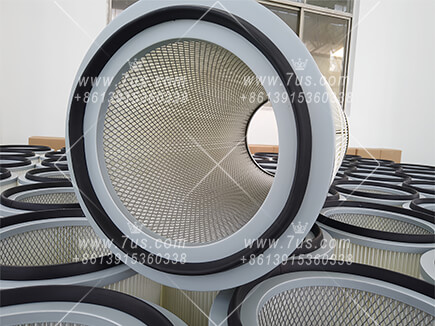
1.1 Art. No. EHFIL001
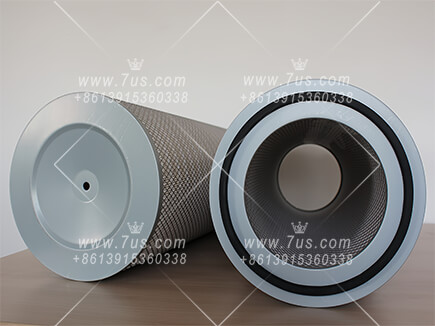
1.2 Art. No. EHFIL002
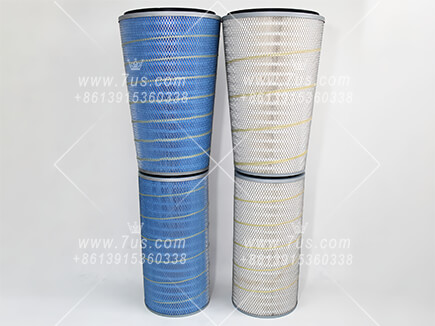
1.3 Art. No. EHFIL003
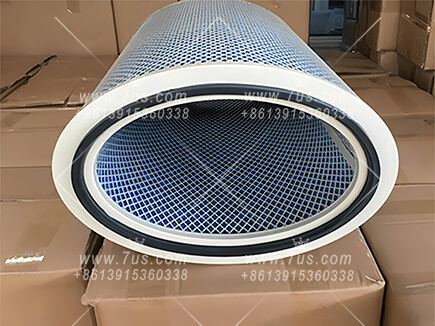
1.4 Art. No. EHFIL004
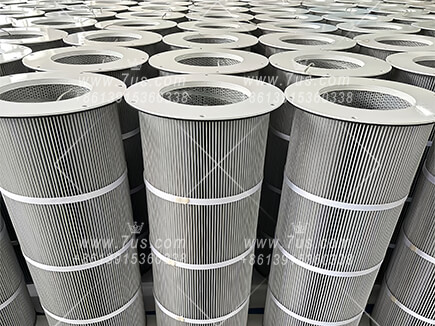
1.5 Art. No. EHFIL005
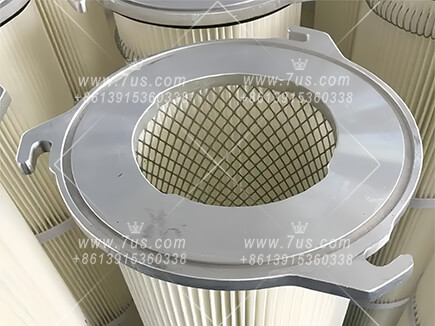
1.6 Art. No. EHFIL006
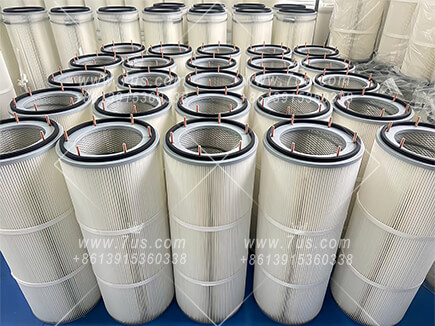
1.7 Art. No. EHFIL007
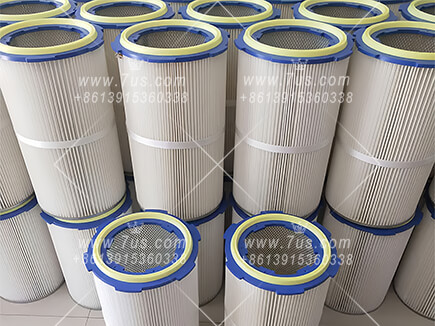
1.8 Art. No. EHFIL008
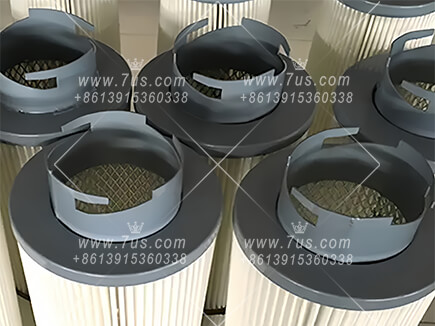
1.9 Art. No. EHFIL009
1.10 Art. No. EHFIL010
1.11 Art. No. EHFIL011
1.12 Art. No. EHFIL012
1.13 Art. No. EHFIL013
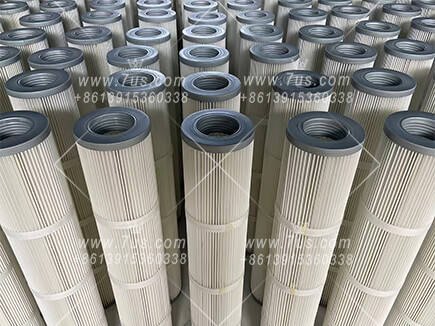
1.14 Art. No. EHFIL014
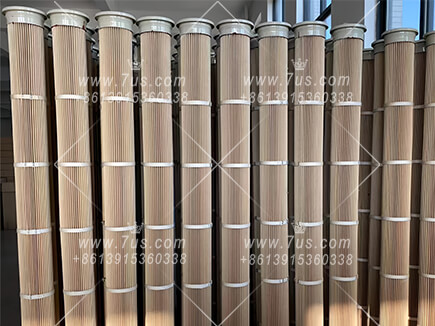
1.15 Art. No. EHFIL015
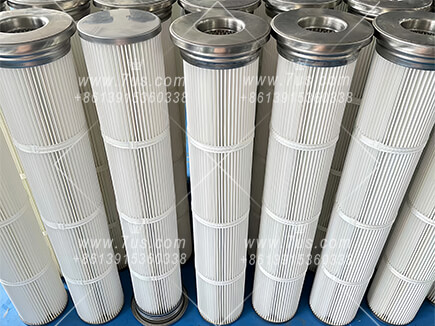
1.16 Art. No. EHFIL016

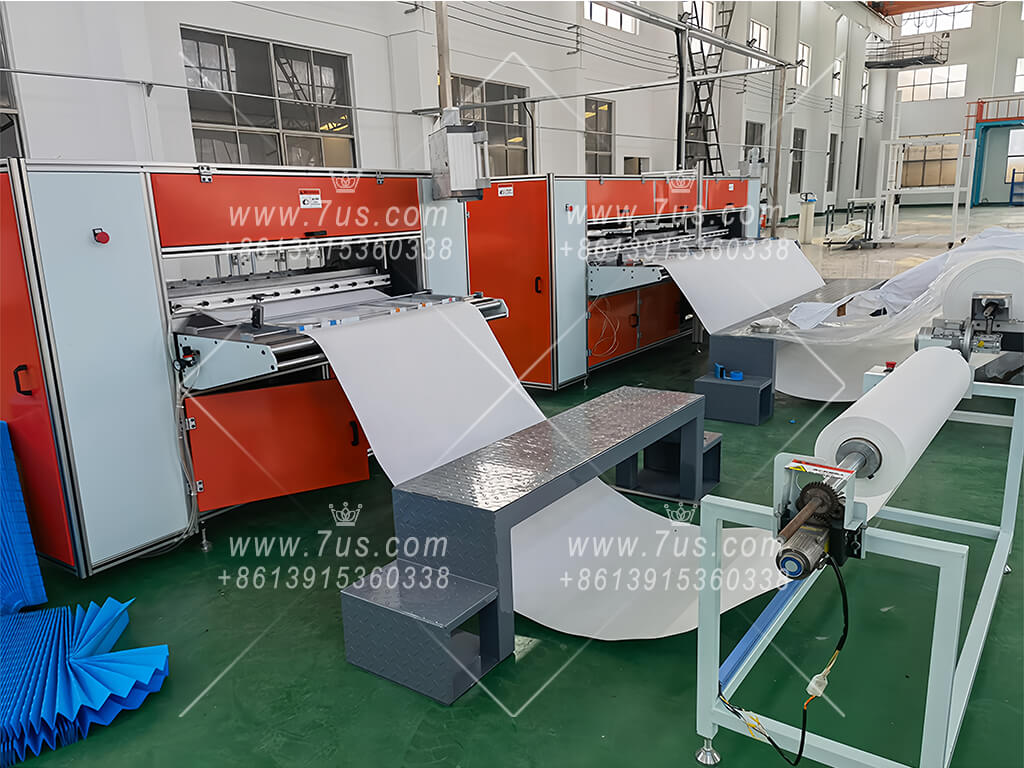 Polyester Filter Media Pleating Machine
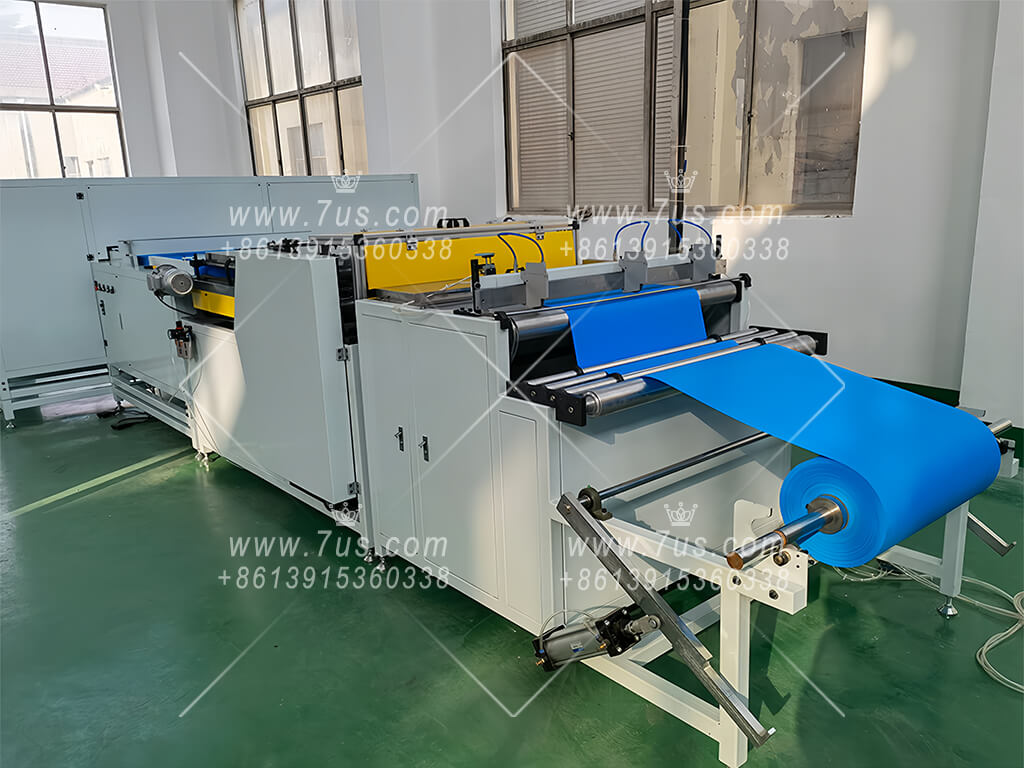 Cellulose Filter Paper Pleating Machine
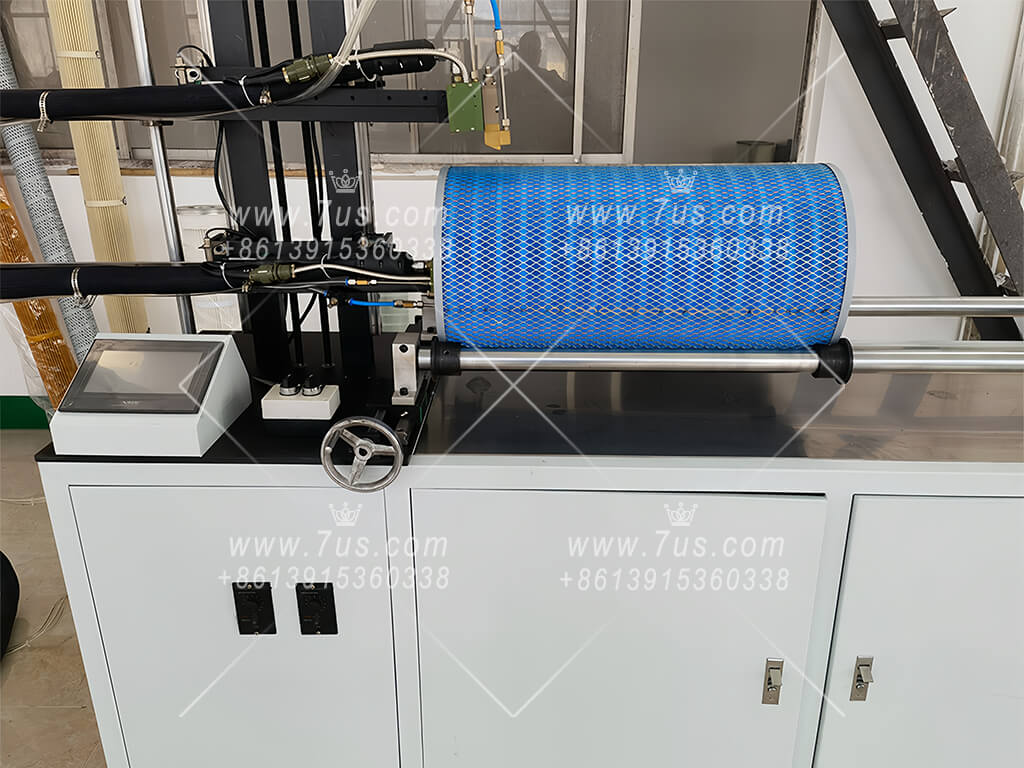 Automatic Spiral Gluing Machine
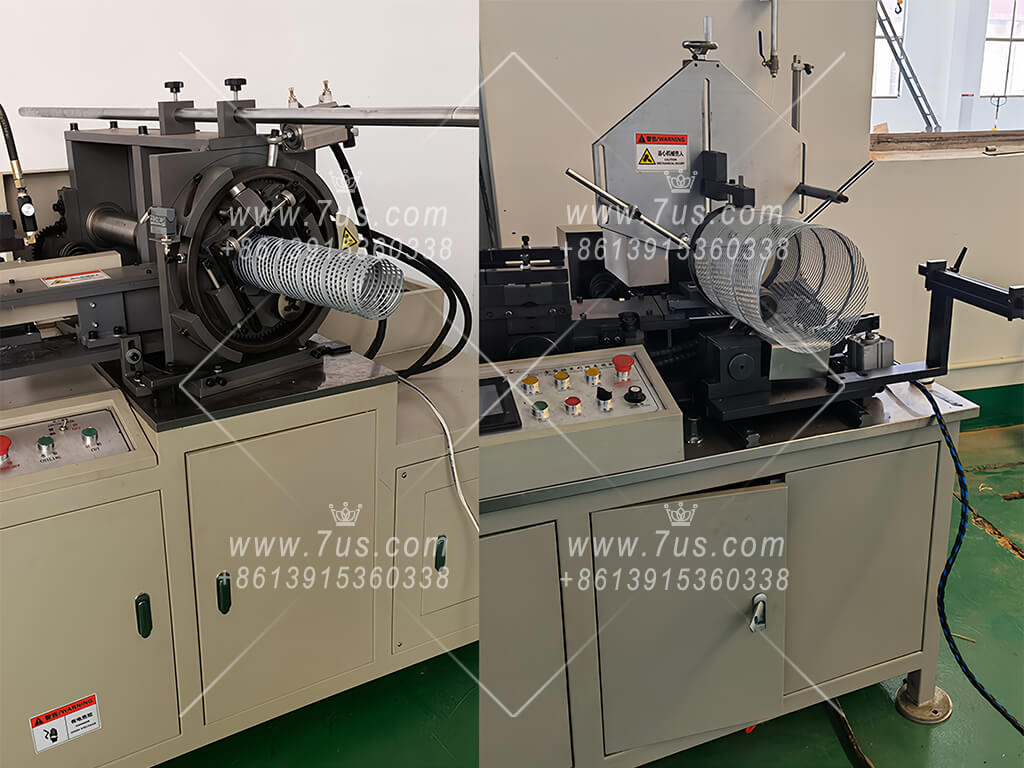 Automatic Production Line For Porous And Diamond Mesh Skeleton
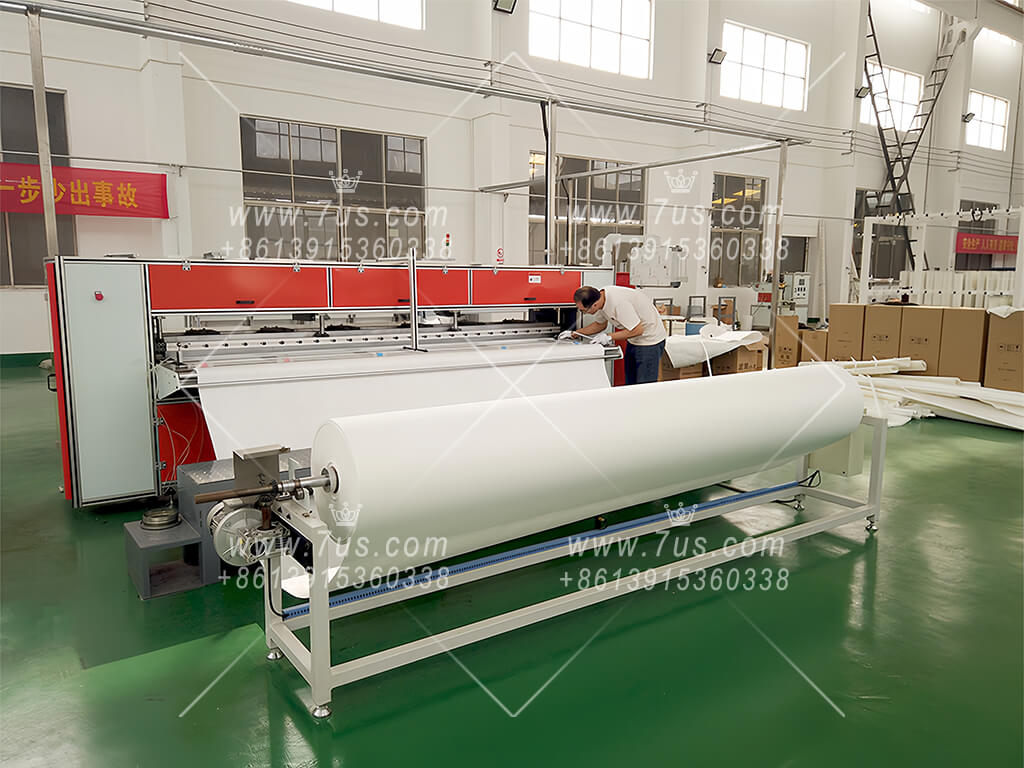 Three-Meter Filter Media Pleating Machine
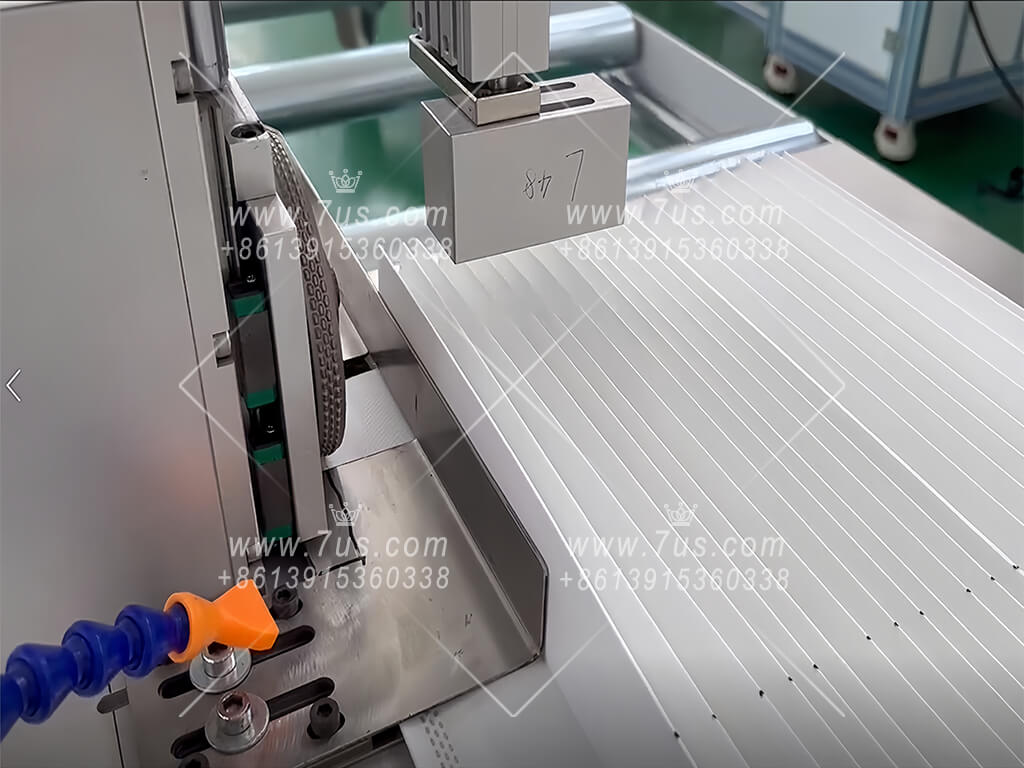 Ultrasonic Welding Of Filter Paper Seam
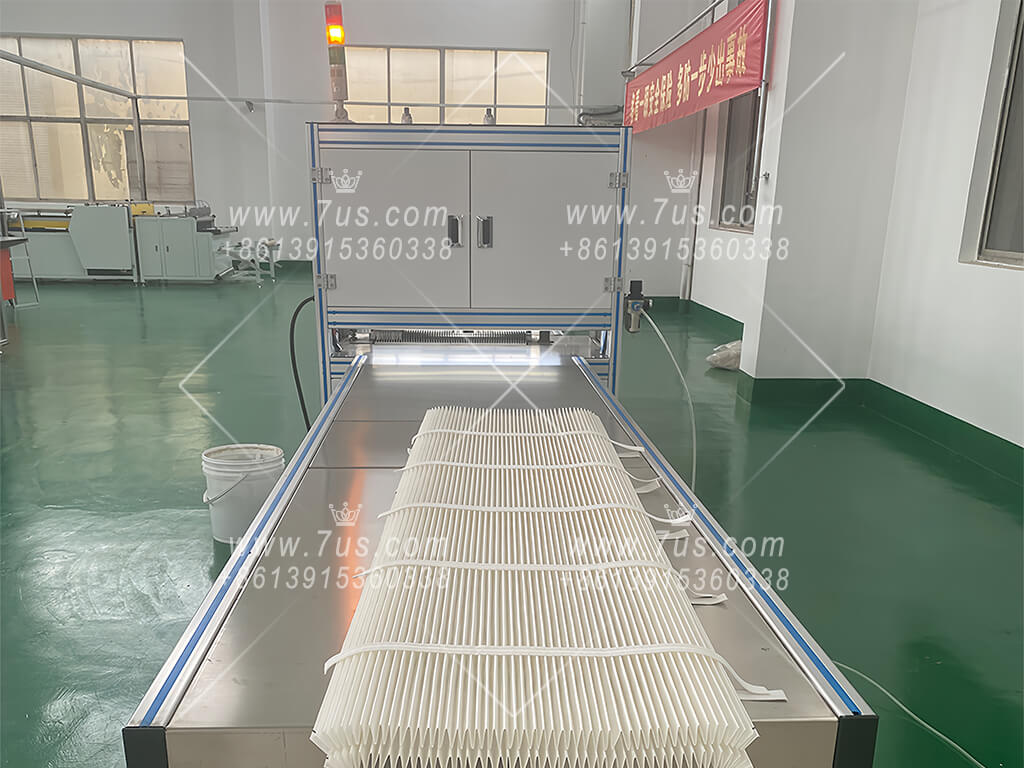 Ultrasonic Welding Of Filter Paper Binding Tape
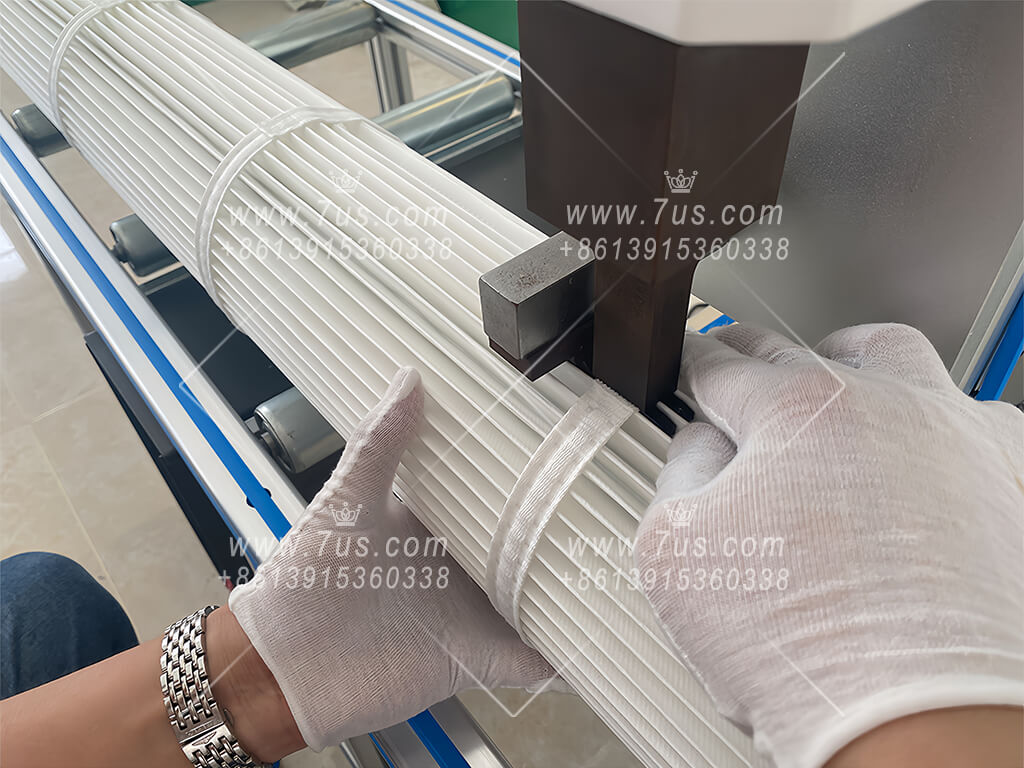 Strap Tail Ultrasonic Welding
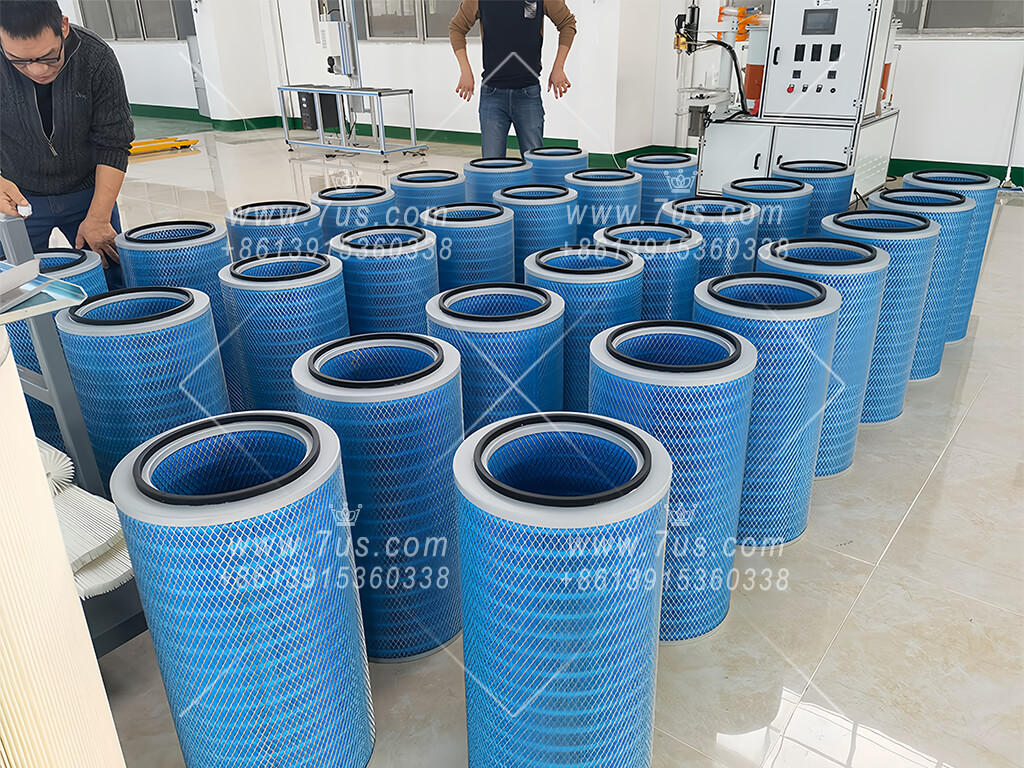 Cellulose Paper Filter Cartridge Production Site
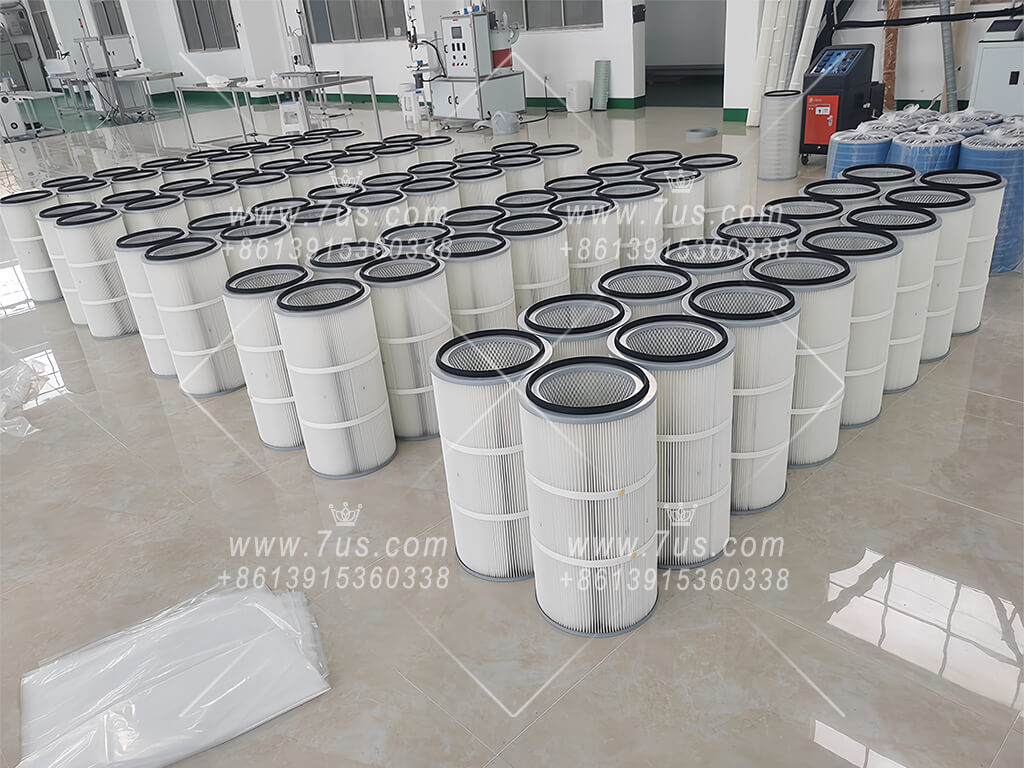 PET Paper Filter Cartridge Production Site
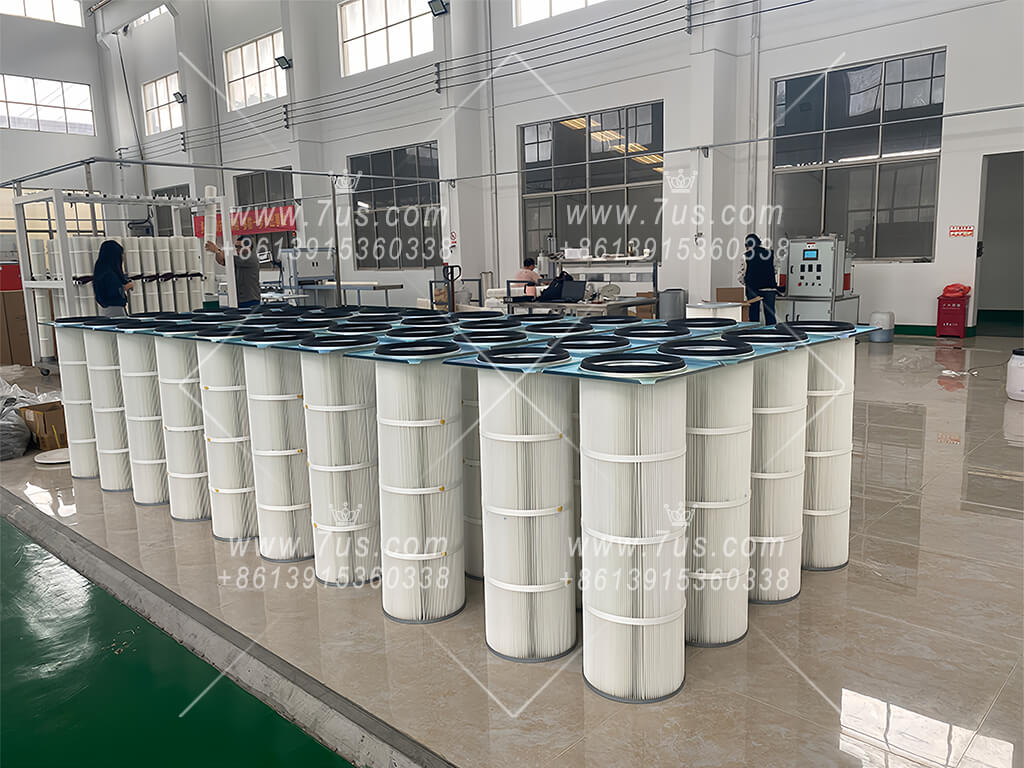 Square Lid Chuck Filter Cartridge Production Site
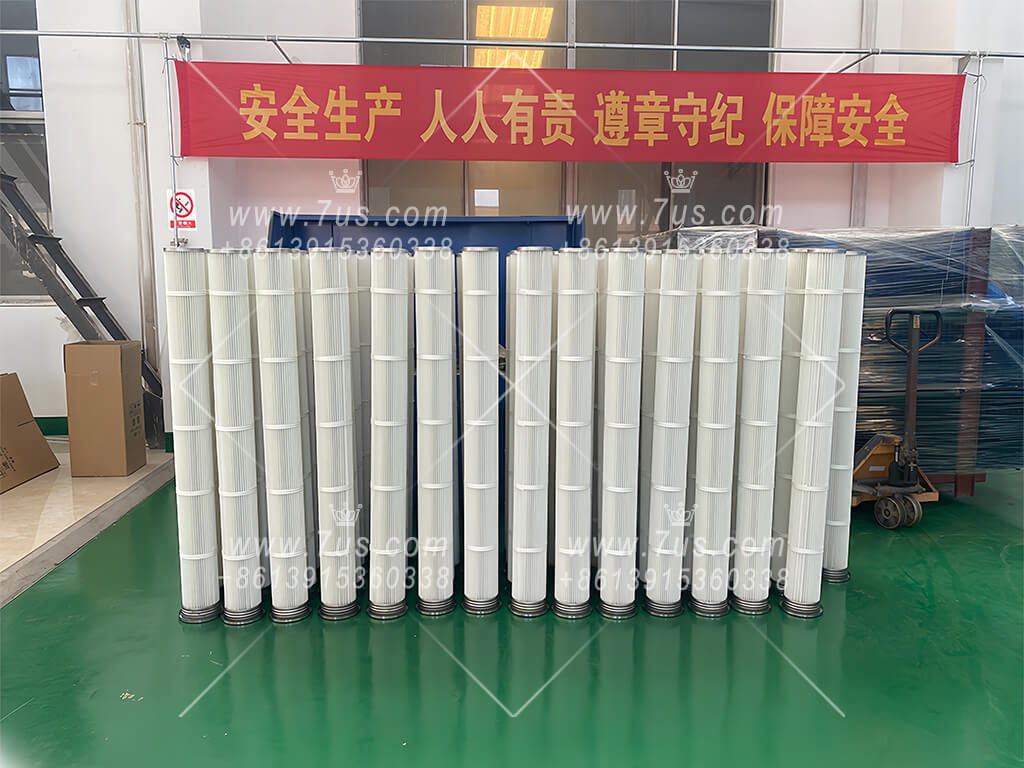 Fine Filter Cartridge Instead Of Bag
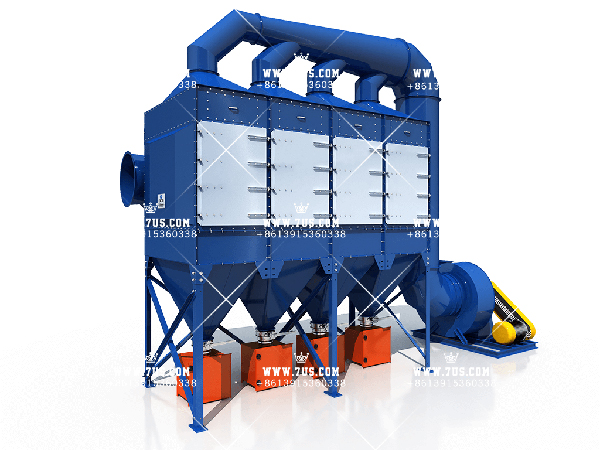
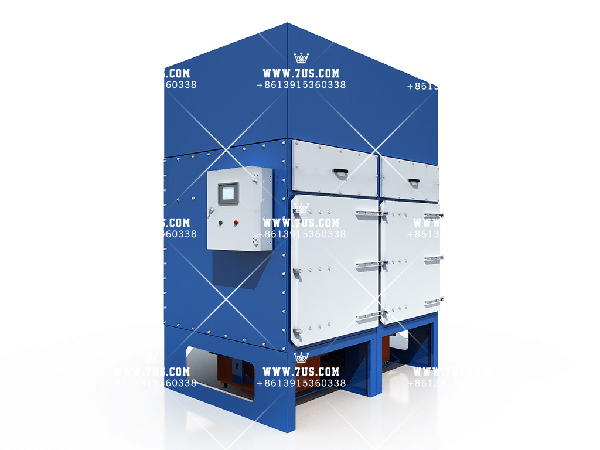
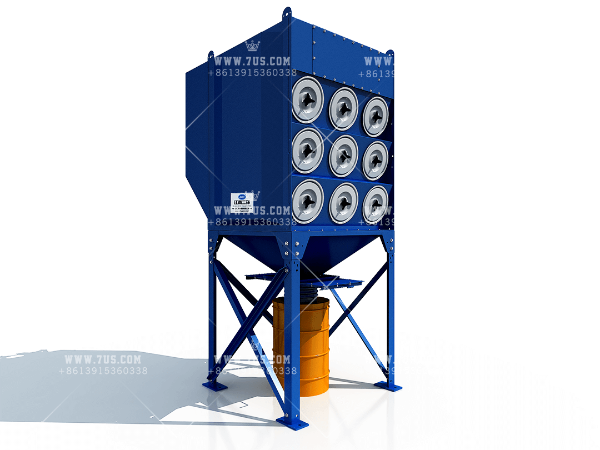
The filter cartridge, also known as the filter element, is the heart of a dust collector and is a filtering element used to separate smoke and dirty air, thereby obtaining clean air. It belongs to consumables. Air filters are actually a type of dust collector, such as self-cleaning air filters, commonly used as pre-filtration devices at the air inlet of gas turbines, high-temperature fans, and air compressor stations.
1.2: Is the filter cartridge better than bag?Compared to cloth bags, filter cartridges have a larger filtration area when using pleated filter paper at the same volume. When encountering high dust concentrations, a cyclone dust collector is needed for pretreatment, and then a filter cartridge dust collector is used. Replacing bags with drums, increasing filtration area, reducing filtration wind speed, improving purification capacity, and energy conservation and emission reduction have become trends. For example, in the current popular steel industry, using 3-meter-long filter cartridges to replace cloth bags has become a trend, and emission concentrations can reach below 10 milligrams per cubic meter.
The filter cartridge usually uses compressed air with a weight of 4 bar or higher to blow back, causing the filter paper to expand and vibrate. Dust falls off and separates from the surface of the filter paper, reducing resistance, and thus obtaining pulse valve injection compressed air for dust cleaning and regeneration.
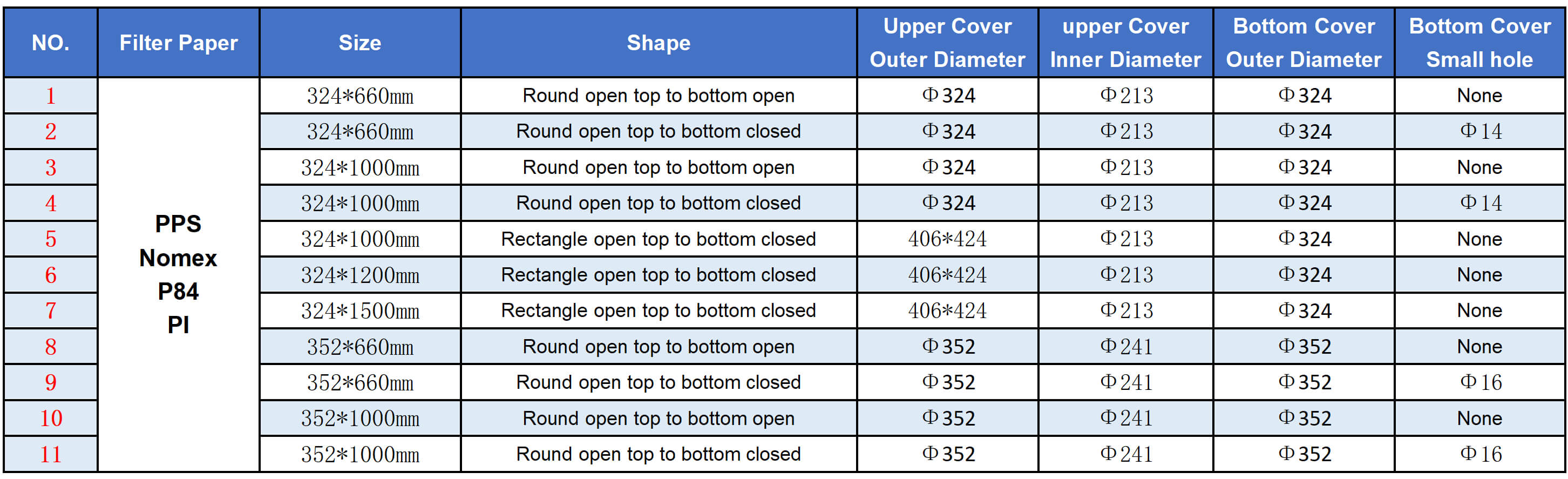
1.4:What are the dimensions of the filter cartridge?The size of filter cartridges usually includes Ø350 × 660 mm, Ø324 × 660 mm, Ø324 × 1,000 mm, and various sizes that replace cloth bags. The width of filter paper can reach 3,000 mm, which means that filter cartridges within a length of 3 meters can be customized.
Filters usually come in round filter cartridges, conical filter cartridges, and fine filter cartridges. For all shapes of filter cartridges on the market, we can replicate and replace them according to your sample requirements.
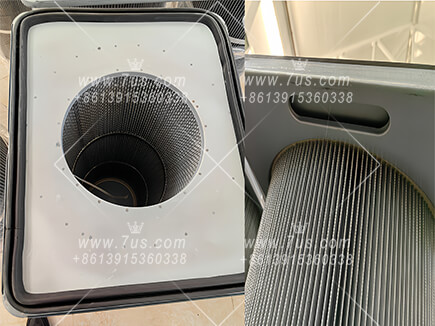
1.6: What are the installation methods for filter cartridges?The installation methods of filter cartridges include flat installation, oblique insertion, chuck pressure rod type, nut lifting type, three ear screw in type, top installation type, bottom installation type, side installation type, and so on.
In terms of basic materials, the main substrates for filter cartridges are fiber paper and polyester (PET). Of course, there are also high-temperature resistant composite pleated non-woven substrates such as glass fiber, PPS, P84, Nomex, etc.
2.2: What is a paper filter cartridge?Using fiber paper as the basic material, abbreviated as substrate, is usually used to filter low concentration flue gas. For filter cartridges of the same size and specification, fiber paper has more pleats. Taking a Ø350 × 660 mm filter cartridge as an example, the filtering area is usually around 20–23.4 m².
2.3: What are the functional options for paper filter cartridges?
On the substrate of fiber paper, surface treatment with functions such as nanocoating, flame retardancy, and anti-static can usually be carried out, followed by deep processing and comprehensive composite technology.
Using polyester (PET) pleated non-woven fabric as the substrate, it is usually used for relatively high concentrations of dust. Filter cartridges of the same size and specification have more polyester pleats. Taking a Ø350 × 660 mm filter cartridge as an example, the filtration area is around 9–10 m².
2.5: What are the functional options for polyester filter cartridges?
On the substrate of polyester, surface treatment with functions such as lamination, flame retardancy, and anti-static can usually be carried out, followed by deep processing and comprehensive composite technology.
3.1: How is the accuracy of the filter cartridge ensured?
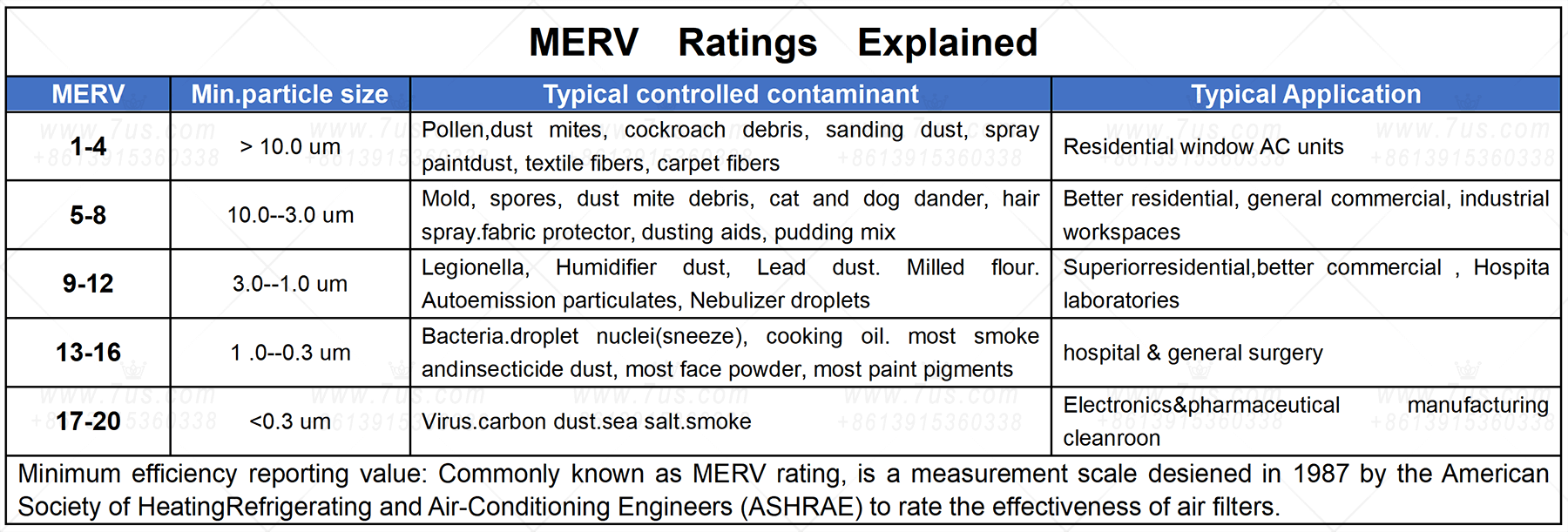
The accuracy of the filter cartridge is mainly achieved through surface treatment of the substrate. The microporous membrane composite on the surface of the substrate has a smaller microporous diameter, higher efficiency, and a higher relative resistance. The efficiency of wood pulp paper substrate is around F5-F7 level, and after nanofilm composite, the efficiency is between F9-H10 level. The substrate efficiency of polyester filter material is around F5-F9 level, and the efficiency after PTFE membrane lamination can reach purification levels of H10-H12 level. The weight of wood pulp paper is usually 135 grams per square meter, the weight of polyester non-woven filter paper is usually 240 and 260 grams per square meter, and the weight of high-temperature PPS, P84, Nomex filter paper is usually 360 grams per square meter. Similar to the logic of bag material, it has a significant weight, high precision, and high price.
3.2: What is the difference between nano, adhesive film, and thermal film?Nano coating technology, also known as nano coating technology, is usually aimed at paper filter cartridges made of wood pulp paper substrate. Immersion and non immersion are mainly aimed at polyester substrates. The filter paper after immersion is relatively firm and aesthetically pleasing when folded and formed. The filter paper soaked in glue can usually only be coated with glue. Instead of impregnating polyester substrates, thermal lamination, PTFE or ePTFE thermal lamination, which is currently an advanced lamination process, is commonly used.
3.3: The larger the filtration area of the filter cartridge, the higher its filtration efficiency?In theory, this is the case, but blindly increasing the filtering area is not feasible because the larger the area, the more relative pleats, the tighter the spacing, and the easier it is to trap dust, which is not conducive to dry cleaning and has a shorter service life.
3.4: What is the appropriate filtration rate for the filter cartridge?In theory, the slower the filtration velocity, the higher the filtration accuracy. However, as the corresponding area increases, more filter materials will be used, and the dust collector box equipment will also become larger, resulting in an overall increase in comprehensive costs. Considering both filtration accuracy and investment cost, a reasonable wind speed is usually chosen. The filtration velocity range of paper filter cartridges is usually 0.5-0.7 m/min, while the filtration velocity range of polyester filter cartridges is usually not more than 1.2 m/min.
No. 173, Wuwei Industrial Zone, Xushe Town, Yixing, Jiangsu, China© 1994-2026 7US.com. All rights reserved | Privacy PolicySite map
Phone