
A standalone dust collector is a compact industrial filtration unit for collecting dust from individual machines, workstations and local process points. Selection should consider dust type, airflow, operating conditions, filtration requirements and maintenance access.
A standalone dust collector is a self-contained filtration unit designed to collect dust from individual machines, workstations or local process points. It can be used where a compact and independent dust collection solution is required without connecting multiple production areas to one central collector.
The suitable equipment should be selected according to the dust characteristics, required airflow, operating schedule, installation space and maintenance requirements. A correct selection helps maintain stable airflow and practical day-to-day operation.
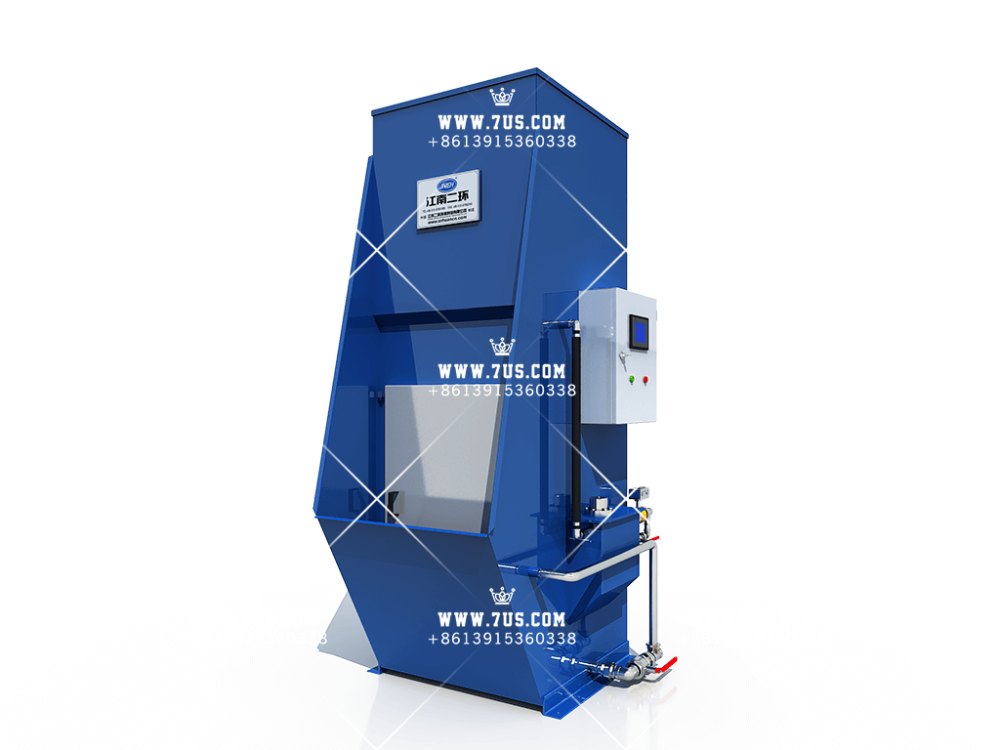
Standalone dust collectors can be considered for grinding machines, polishing stations, cutting equipment, welding areas, packaging points, material transfer locations and other local dust-generating processes. The collector can be connected to a hood, enclosure, workstation or process machine according to the application.
A standalone cartridge dust collector is often selected for dry industrial dust where compact size, efficient filtration and pulse-jet cleaning are required.
1. Dust characteristics: Particle size, dust concentration, moisture, temperature, abrasiveness and adhesion should be evaluated before selecting the filter media and collector configuration.
2. Airflow requirement: Airflow should match the collection point, hood design, enclosure opening and duct resistance. Undersized airflow may reduce capture performance, while excessive airflow can increase energy use and system resistance.
3. Filter media and cleaning: Filter material should be suitable for the collected dust. Pulse-jet cleaning can help remove accumulated dust and maintain stable differential pressure during operation.
4. Dust discharge and maintenance: The hopper, dust bin or other collection arrangement should be practical for the dust load and operating schedule. Filter replacement, inspection access and routine cleaning should be considered before installation.
Routine maintenance should include checking filter condition, differential pressure, pulse valves, compressed-air supply, dust-bin level, duct connections and air leakage. Promptly correcting abnormal pressure drop or reduced airflow helps maintain reliable dust collection performance.
7US supplies industrial standalone dust collectors for individual equipment and local process applications. Provide your dust type, airflow requirement and application details for equipment selection.
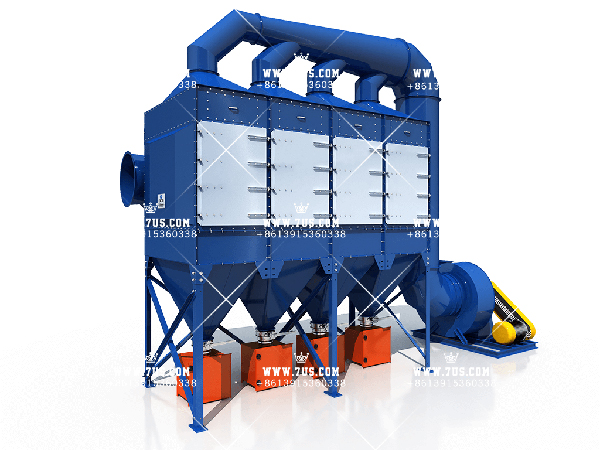
1. Vertical modular cartridge dust collector designed for high dust loading, fine dry dust and large-airflow industrial filtration applications. 2. Standardized DHC filtration modules can be combined to increase total airflow, allowing flexible system expansion according to project requirements. 3. Vertical cartridge arrangement with side-door access and eccentric cam fixing allows convenient filter inspection and replacement. 4. Single-stage cartridge filtration, two-stage cartridge + HEPA filtration, and three-stage cartridge + HEPA + activated carbon filtration configurations are available. 5. HEPA final filtration can be added for applications requiring very low particulate emissions, while activated carbon can be used as an additional polishing stage for suitable odor or VOC applications. 6. Standard single-module airflow ranges from 4,000 to 10,000 m³/h, and multiple DHC8 modules can be combined for systems up to 80,000 m³/h as shown on this page. 7. Equipment dimensions, filter media, color and OEM configuration can be customized according to project requirements.
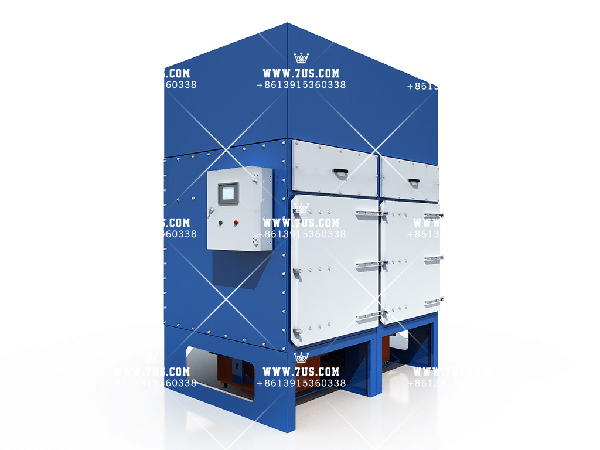
1. Vertical all-in-one cartridge dust collector designed for compact installation, convenient operation and efficient dry dust filtration. 2. Suitable for compatible dry dust and fume applications with dust-laden air temperatures below 120°C. 3. Vertical cartridge arrangement with side-door access allows convenient cartridge inspection and replacement. 4. Pleated cartridge filters provide a large filtration area within a compact equipment footprint, with automatic pulse-jet cleaning for routine filter cleaning. 5. Optional HEPA final filtration and activated carbon filtration can be added according to the required particulate and odor/VOC treatment needs. 6. DHC-YT series models are available with airflow capacities from 4,000 to 12,000 m³/h. 7. Equipment color, filter media, voltage, frequency and OEM configuration can be customized according to project requirements.
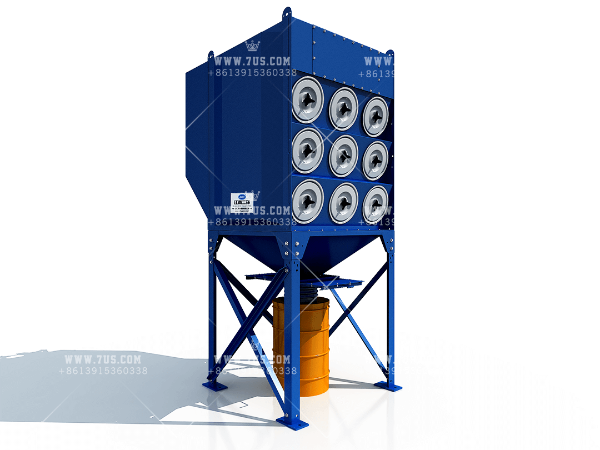
1. Downflow oblique modular cartridge dust collector designed for flexible capacity expansion through standardized modular units. 2. Compact modular construction helps reduce installation footprint and allows the equipment to be divided into transport-friendly sections for easier shipping and assembly. 3. Pleated cartridge filters provide a large filtration area within a compact equipment volume, with automatic pulse-jet cleaning for routine filter cleaning. 4. Standard EHDFT modules can be combined to increase total airflow according to project requirements, with configurations available up to 100,000 m³/h. 5. Optional two-stage filtration with cartridge filters and HEPA final filtration is available for applications requiring additional filtration performance. 6. Stainless steel construction, abrasion-resistant inlet arrangements, exhaust dampers and explosion protection components can be evaluated according to the application. 7. Suitable for compatible dry dust and fume applications without oil or water, subject to the confirmed dust characteristics and project safety requirements. 8. Equipment configuration, filter media, color a
No. 173, Wuwei Industrial Zone, Xushe Town, Yixing, Jiangsu, China© 1994-2026 7US.com. All rights reserved | Privacy PolicySite map
Phone