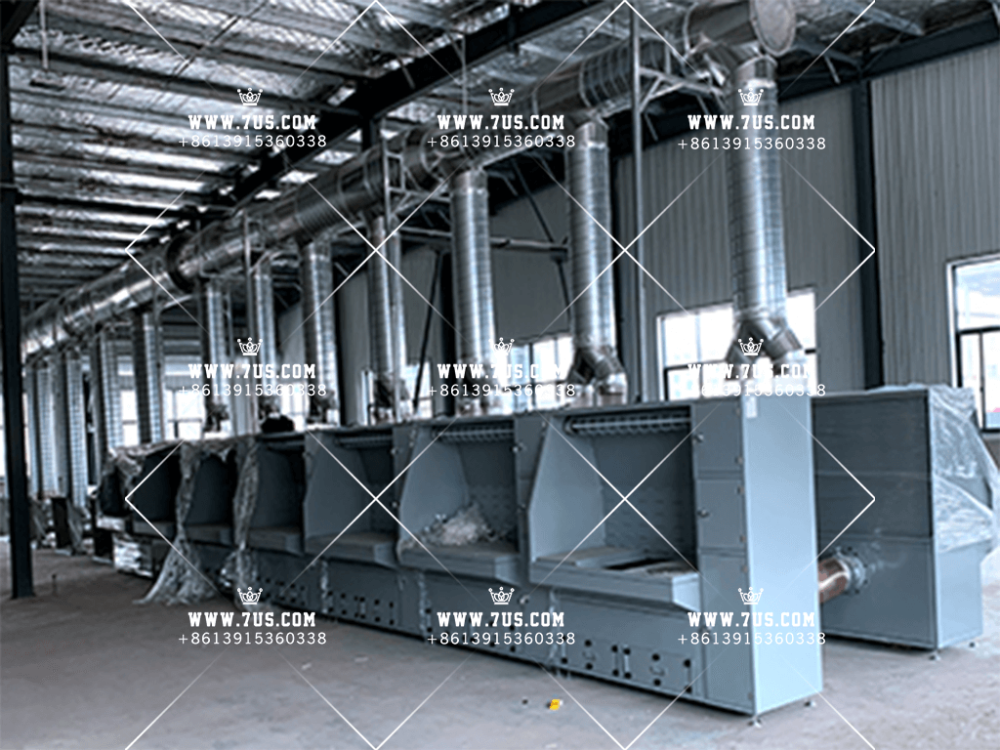

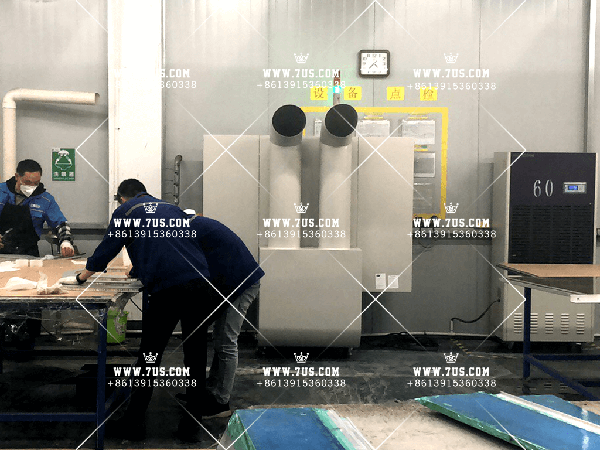
1. Multi-station grinding operations can generate significant amounts of airborne dust and fine particulate, especially when several grinding stations operate simultaneously.
2. Effective source capture and centralized dust collection can help control airborne dust, reduce workplace contamination and improve the working environment.
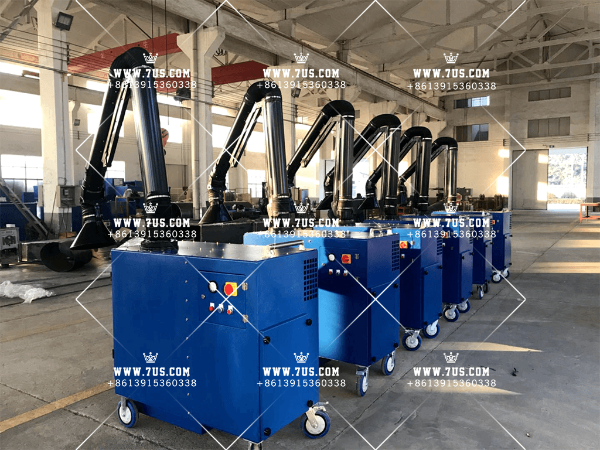
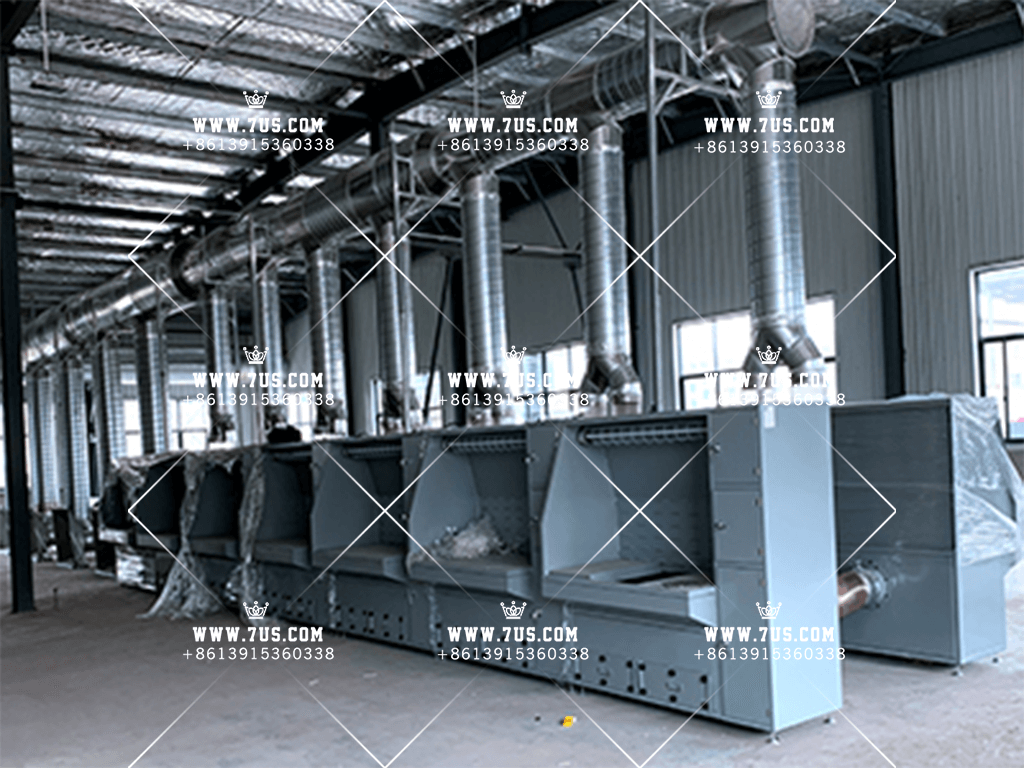
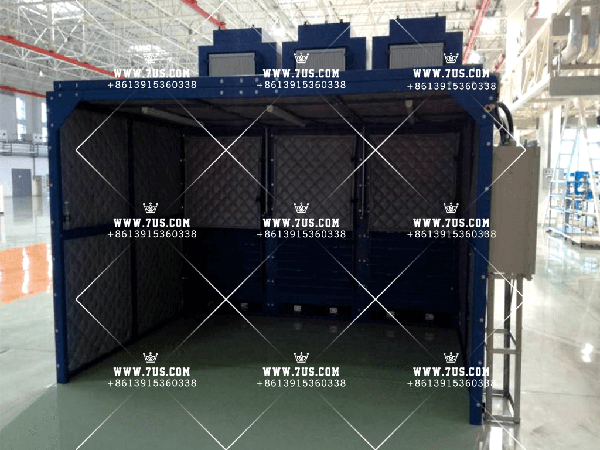
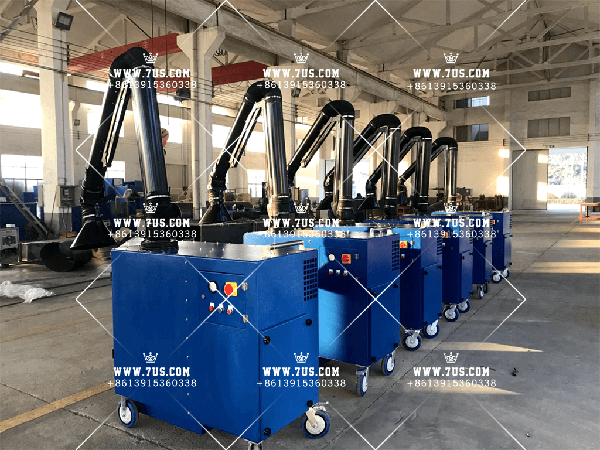
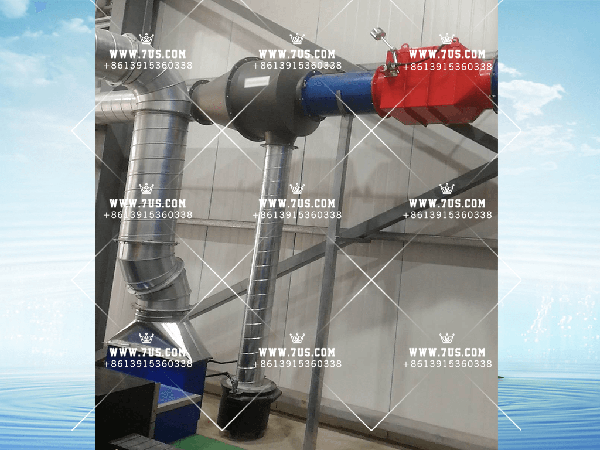
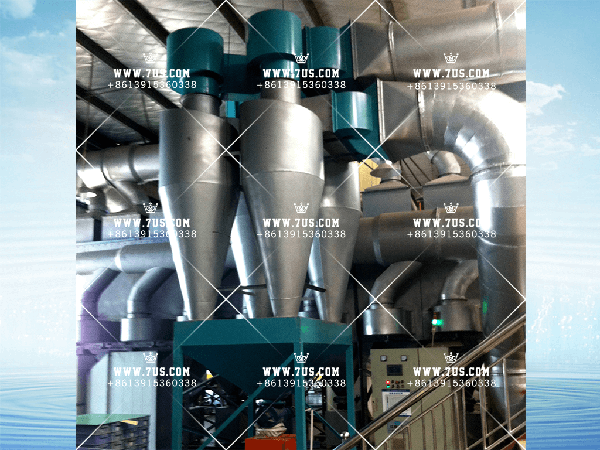
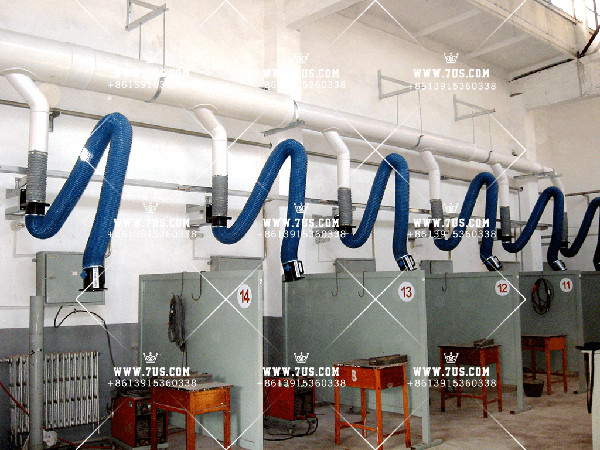
3. Each grinding station can be equipped with a suitable extraction hood or suction point and connected through branch ducts to a centralized main duct.
4. For grinding processes that generate sparks, suitable spark control or pre-separation measures can be considered according to the material, spark load and system risk assessment.
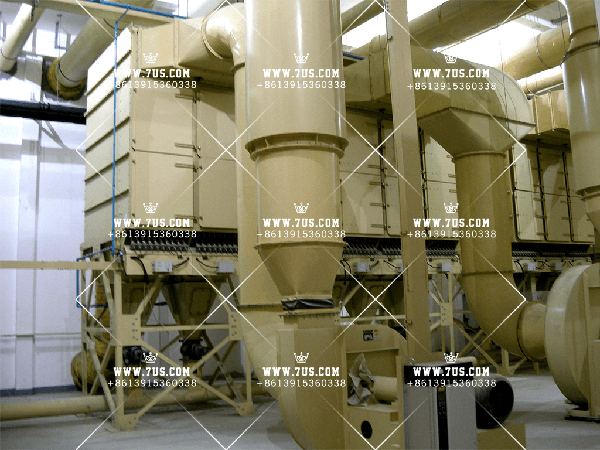
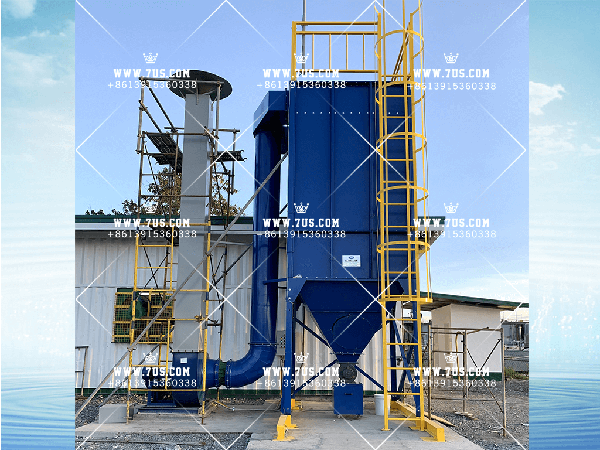
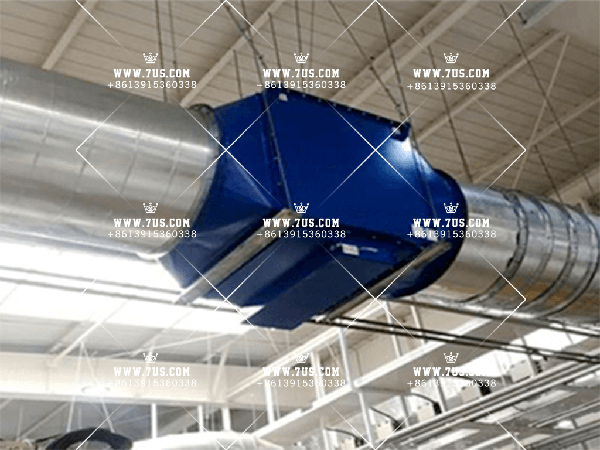
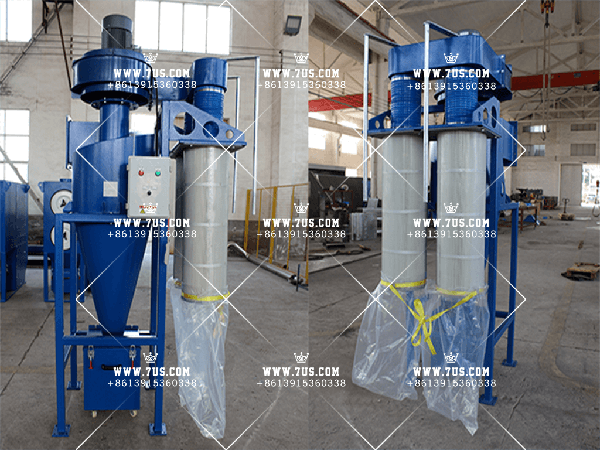
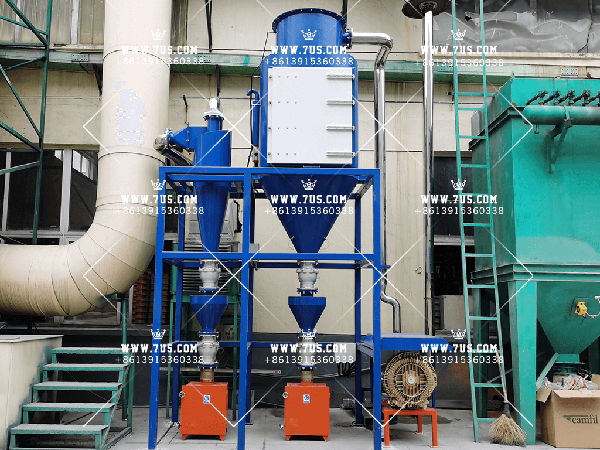
5. The main duct can be connected to a centralized dust collector to maintain negative-pressure extraction and filter the collected grinding dust.
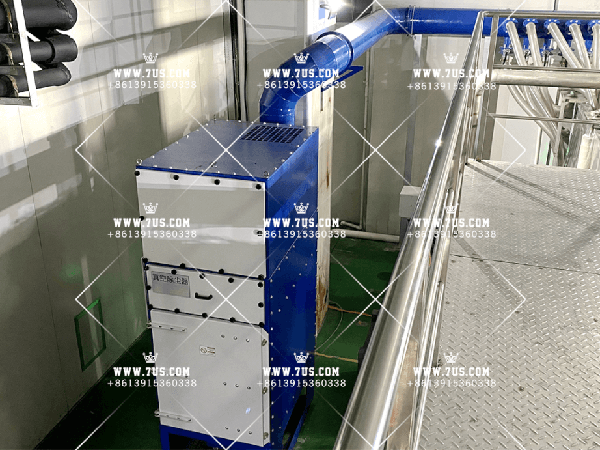
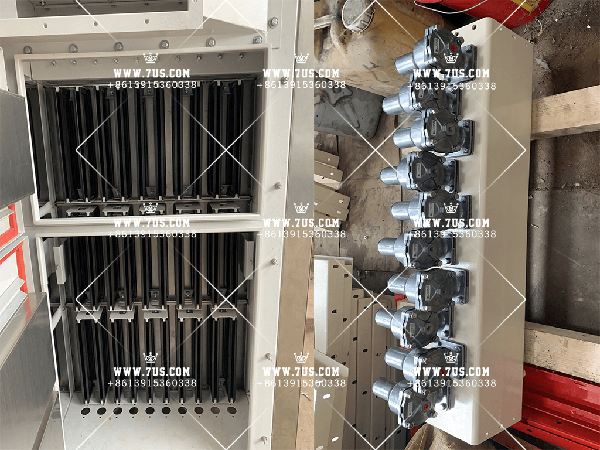
6. Where a higher level of final filtration is required, a HEPA filter stage can be added according to the application and required emission level. Actual outlet concentration depends on the filter configuration, dust characteristics and operating conditions.
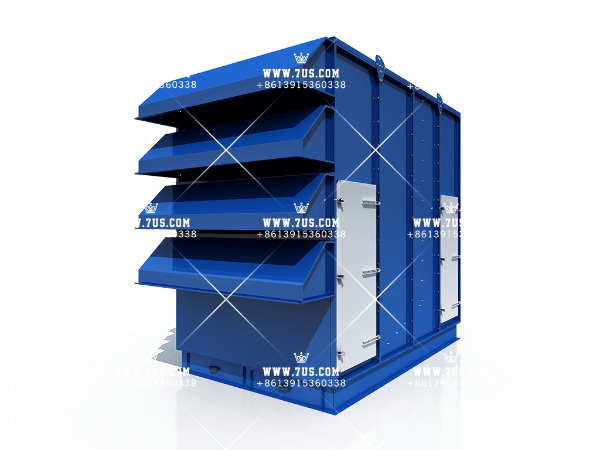
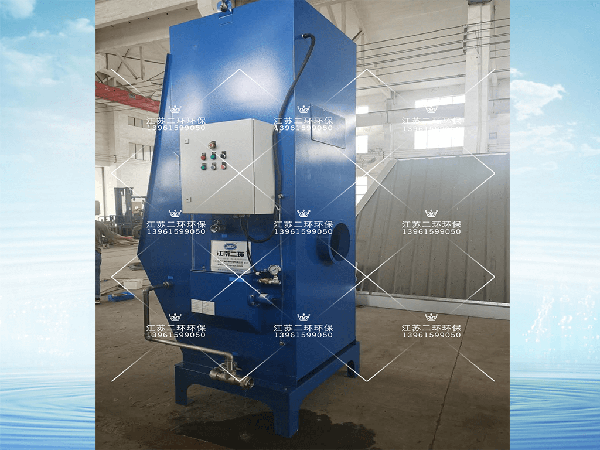
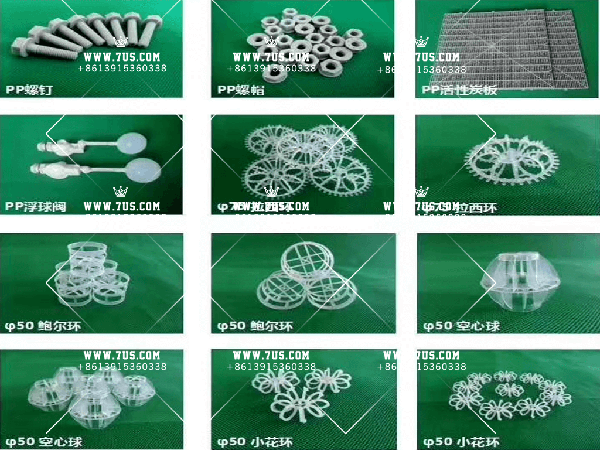
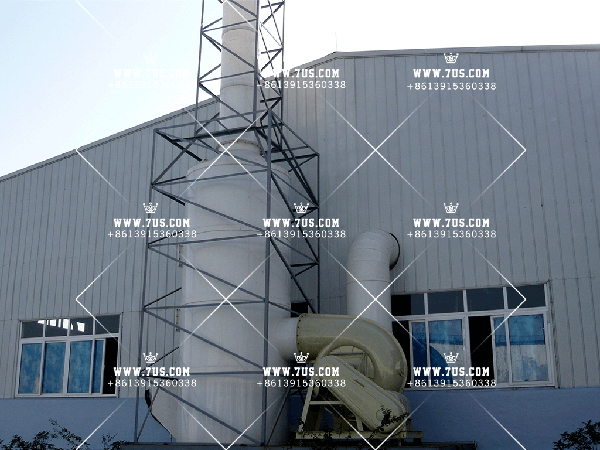
7. Wet dust collectors can be considered for suitable applications involving combustible metal dust, oily dust or dust containing moisture, subject to the specific material properties and process requirements.
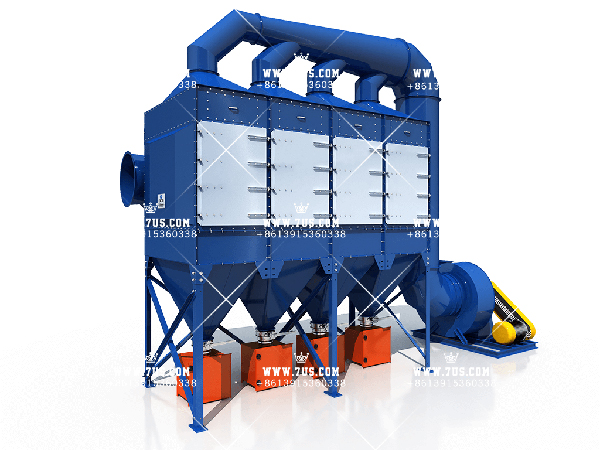
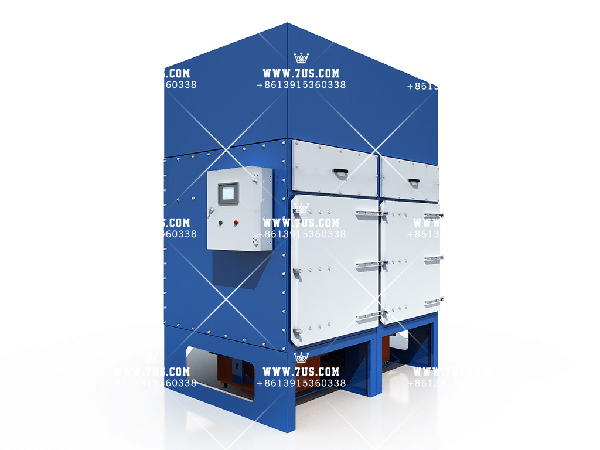
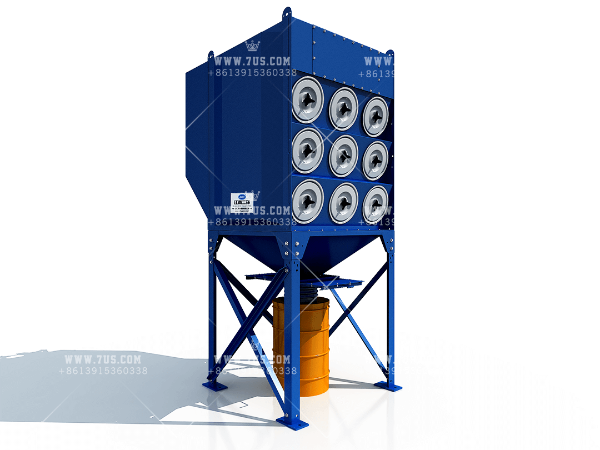
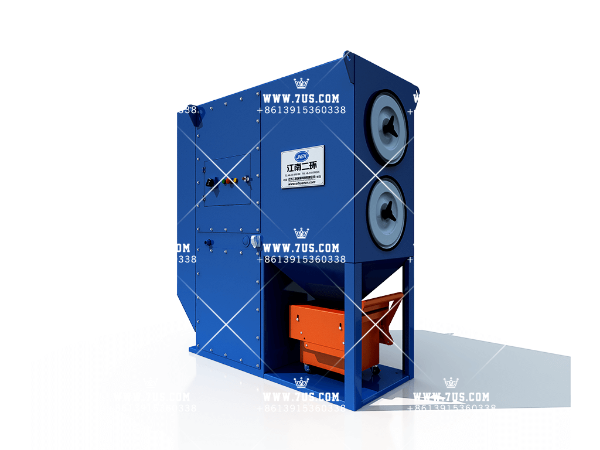
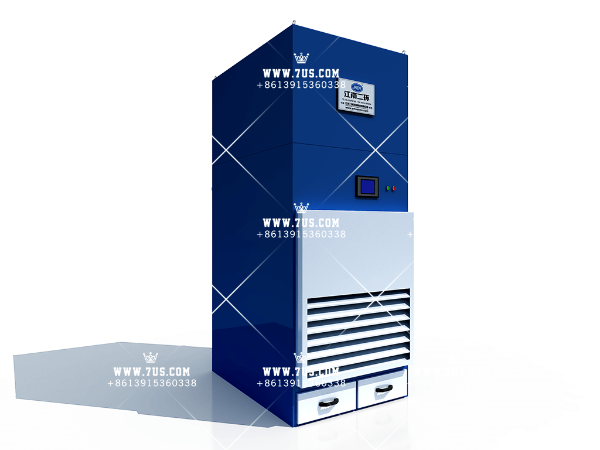
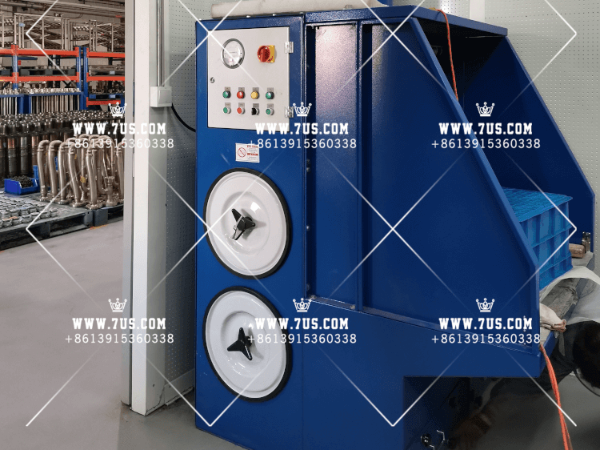
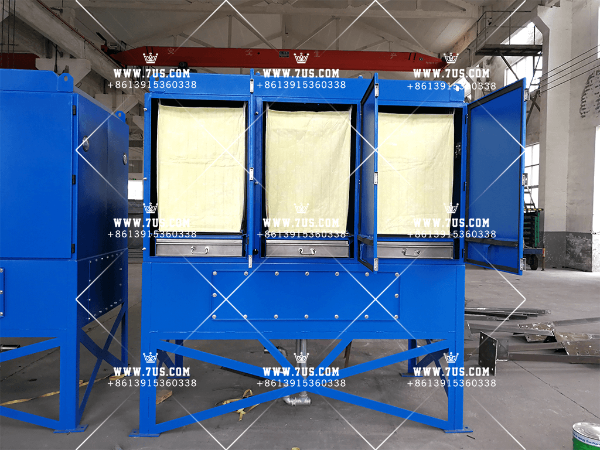
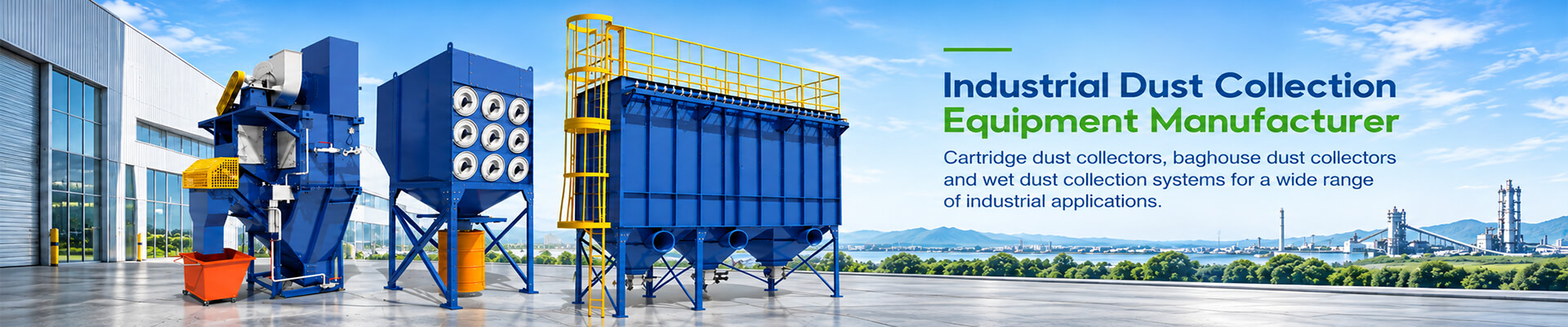
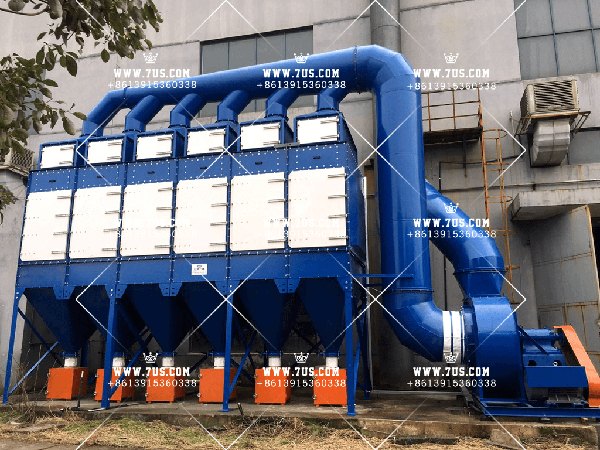
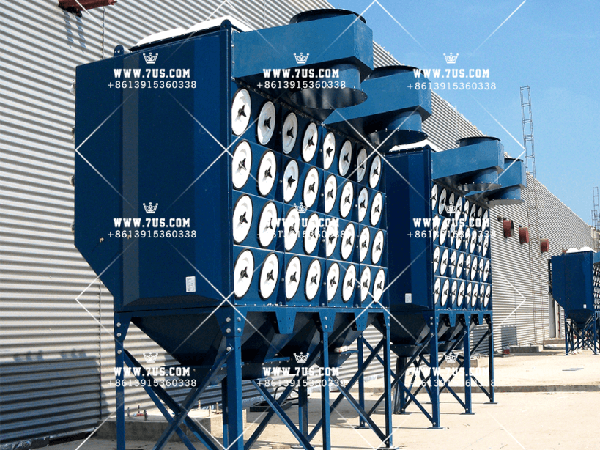
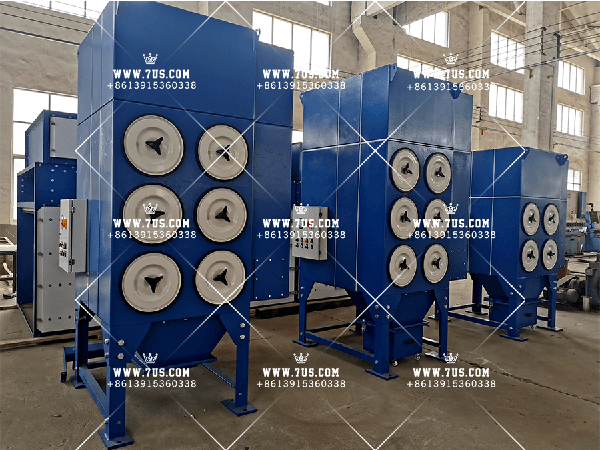
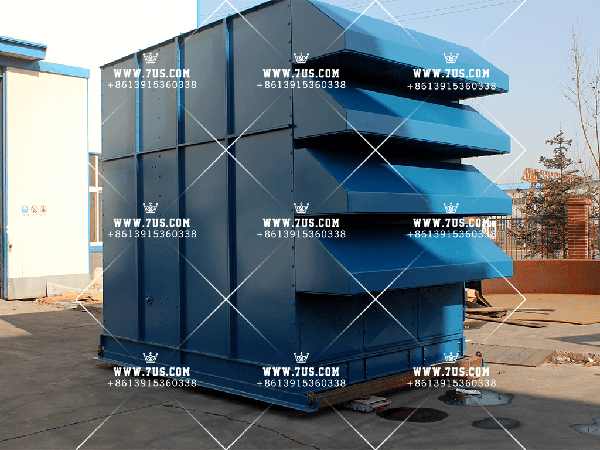
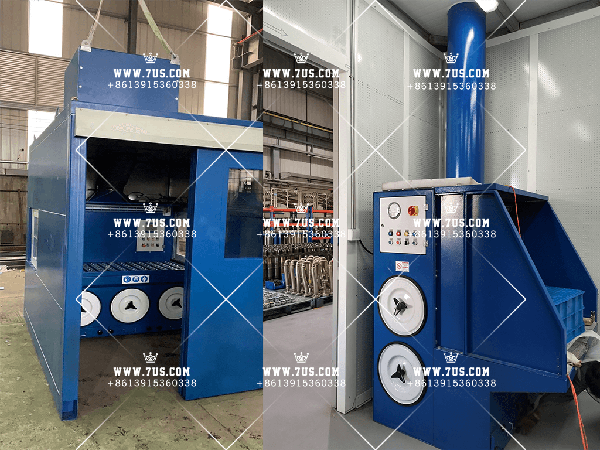
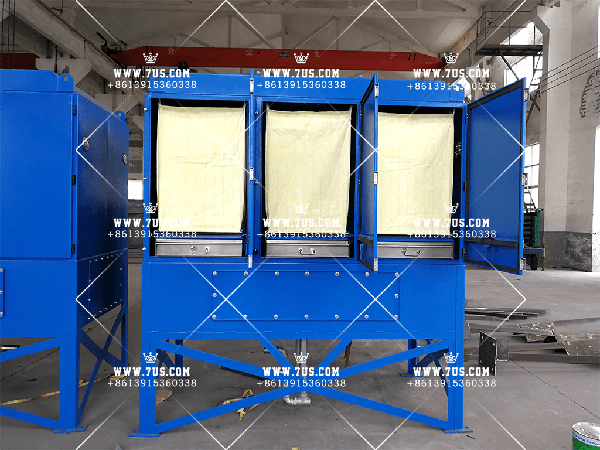
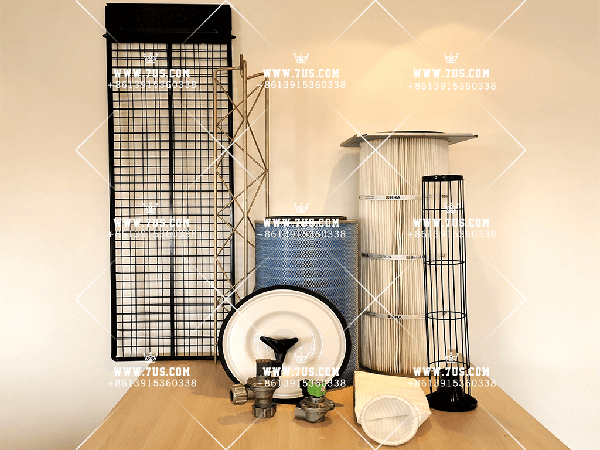
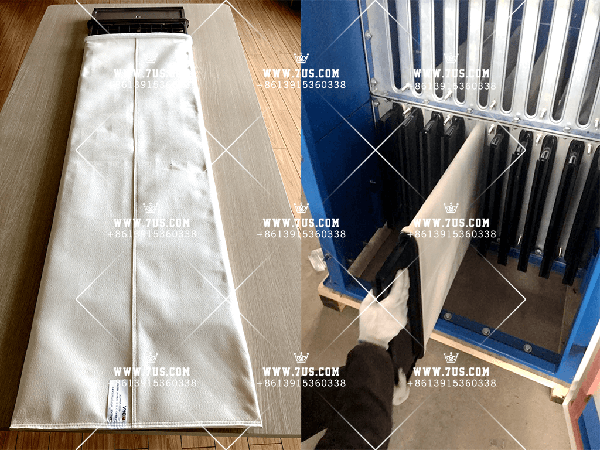
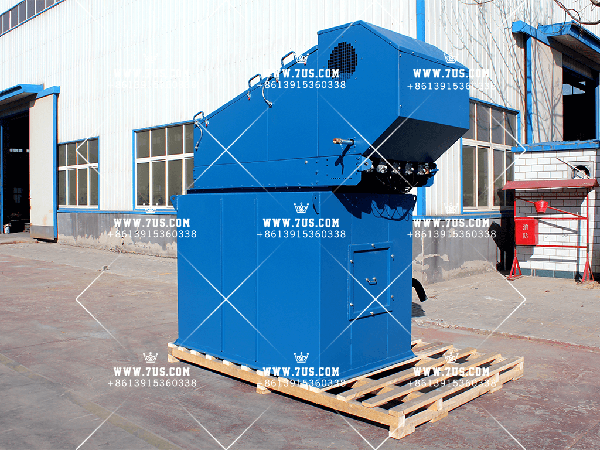
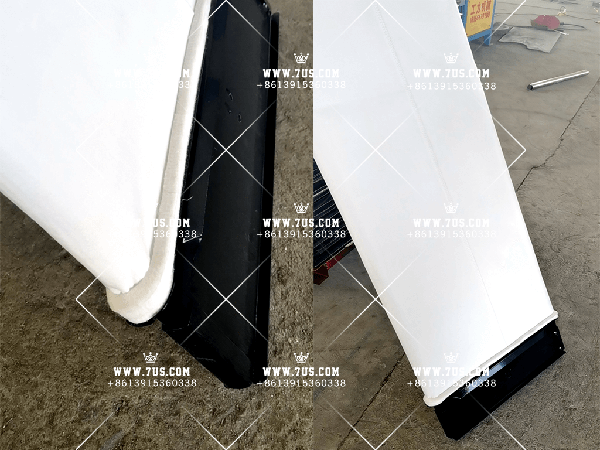
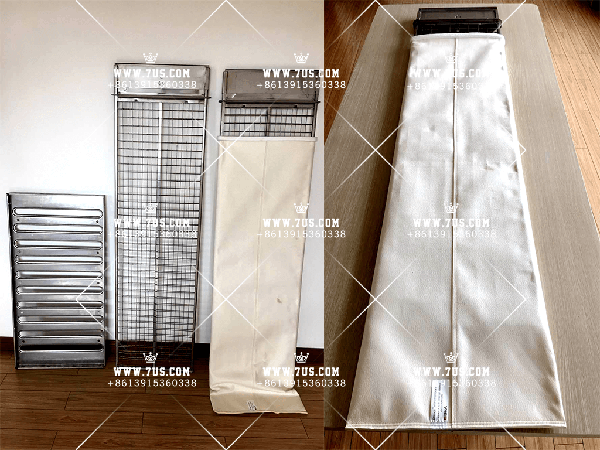
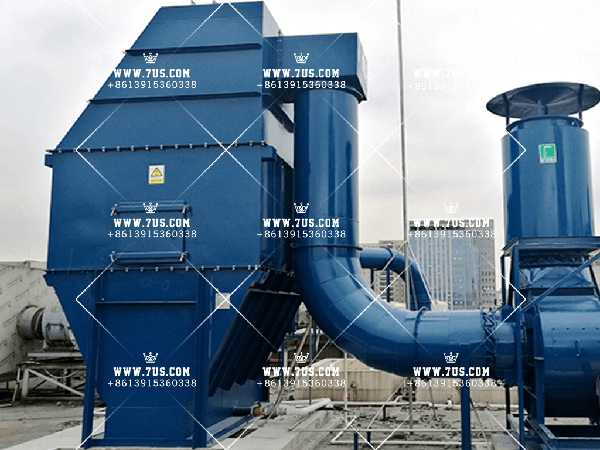
8. For dry grinding applications, flat bag, downflow cartridge or vertical cartridge dust collectors can be selected according to the dust characteristics, required airflow, filtration load and installation conditions.
Multi-Station Grinding Dust Collection
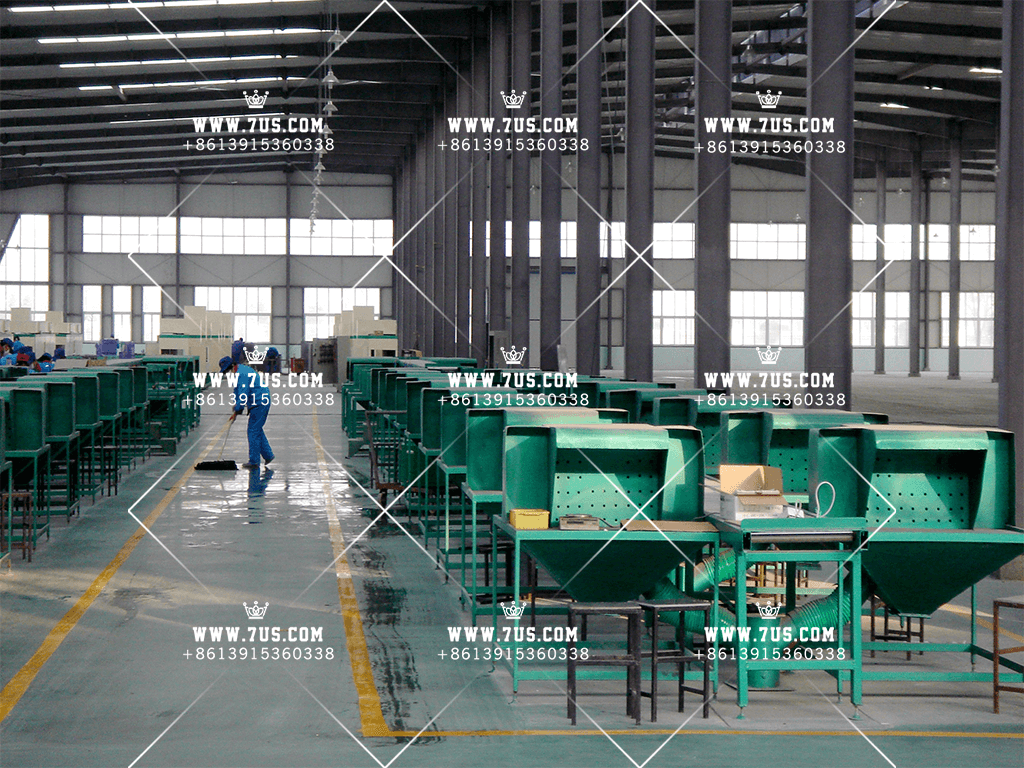
Centralized Grinding Extraction System
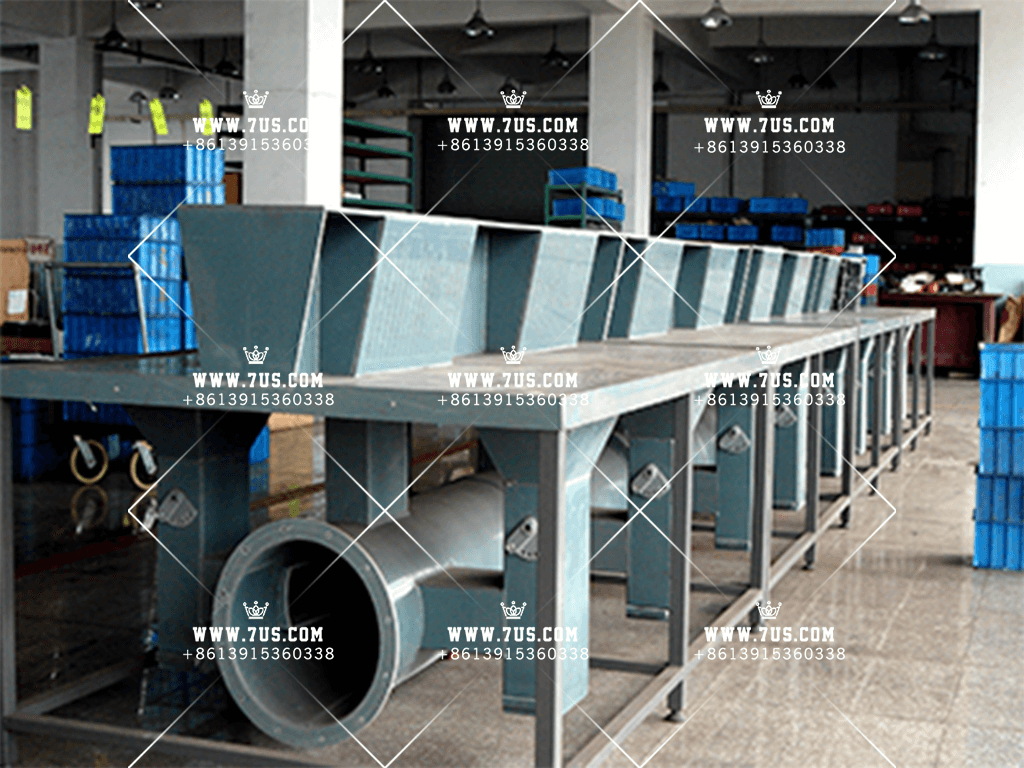
Grinding Workstation Dust Control
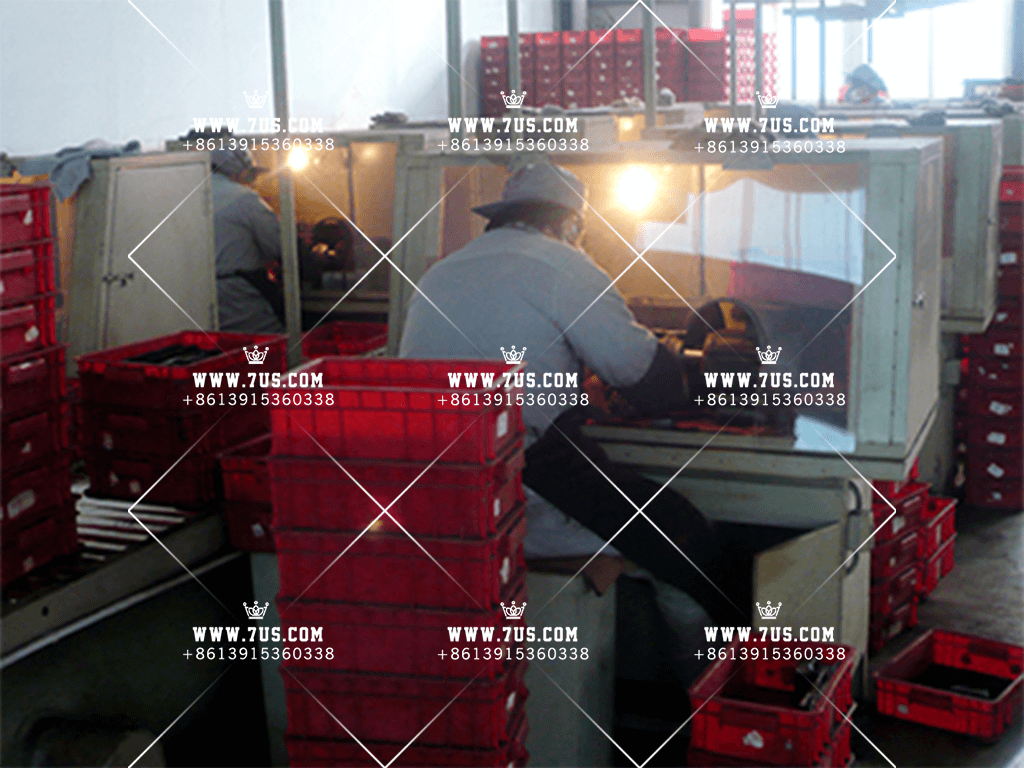
Central Duct Grinding Dust Collection
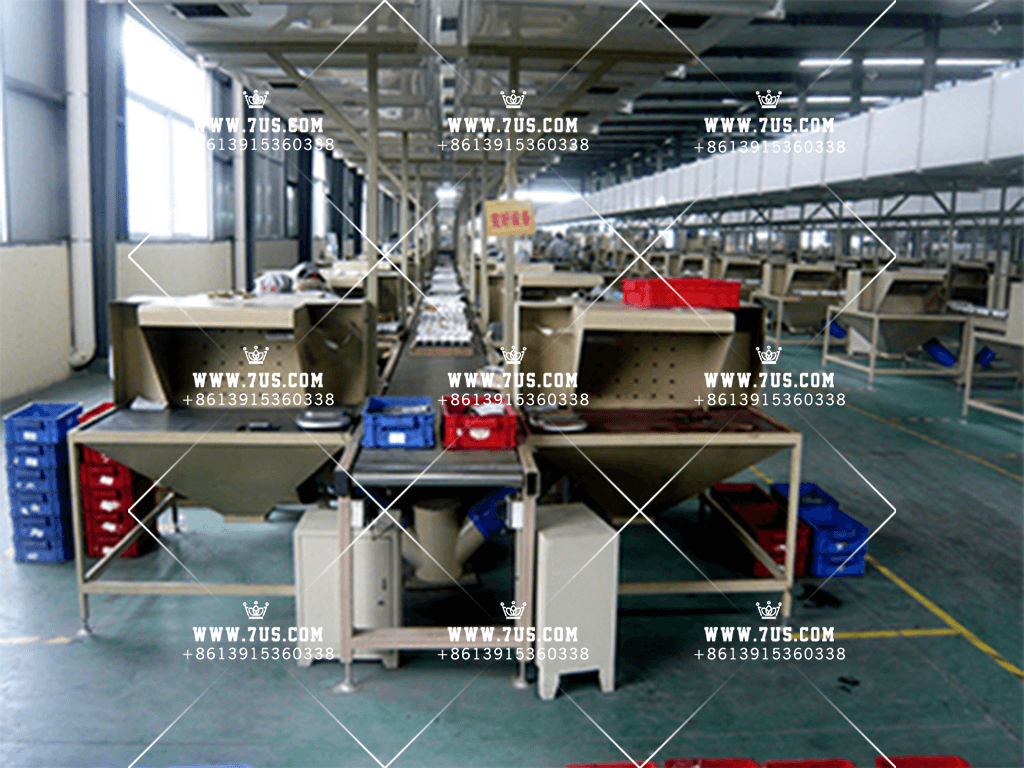
Industrial Multi-Station Grinding Extraction
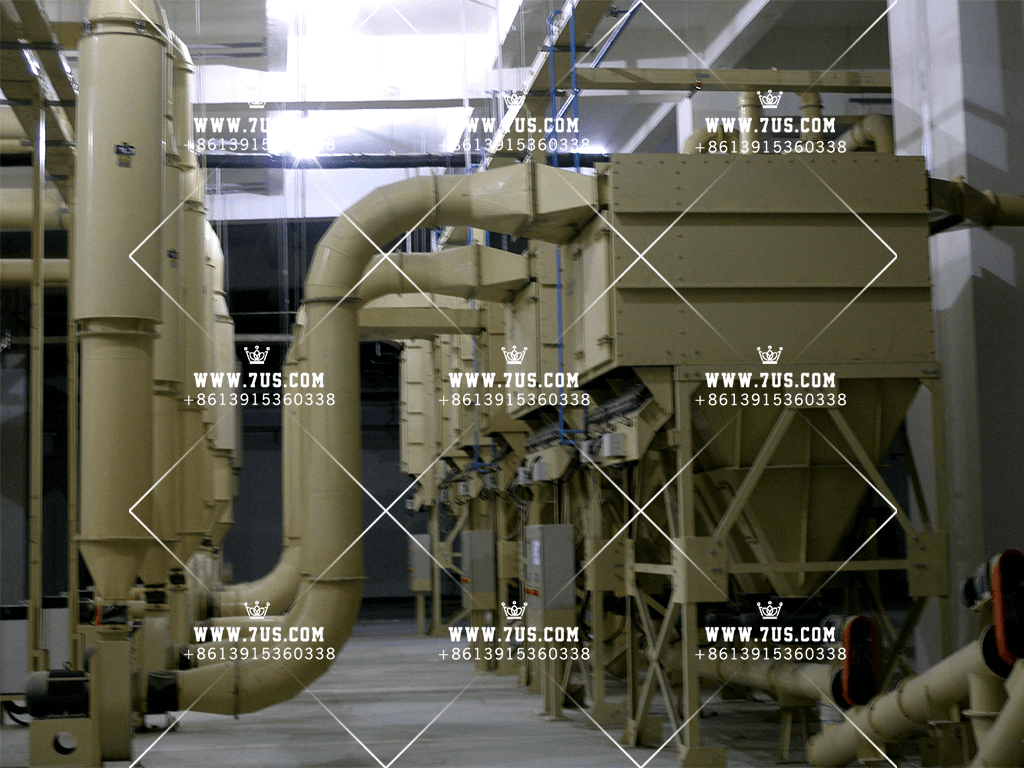
Flat Bag Dust Collector
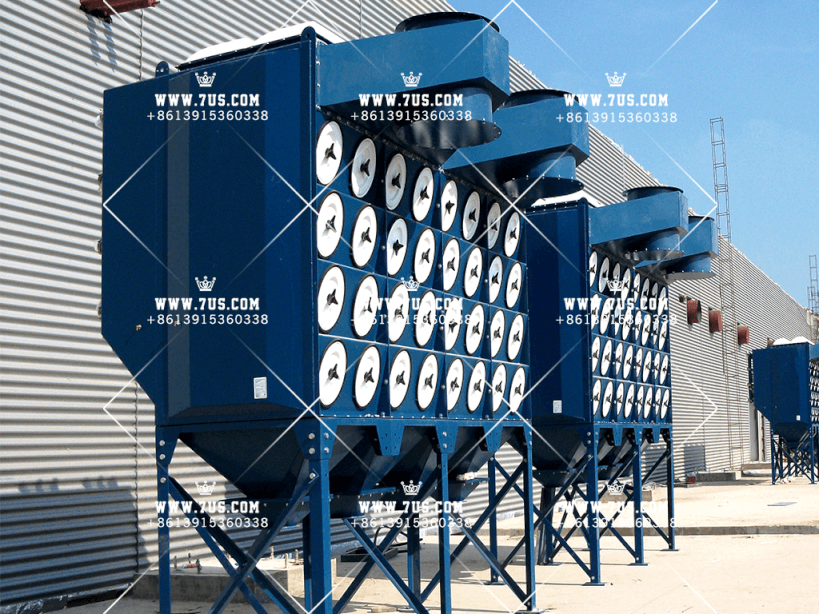
Downflow Cartridge Dust Collector
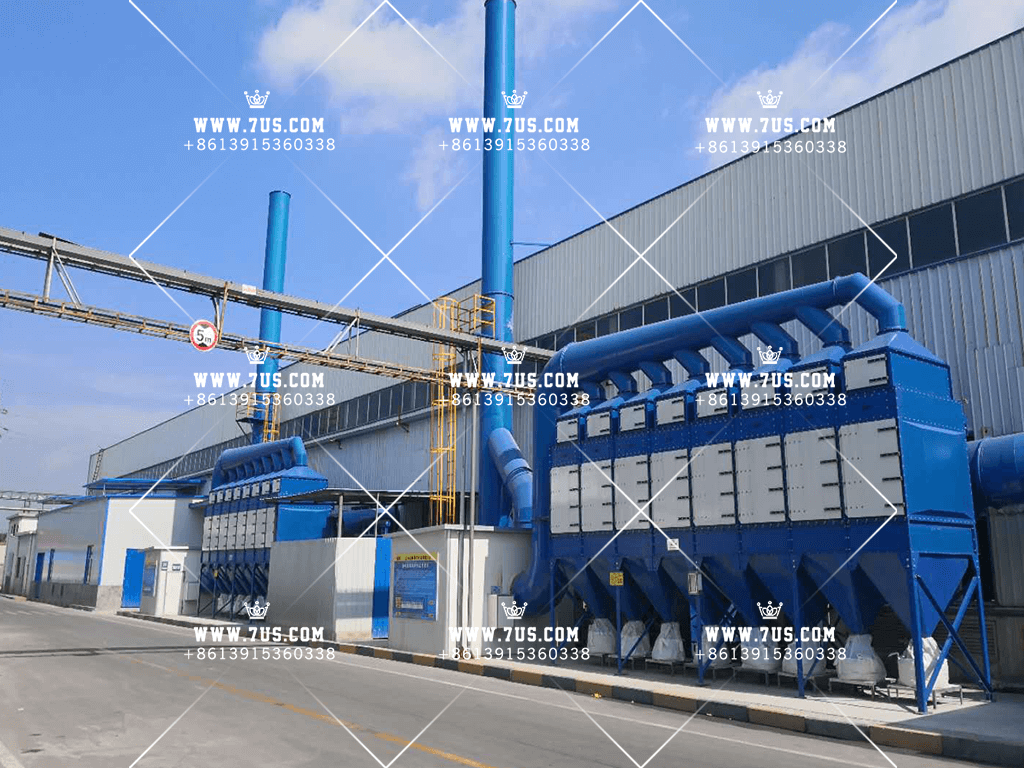
Vertical Cartridge Dust Collector
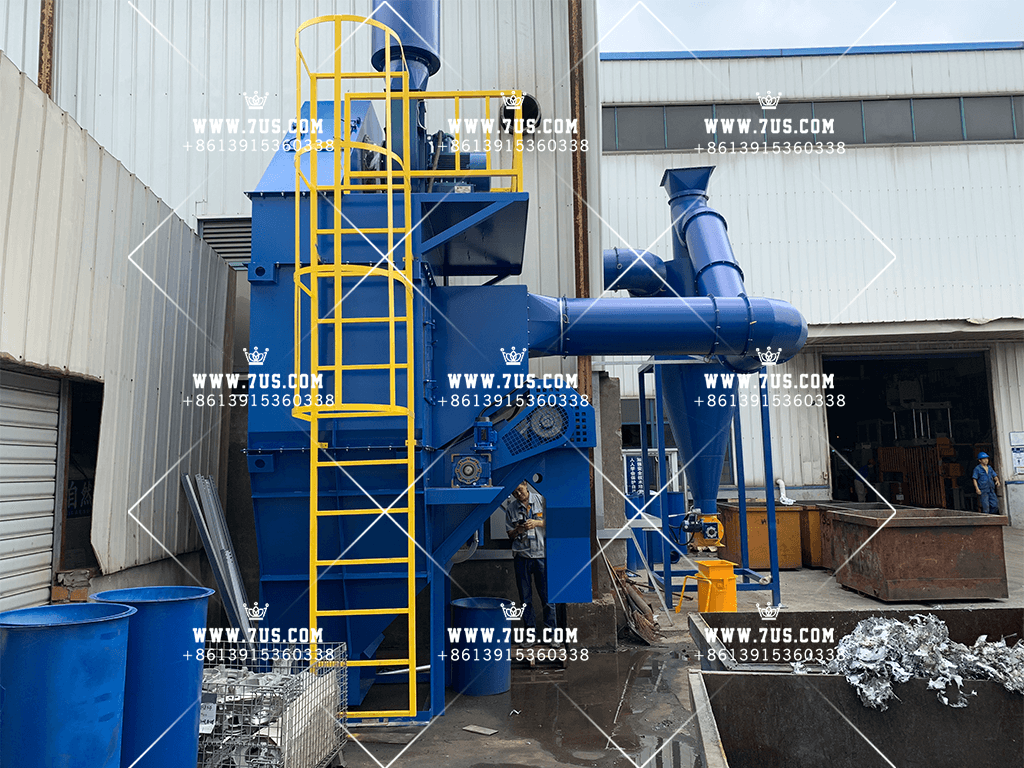
Wet Dust Collector
No. 173, Wuwei Industrial Zone, Xushe Town, Yixing, Jiangsu, China© 1994-2026 7US.com. All rights reserved | Privacy PolicySite map
Phone