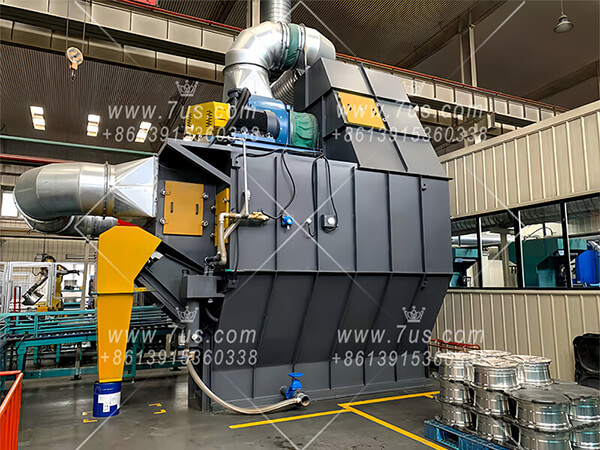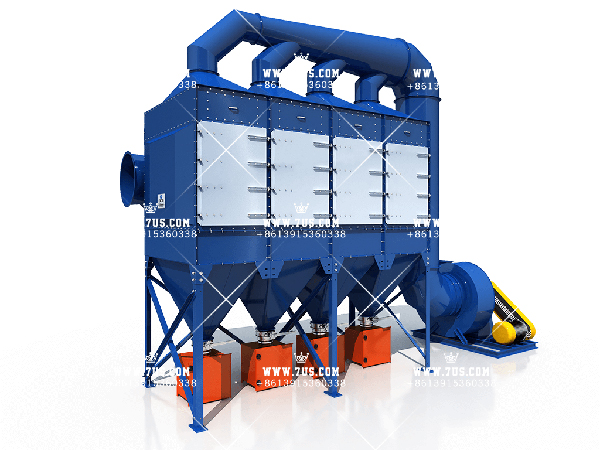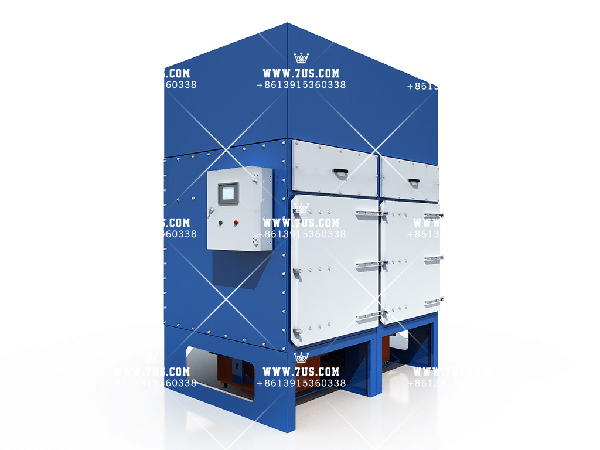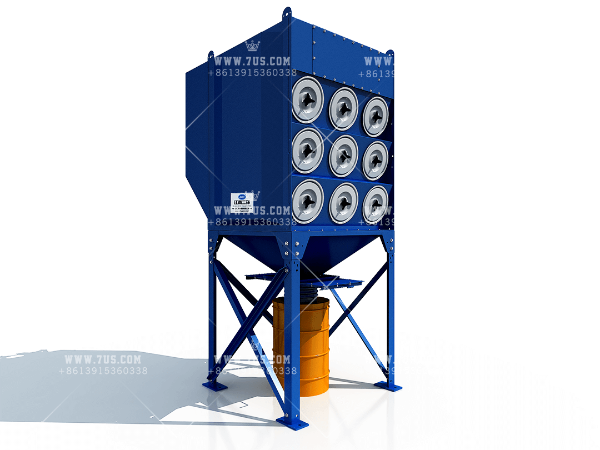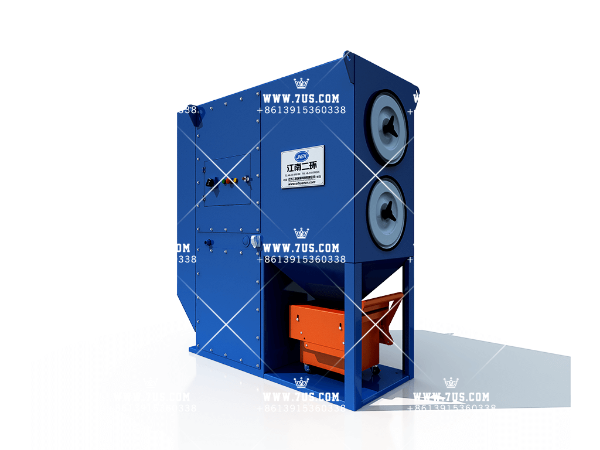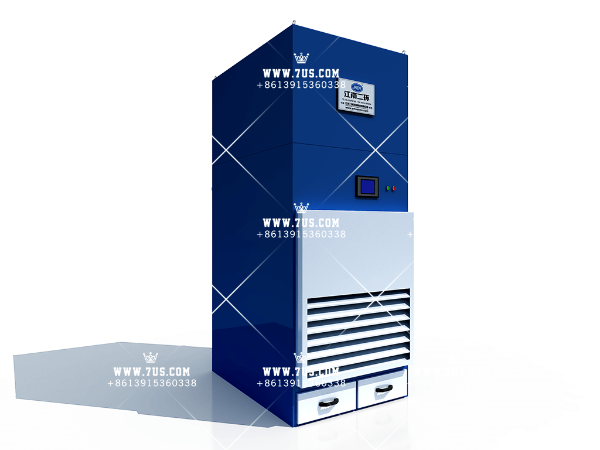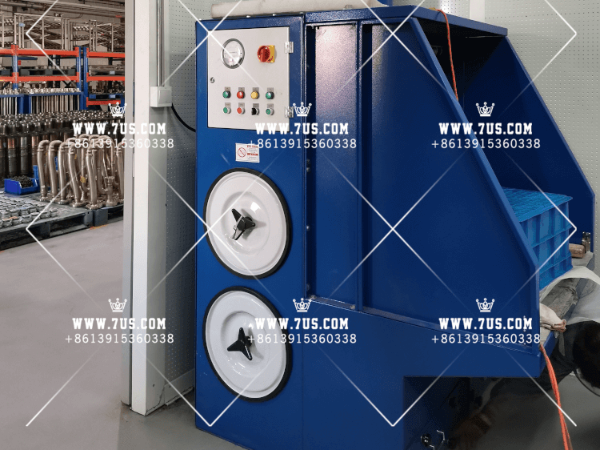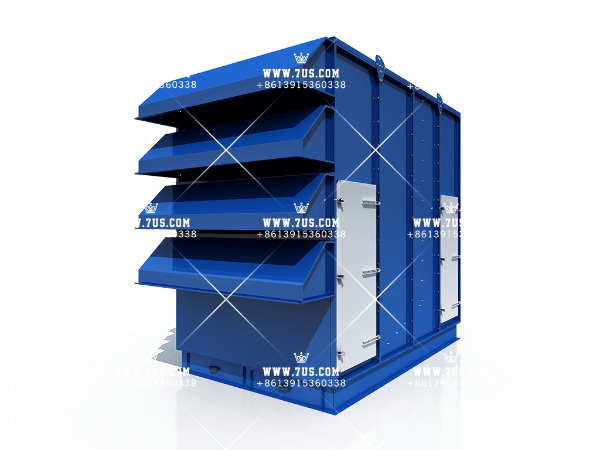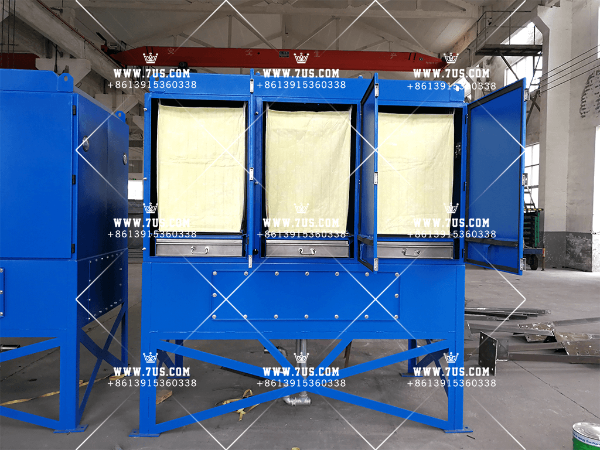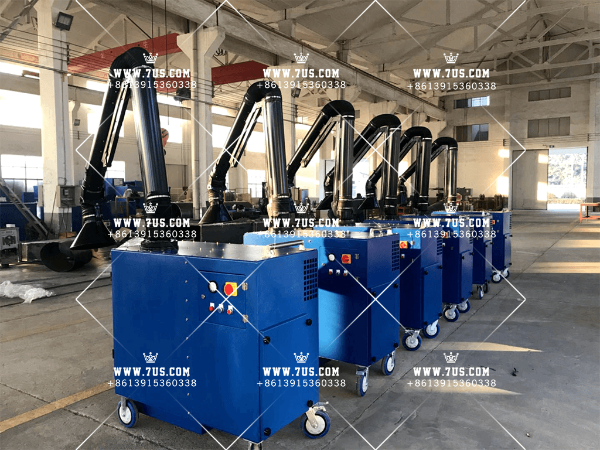


Wet dust collector for shot blasting machine
1. The shot blasting machine generates a large amount of smoke, dust, and harmful gases during the production process, which need to be effectively collected and purified.
2. When handling objects made of aluminum, magnesium, and titanium metals, the shot blasting machine should pay special attention to the risk of dust explosion caused by the fine powder of these alloy media.
3. During the process of shot blasting objects, high-speed projectiles impact the surface of the material, which can easily generate sparks and release high temperatures, posing a risk of fire.
4.If a dry filter dust collector is used, it is necessary to install explosion prevention devices, monitor sparks for ignition, and equip fire extinguishers.
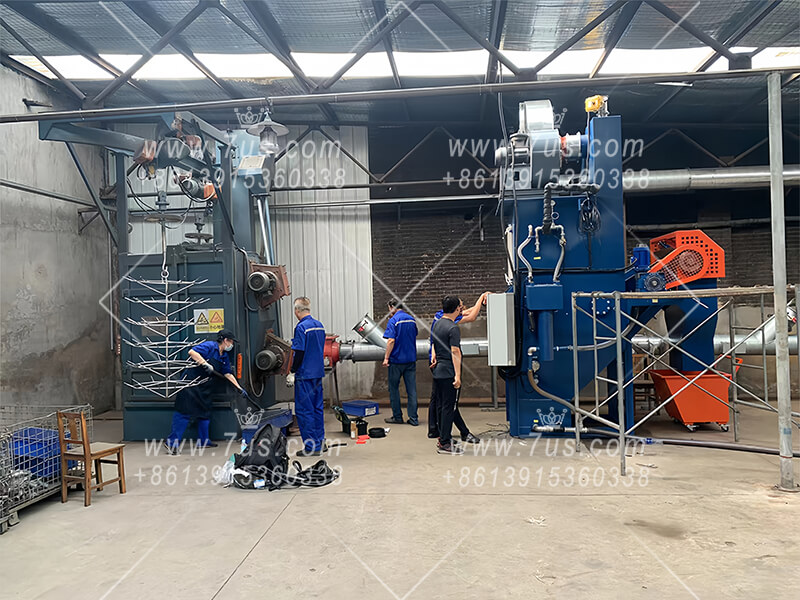
1.1The shot blasting machine generates a large amount of smoke, dust, and harmful gases during the production process, which need to be effectively collected and purified.
1.2 When handling objects made of aluminum, magnesium, and titanium metals, the shot blasting machine should pay special attention to the risk of dust explosion caused by the fine powder of these alloy media.
1.3 During the process of shot blasting objects, high-speed projectiles impact the surface of the material, which can easily generate sparks and release high temperatures, posing a risk of fire.
1.4 If a dry filter dust collector is used, it is necessary to install explosion prevention devices, monitor sparks for ignition, and equip fire extinguishers.
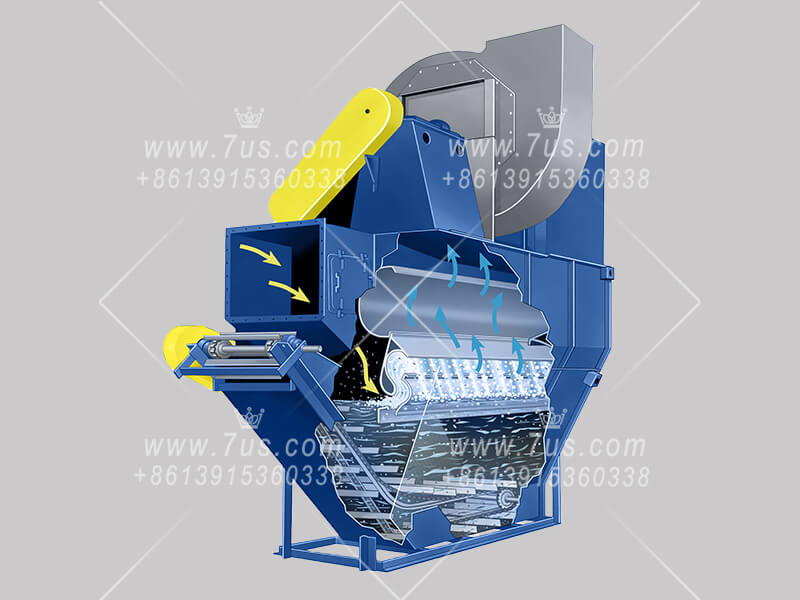
1.5 Fine powders of aluminum, magnesium, and titanium metals are prone to chemical reactions when exposed to water and release hydrogen gas. Our wet dust collector is equipped with a hydrogen safety release valve on the top.
1.6 Water is usually the cheapest material to prevent fire and explosion, so from a safety and economic perspective, choosing a wet dust collector for shot blasting machine dust removal is the smartest choice.
1.7 The wet dust collector specialized for shot blasting machine is used to scrape out the sediment in the water tank through a chain scraper and collect it in a container. When the water volume is insufficient, the system will automatically replenish water.
1.8 If you want to improve the accuracy of intercepting and filtering dust again, a wet dust collector+plate and frame bag filter+HEPA filter can reduce the final exhaust gas emission concentration to below 1 milligram/cubic meter.
Erhuan Road, Wuwei indusrial zone, Xushe Town, Yixing, Jiangsu China© 1994-2020 erhuancn.com. All rights reservedSite map
Phone