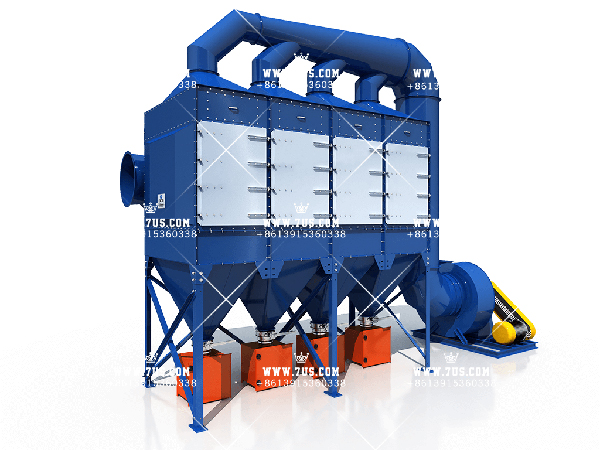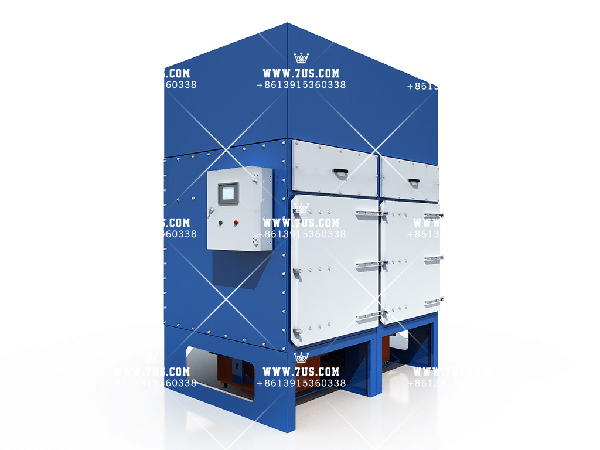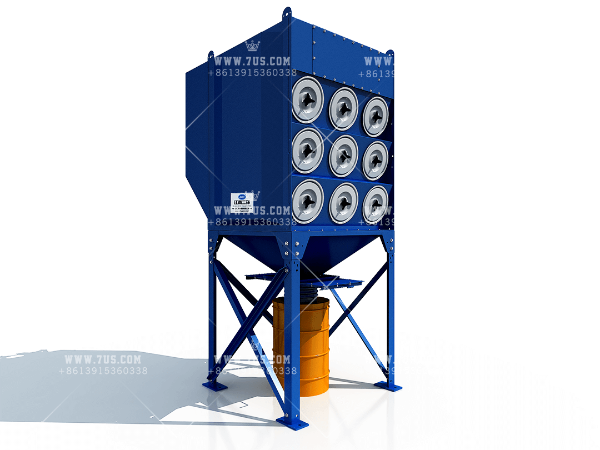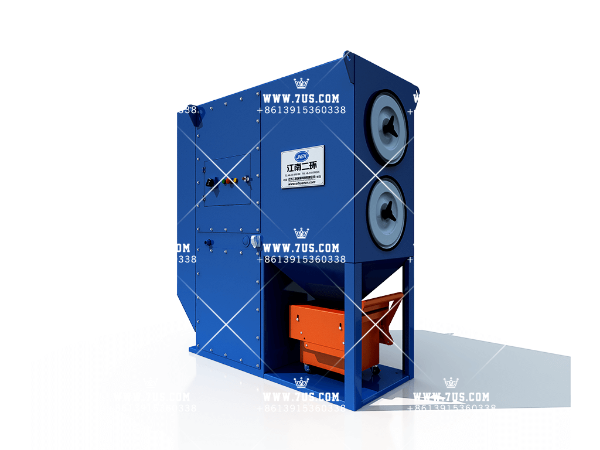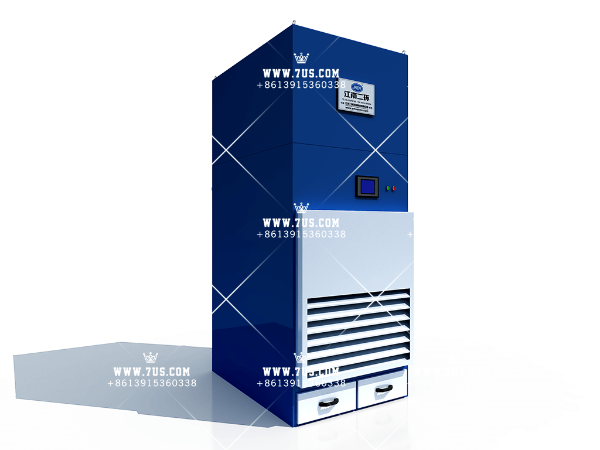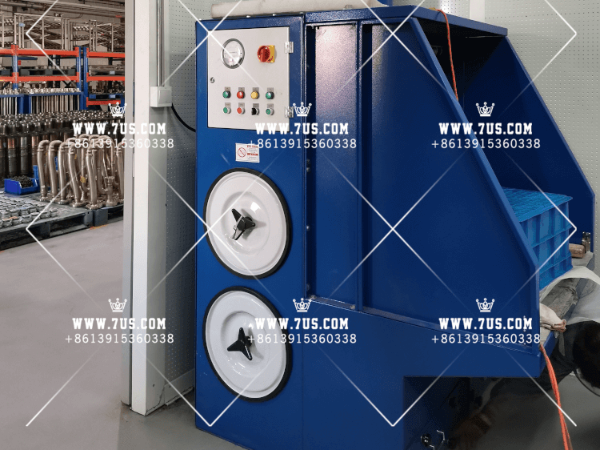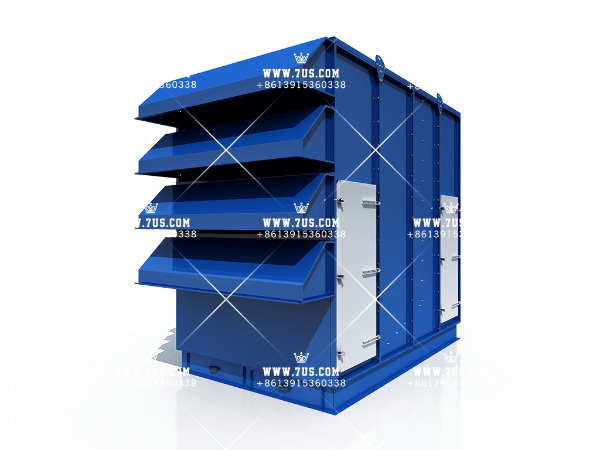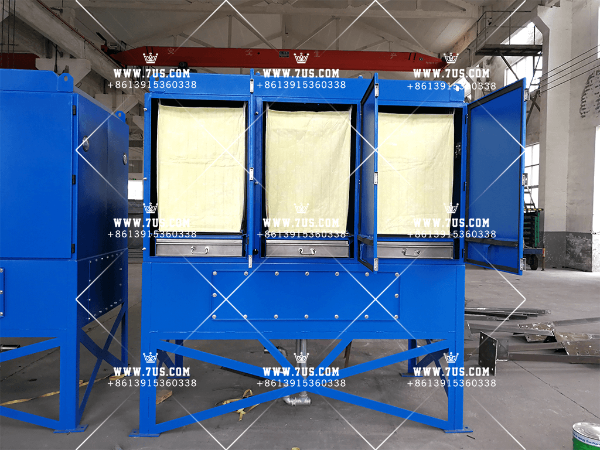

EHHVC Cartridge Central Vacuum Cleaning System
1. Product type: EHHVC cartridge central vacuum cleaning system designed for industrial high vacuum dust collection and factory cleaning applications.
2. The system consists of a central vacuum unit, pipeline network and multiple suction terminals, allowing several operators to perform cleaning work simultaneously.
3. With high negative pressure performance from approximately -30 kPa to -100 kPa, the system is suitable for collecting dust, particles and production residues over large industrial areas.
4. The filtration system uses cartridge filters with optional cyclone pre-separation and HEPA secondary filtration according to dust characteristics and cleanliness requirements.
5. Modular design allows flexible configuration of airflow, filtration area, suction points and installation layout according to different industrial applications.
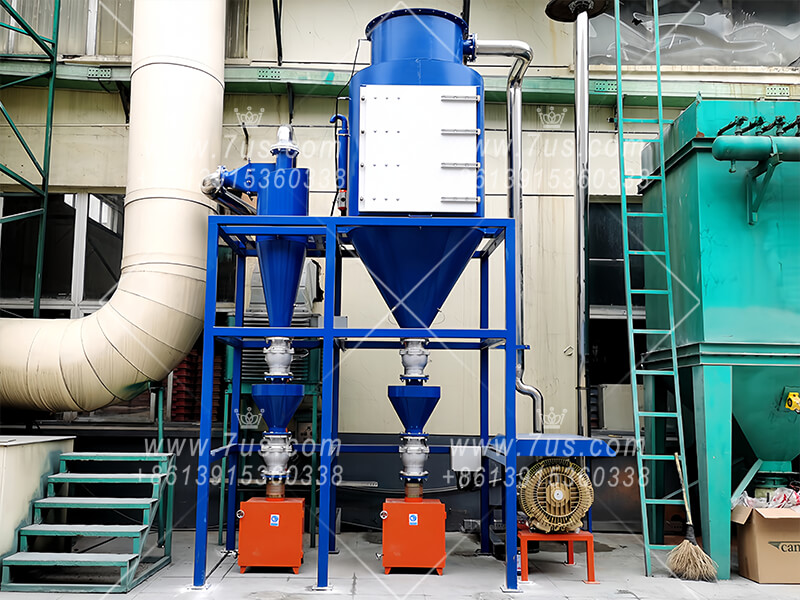
1.1. Product name: EHHVC Cartridge Central Vacuum Cleaning System.
1.2. Operating temperature: up to approximately 80°C. Available airflow configurations range from approximately 1,500 to 10,000 m³/h per unit, depending on the selected vacuum source and system design.
1.3. Typical operating negative pressure ranges from approximately -30 kPa to -100 kPa, allowing the system to serve long pipeline networks and multiple industrial suction terminals.
1.4. The main collector housing can be designed with a cylindrical structure to provide improved resistance to high negative pressure and reduce the risk of housing deformation.
1.5. The cartridge filtration section can be configured with a total filtration area of approximately 10 to 160 m² according to airflow, dust concentration and operating requirements.
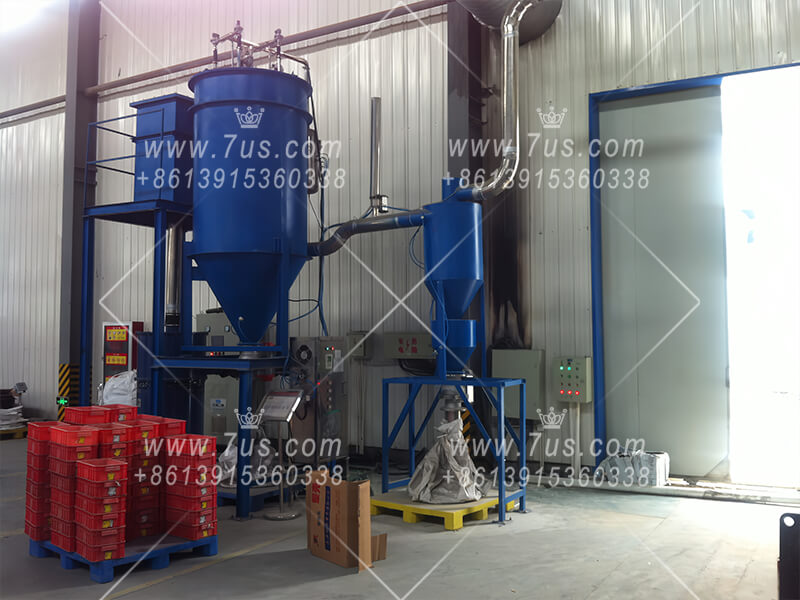
1.6. Filter cartridges can be supplied with PET filter media and PTFE membrane coating according to the collected dust and filtration requirements.
1.7. Filter cartridges can be arranged in side-mounted or top-mounted configurations according to the equipment structure and maintenance requirements.
1.8. Optional multi-stage filtration can combine cyclone pre-separation, cartridge filtration and HEPA final filtration where additional protection of the downstream vacuum fan is required.
1.9. The centralized system can be configured to support approximately 3 to 20 DN50 suction terminals operating simultaneously, depending on airflow, pipeline resistance and vacuum source capacity.
1.10. EHHVC systems are designed for industrial continuous-duty applications. The final configuration is selected according to dust characteristics, operating hours, suction points and site conditions.
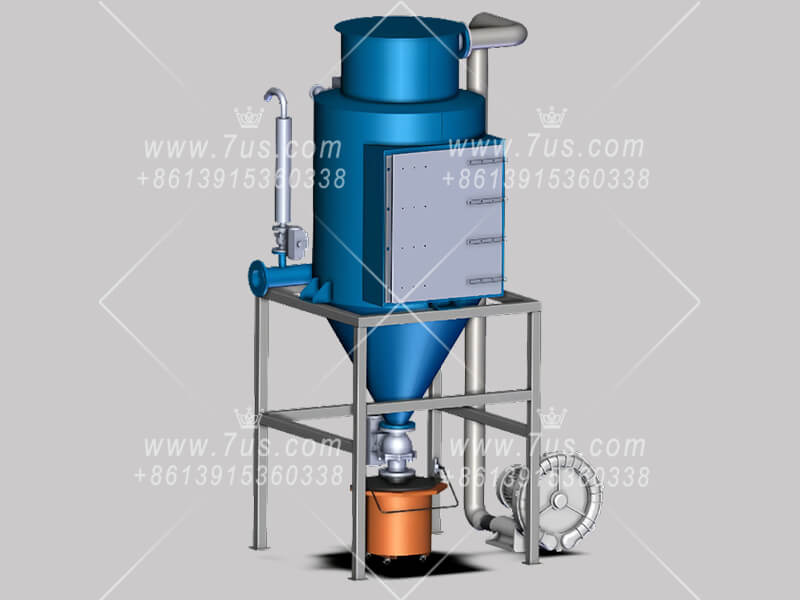
EHHVC Cartridge Central Vacuum Unit
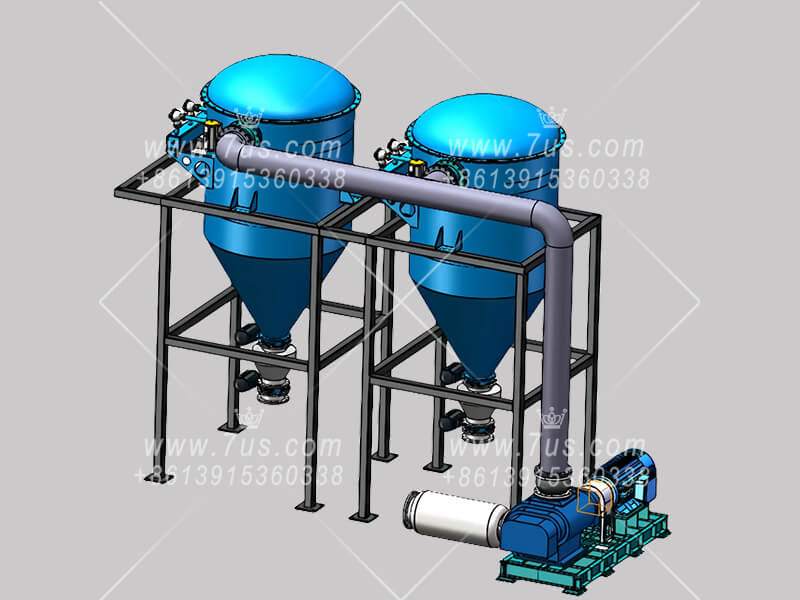
High Negative Pressure Industrial Vacuum System
Water-ring vacuum pumps can provide relatively high vacuum levels and are suitable for certain industrial vacuum applications. However, the available airflow of an individual pump should be evaluated against the number of suction points, pipeline length and required cleaning capacity before selection.
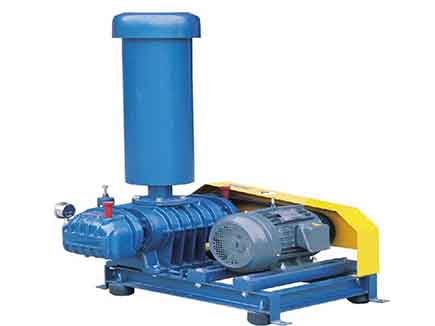
2. How is a Roots blower used in a central vacuum cleaning system?Roots blowers are widely used in pneumatic conveying and industrial air-handling applications. Their suitability for a central vacuum cleaning system depends on the required airflow, operating negative pressure and performance range of the selected blower.
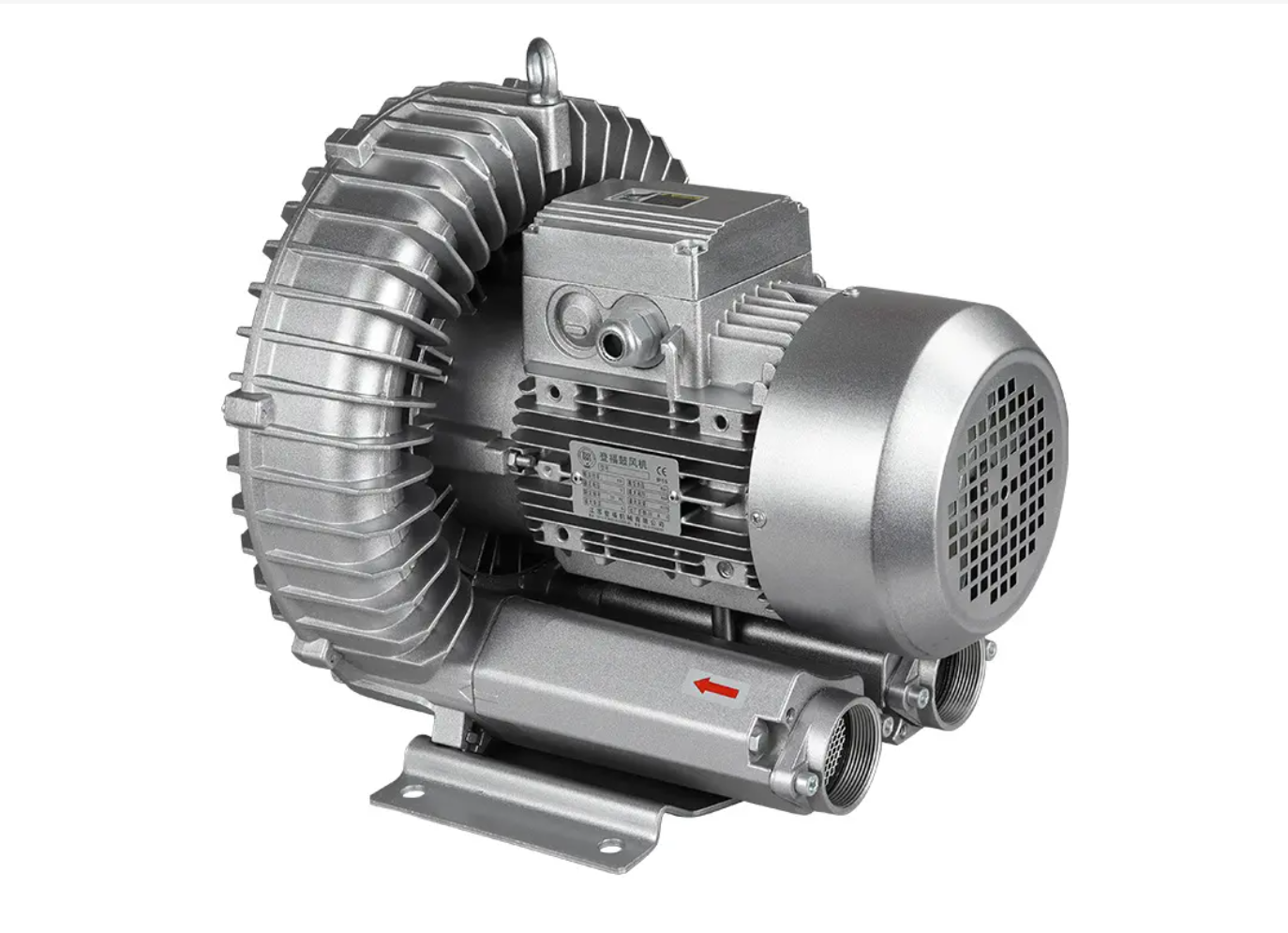
Regenerative turbine blowers are commonly used in compact industrial vacuum systems. They provide relatively simple construction and economical operation, but the allowable negative pressure, operating temperature and cooling conditions should be considered for continuous-duty applications.
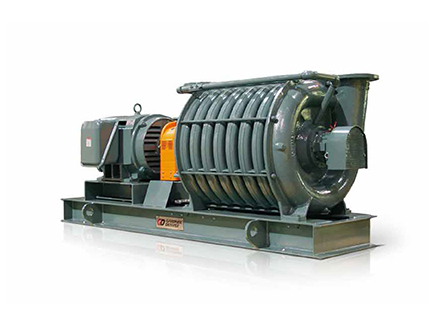
4. How are multi-stage centrifugal fans used in central vacuum cleaning systems?Multi-stage centrifugal vacuum fans are suitable for systems requiring relatively large airflow together with high negative pressure. Depending on the selected fan, temperature and vibration monitoring can be added to support reliable continuous operation.
5. Common pressure and airflow unit conversions
0.1 MPa = 100 kPa = 100,000 Pa = 1 bar = 1,000 mbar
1,000 L/min = 1 m³/min = 60 m³/h
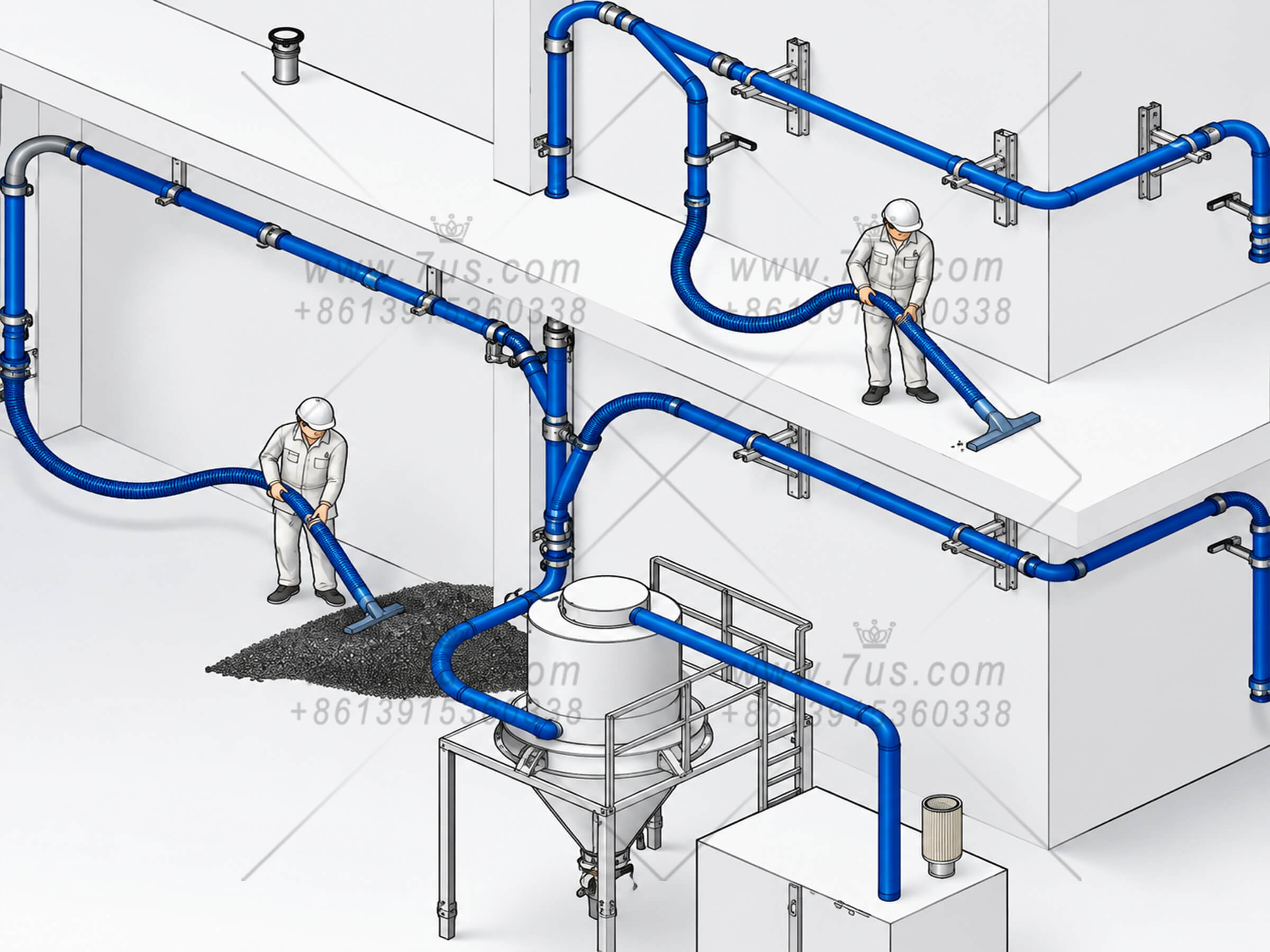
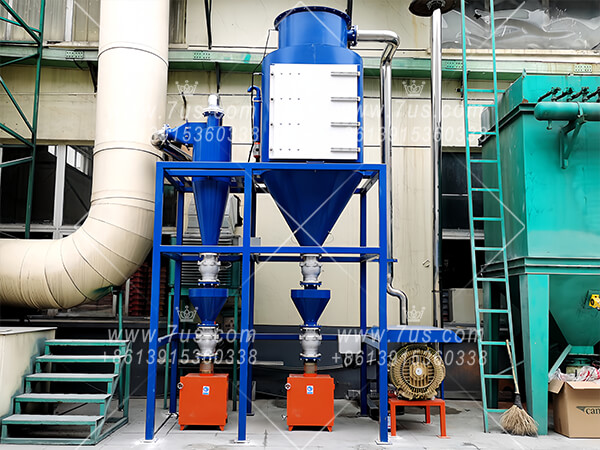
1.1. The EHHVC central vacuum cleaning system consists of a central vacuum source, filtration unit, pipeline network and multiple suction terminals.
1.2. It is designed for large industrial facilities where several cleaning points or operators may need to use the vacuum network at the same time.
1.3. Dust and particulate are collected at the suction terminal and transported through the negative-pressure pipeline to the central separation and filtration unit.
1.4. Compared with using many independent vacuum cleaners, a centralized system allows vacuum generation, filtration, dust collection and discharge to be managed from one central station.
1.5. Airflow and negative pressure are selected according to the number of simultaneous suction points, terminal diameter, pipeline length, material characteristics and required cleaning performance.
1.6. Central vacuum cleaning systems typically operate with relatively low airflow and high negative pressure. Fan power should therefore be selected from the actual system operating point rather than from airflow alone.
Positive pressure systems push air into equipment, while negative pressure systems use a vacuum source to draw air and dust through pipelines.
In central vacuum cleaning applications, the vacuum source creates negative pressure to transport
dust and particles from suction terminals to the central filtration unit.
High negative pressure creates suction forces on the equipment housing.
Therefore, industrial vacuum collectors require suitable structural strength to prevent deformation under continuous negative pressure operation.
Cylindrical
housings generally provide better resistance to external pressure compared with conventional square structures.
When suction valves are closed or pipelines are blocked, the vacuum fan may operate under abnormal conditions.
Pressure monitoring, relief devices and control interlocks can be configured according to system requirements to protect the
vacuum equipment.
For high dust concentration or continuous operation applications, multi-stage filtration can improve system protection.
A typical configuration may include cyclone pre-separation, cartridge filtration and optional HEPA filtration depending
on dust characteristics and cleanliness requirements.
The filtration arrangement should be selected according to the collected material, airflow and required protection level.
Pipeline diameter, airflow velocity, pipeline length and the number of suction terminals directly affect system performance.
For combustible dust applications, pipeline design should also consider dust transport velocity, grounding and
applicable explosion protection requirements.
A frequency converter can help control motor operation, reduce starting current impact and provide adjustment according to system requirements.
The adjustment range should be selected according to the fan performance curve to avoid unstable
operation.
Offline cleaning stops operation before dust removal, which is suitable for applications with lower dust loading or intermittent operation.
Online cleaning allows continuous operation by using suitable discharge and cleaning arrangements
for applications requiring long operating periods.
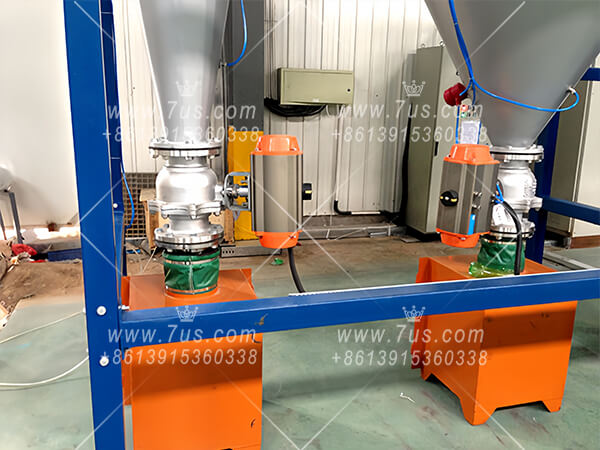 Single Stage Valve: Offline Dust Cleaning
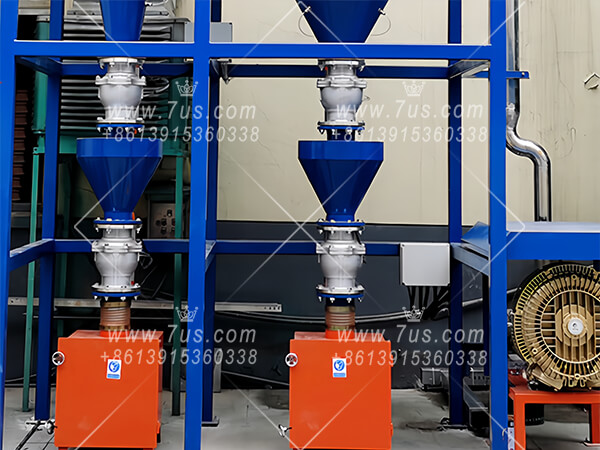 Double Stage Valve: Online Dust Cleaning
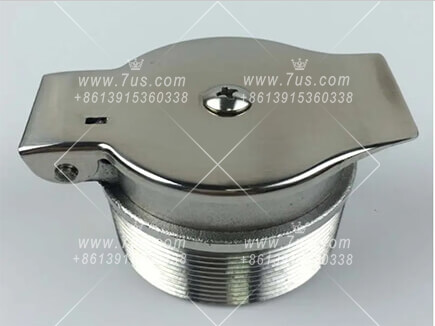
Quick Insertion Valve
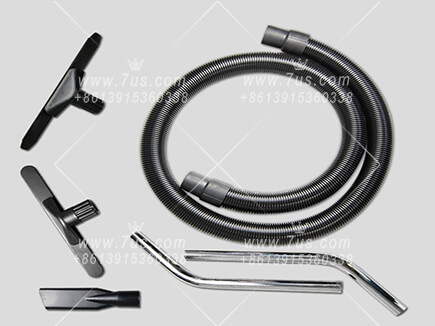
DN40 Vacuum Suction Nozzle
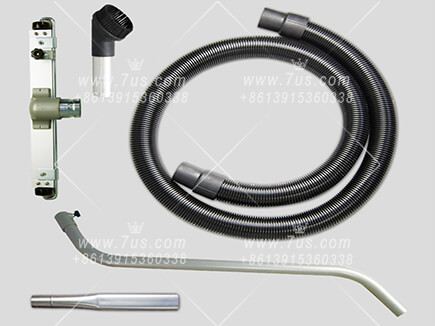
DN50 Stainless Steel Suction Nozzle
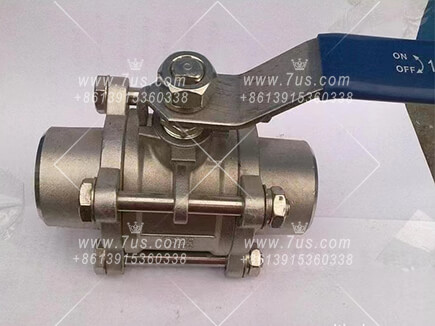
Pipeline Lock Valve
1. Grain processing industry: Dust collection from screening, crushing, mixing and material transportation processes.
2. Food processing industry: Dust generated during raw material handling, mixing, conveying and packaging processes.
3. Flour and starch production: Dust control for grinding, conveying and packaging operations.
4. Composite materials industry: Dust collection from cutting, grinding and processing operations.
5. Chemical industry: Collection of production dust and particles according to material characteristics.
6. Power plants: Cleaning of accumulated dust, ash and loose materials in production areas.
7. Steel plants: Cleaning of dust, scale and production residues from industrial areas.
8. Foundries: Collection of casting sand, metal particles and production residues.
9. Mechanical processing plants: Collection of machining chips and industrial dust.
10. Cement plants: Material handling, cleaning and dust collection applications.
11. Shipyards: Removal of welding residues, abrasive materials and production waste.
12. Wood processing plants: Collection of sawdust and woodworking residues.
No. 173, Wuwei Industrial Zone, Xushe Town, Yixing, Jiangsu, China© 1994-2026 7US.com. All rights reserved | Privacy PolicySite map
Phone