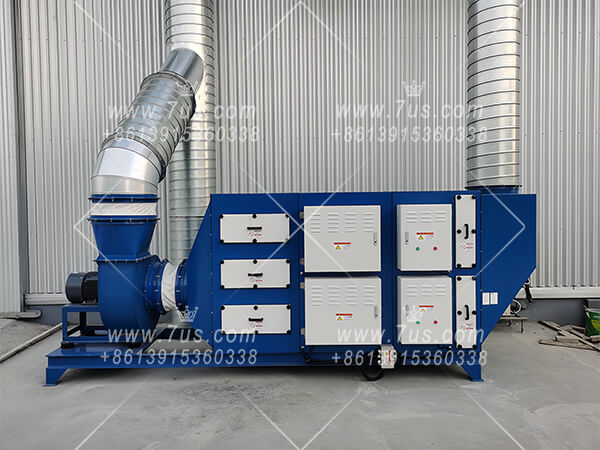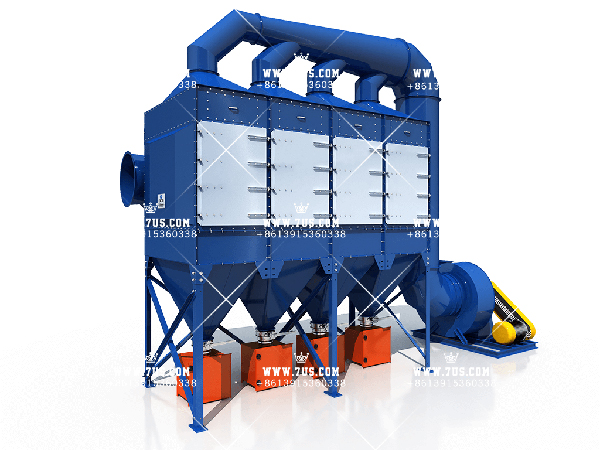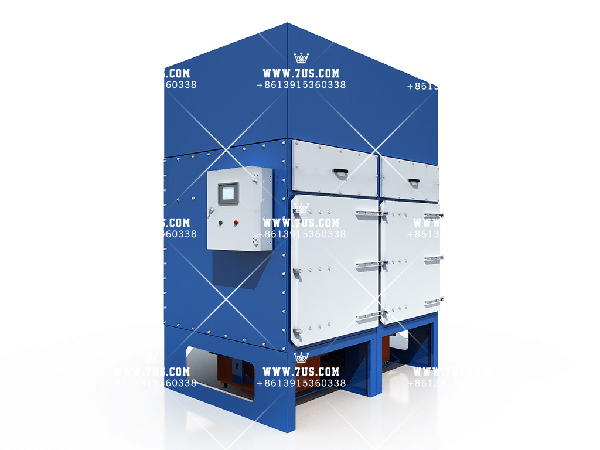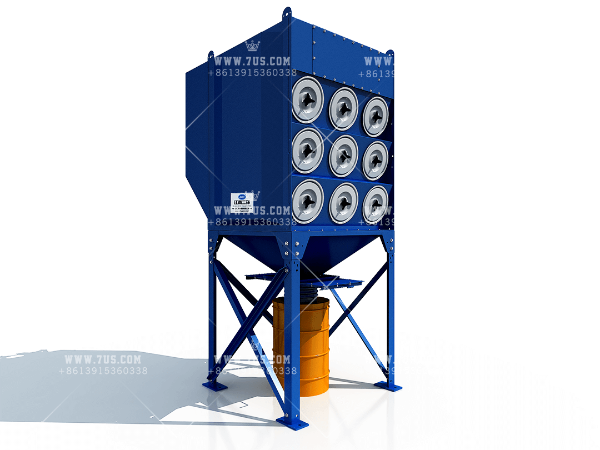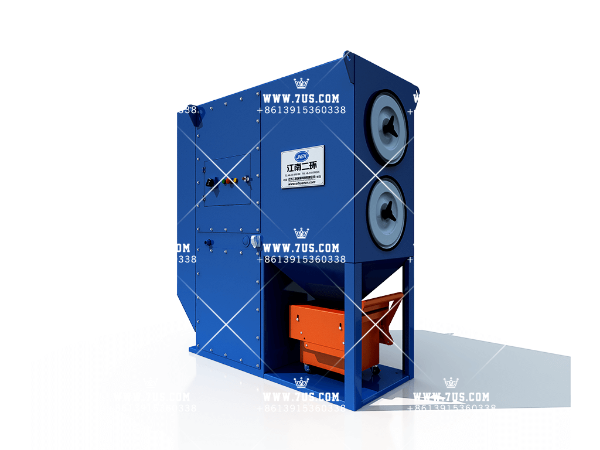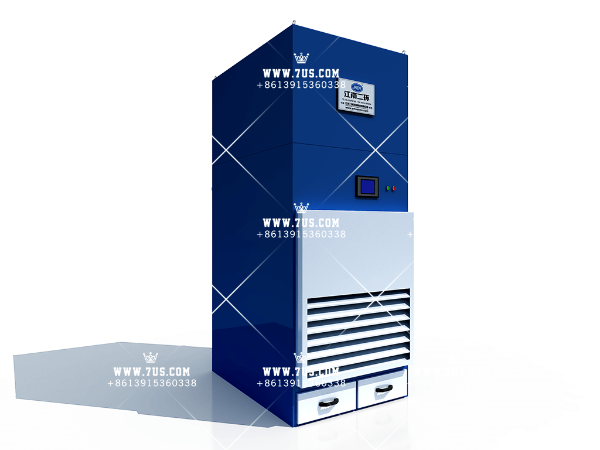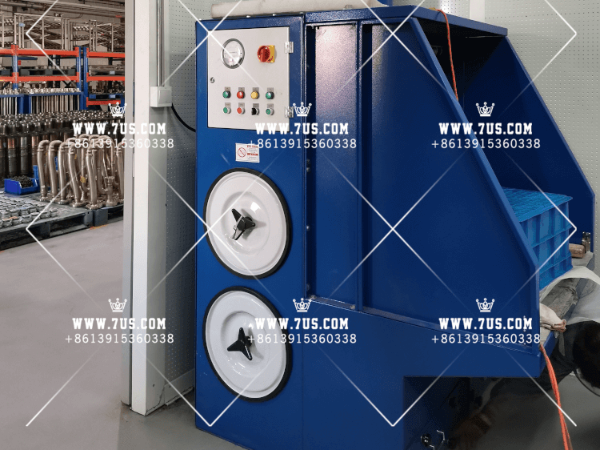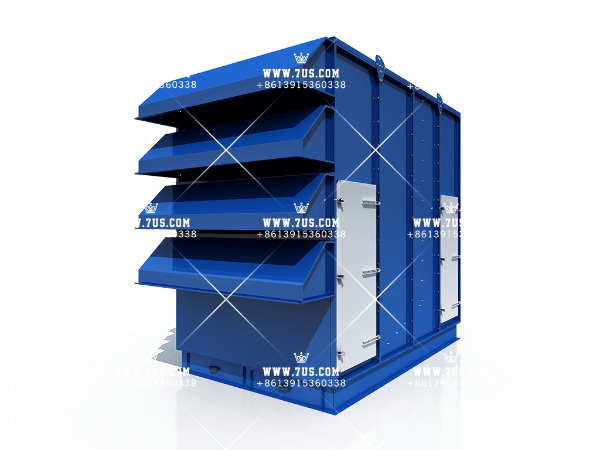

UV Photocatalytic Oxidation Exhaust Gas Purification Device
1. UV-C ultraviolet light irradiates the titanium dioxide catalyst to promote photocatalytic oxidation and generate reactive oxygen species for organic pollutant treatment.
2. The system can be combined with spray washing or other pretreatment processes according to different exhaust gas conditions to improve purification performance.
3. Photocatalytic oxidation helps break down organic pollutant molecules into smaller substances such as carbon dioxide and water.
4. Activated carbon adsorption can be added as a subsequent filtration stage to assist VOC reduction and odor control.
5. Modular manufacturing and assembly allow flexible transportation and installation according to container dimensions and project requirements.
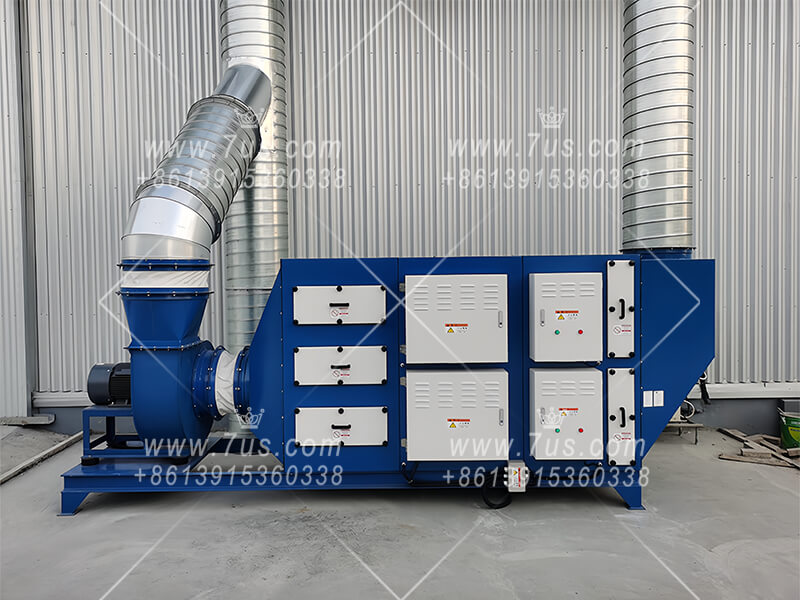
1.1 Product name: UV photocatalytic oxidation exhaust gas purification device. Customized solutions are available according to application requirements, with an airflow range of 1000-100000 CMH.
1.2 UV-C ultraviolet light irradiates the titanium dioxide catalyst to promote photocatalytic oxidation and generate reactive oxygen species for the treatment of organic pollutants.
1.3 Organic pollutant molecules are decomposed through photocatalytic oxidation reactions into smaller substances such as carbon dioxide and water.
1.4 The treated exhaust gas can be further processed through activated carbon adsorption to assist VOC reduction and odor control.
1.5 Suitable for the treatment of various industrial odor sources and exhaust gas containing organic pollutants.
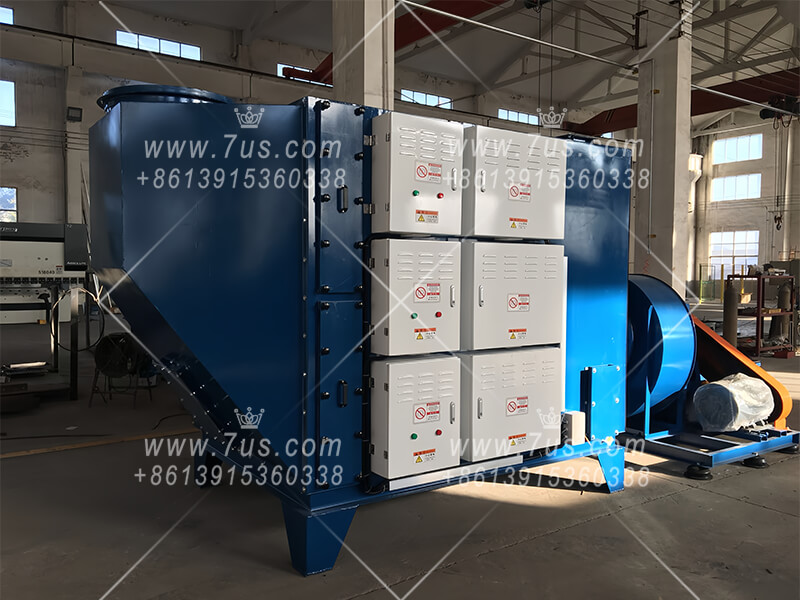
1.6 Activated carbon contains a large number of microporous structures. The internal surface area of activated carbon allows it to adsorb various organic compounds and odor-causing substances.
1.7 It can assist in reducing various odor substances such as ammonia, hydrogen sulfide, methyl mercaptan, styrene, dichloroethane, and other inorganic odor compounds depending on application conditions.
1.8 No additional heating system or auxiliary equipment is required for normal operation according to the designed process configuration.
1.9 Design services: According to your installation space and application requirements, we can provide equipment drawings, installation guidance, and technical support.
1.10 International transportation: The equipment dimensions are designed according to container transportation requirements for convenient overseas shipment.
No. 173, Wuwei Industrial Zone, Xushe Town, Yixing, Jiangsu, China© 1994-2026 7US.com. All rights reserved | Privacy PolicySite map
Phone