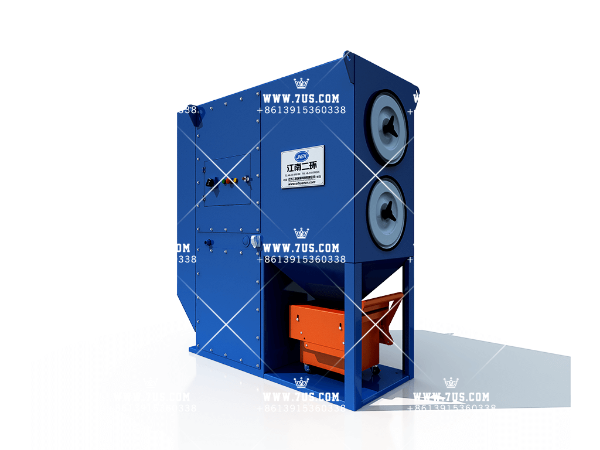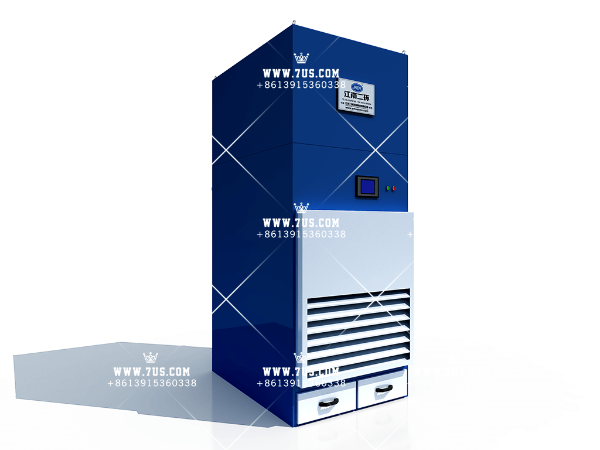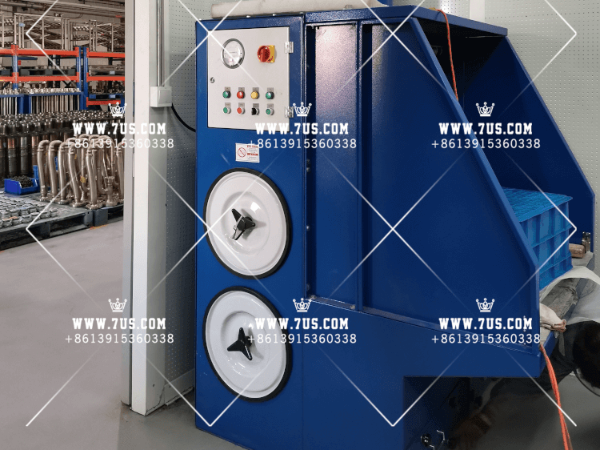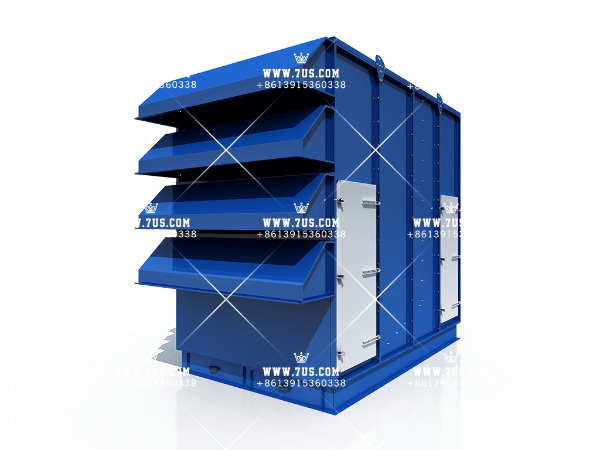

Hopper-Top Powder Feeding Station with Dust Collection
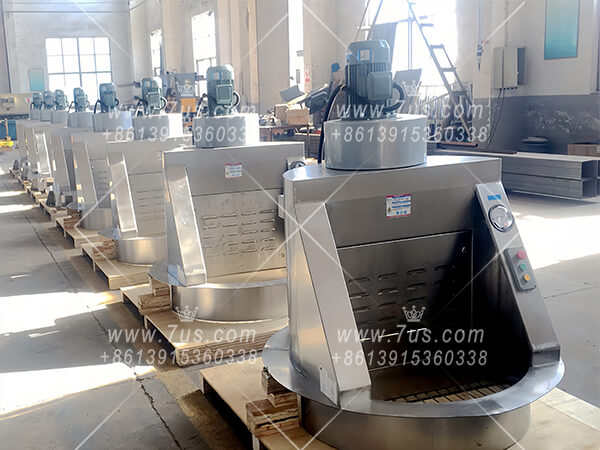
1. Product type: Hopper-top powder feeding station with integrated cartridge dust collection for controlled handling of dry powder materials.
2. Application: Designed to capture airborne dust generated during manual bag feeding or bulk bag discharge directly above a receiving hopper or process vessel.
3. The feeding section can be configured for manual small-bag loading, bulk bag discharge or a combination of different feeding methods according to the material handling requirements.
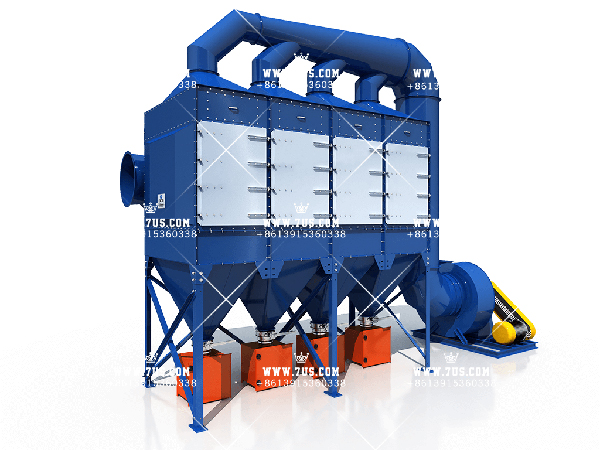
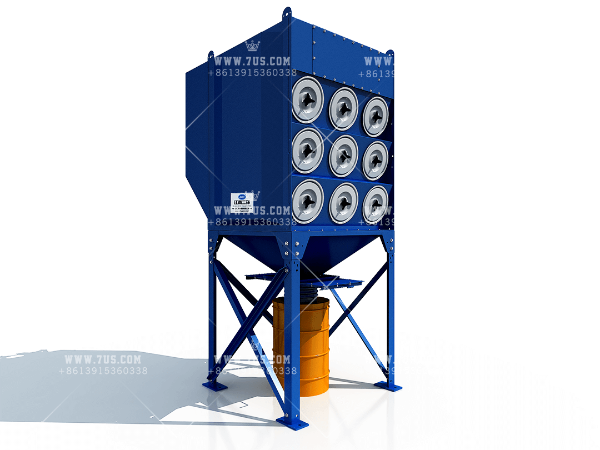
4. Dust generated around the feeding opening is captured close to the source and filtered by the integrated cartridge filtration section.
5. Equipment dimensions, construction materials and filtration configuration can be selected according to the powder characteristics, receiving hopper and process requirements.
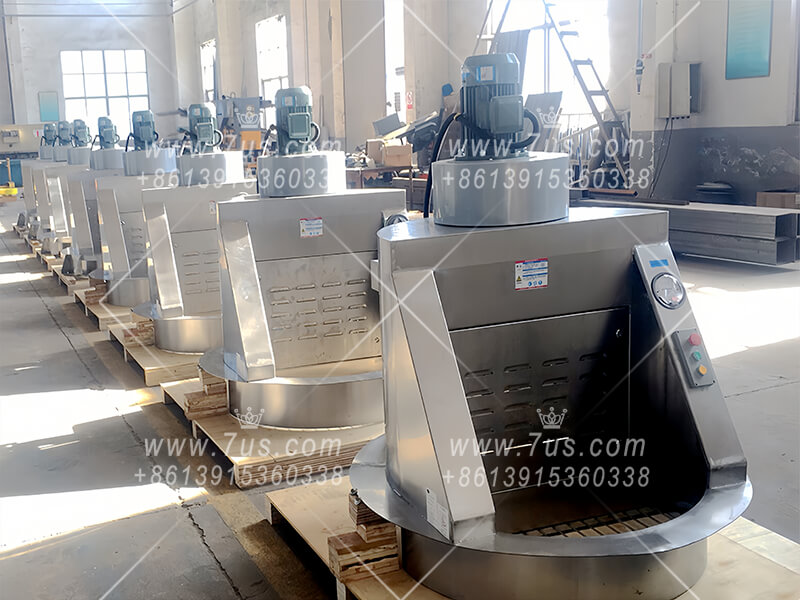
1.1. This hopper-top powder feeding station combines material feeding and cartridge dust collection functions in one integrated unit and is designed for installation above a receiving hopper or process vessel.
1.2. During powder feeding, airborne dust generated around the material discharge point is captured close to the source and directed into the integrated filtration section.
1.3. Different feeding arrangements can be configured according to the material packaging and process requirements, including manual small-bag feeding and bulk bag discharge.
1.4. For bulk bag applications, suitable lifting equipment can be used to position the bag above the receiving section. Bag discharge or opening arrangements can be selected according to the required operating method.
1.5. For smaller packaged materials, a side or front manual feeding opening can be provided to allow operators to discharge bags directly into the receiving hopper.
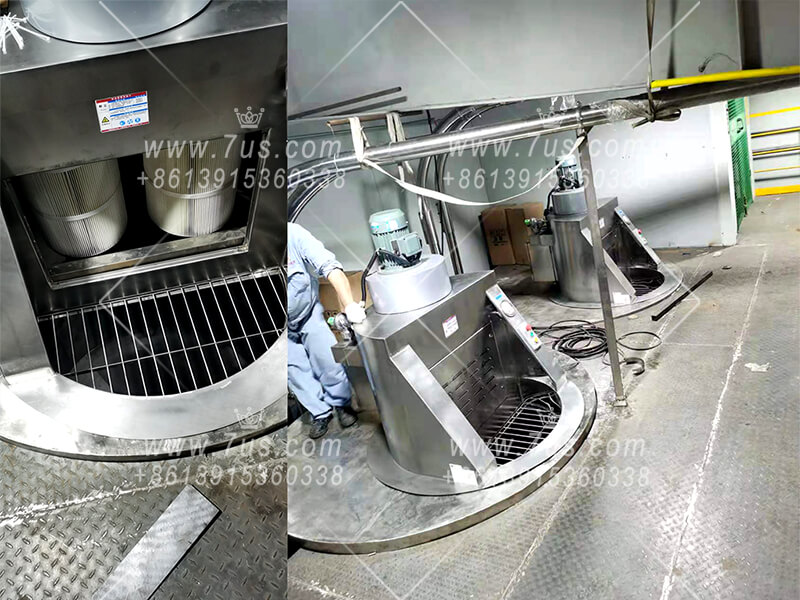
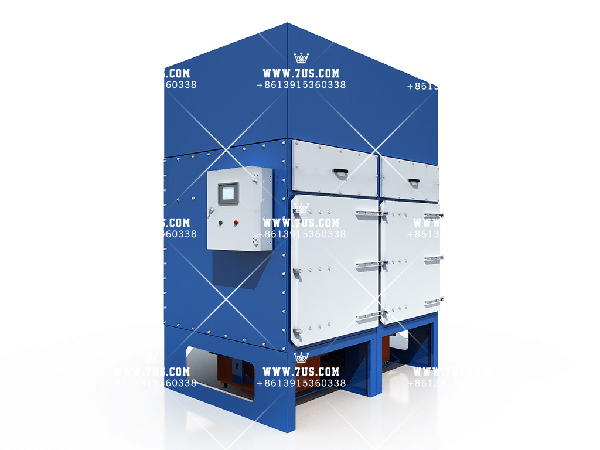
1.6. The integrated cartridge filtration section provides a compact filtration area directly above or adjacent to the material receiving point, reducing the need for a separate remote dust collector in suitable applications.
1.7. Equipment construction can be selected according to the handled material and process requirements, including stainless steel configurations where corrosion resistance or improved cleanability is required.
1.8. Some powders may present combustible dust hazards. Where applicable, explosion protection, electrical classification, pressure relief, monitoring and other safety measures should be determined according to the material properties, dust hazard assessment and applicable project requirements.
1.9. Differential pressure monitoring, temperature monitoring and other control functions can be provided as optional configurations according to the filtration system and operating requirements.
1.10. Equipment dimensions and connection interfaces can be configured according to the receiving hopper, upstream feeding method and downstream process equipment.
No. 173, Wuwei Industrial Zone, Xushe Town, Yixing, Jiangsu, China© 1994-2026 7US.com. All rights reserved | Privacy PolicySite map
Phone