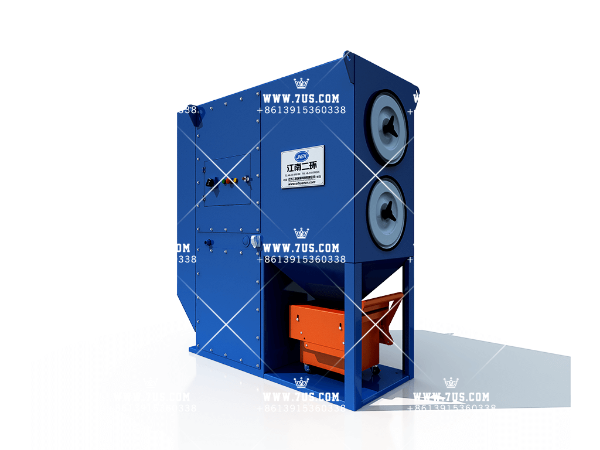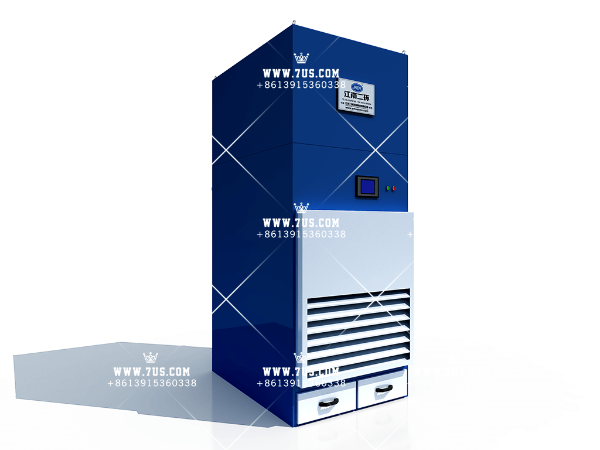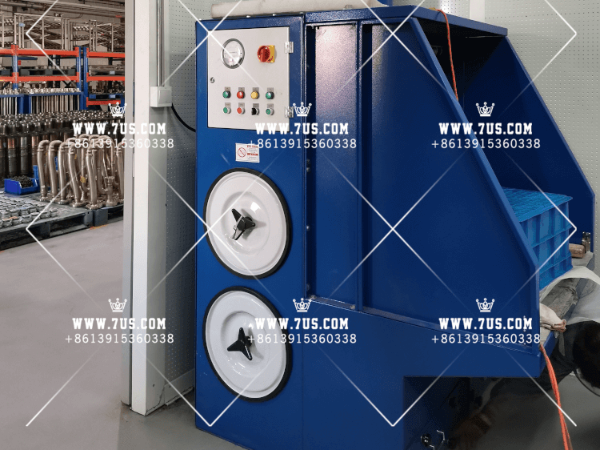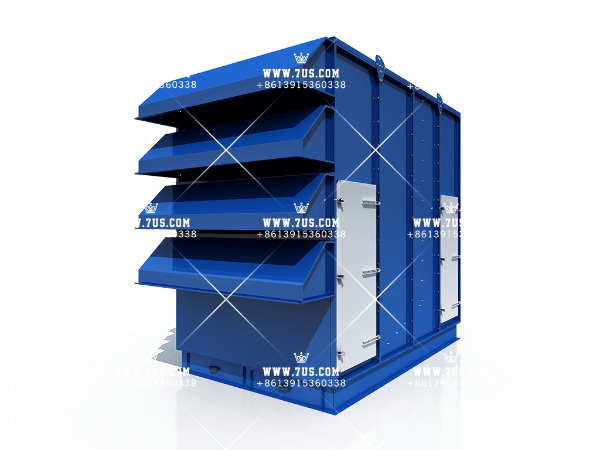

Dual-Station Bag Dump Station with Dust Collection
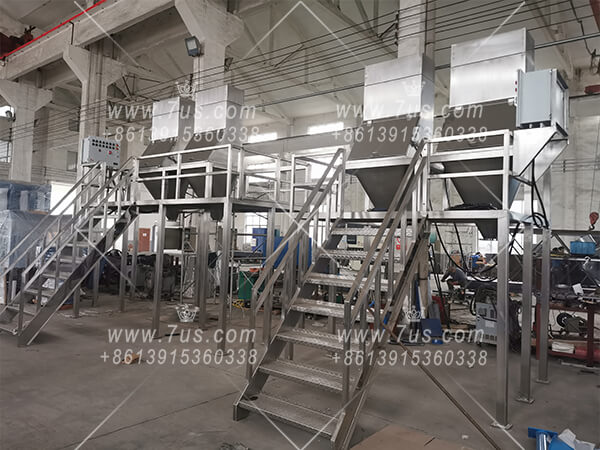
1. Product type: Dual-station manual bag dump station with integrated cartridge dust collection for dry powder handling applications.
2. Two feeding positions allow operators to handle bagged powder at separate workstations while sharing a common dust collection system.
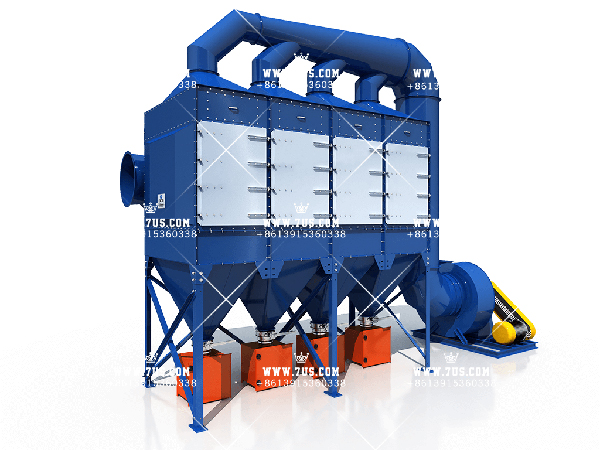
3. Dust generated during bag opening and material dumping is captured close to the feeding openings and directed to the integrated cartridge filtration section.
4. The dual-station configuration is suitable for applications requiring multiple feeding positions, higher material handling capacity or separate operator work areas.
5. Equipment dimensions, hopper configuration, construction materials and filtration capacity can be selected according to the powder characteristics and process requirements.
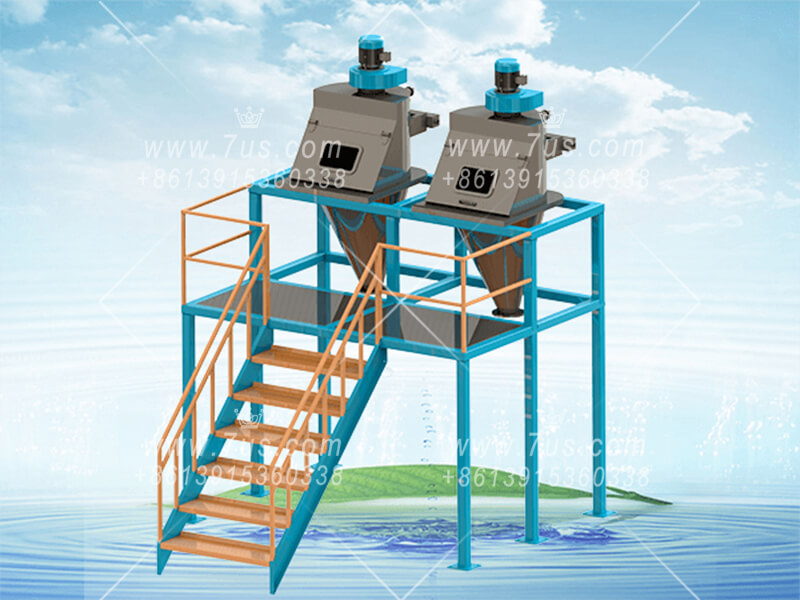
1.1. This dual-station bag dump station is designed for manual handling of dry powder materials and combines two feeding positions with an integrated cartridge dust collection system.
1.2. Two operators can use separate feeding positions, or the two stations can be arranged for different materials or production requirements according to the process layout.
1.3. During bag opening and powder dumping, airborne dust generated around each feeding position is captured close to the source and directed into the filtration section.
1.4. The dual-station configuration provides additional feeding capacity compared with a single manual bag dump station while allowing both positions to share common dust collection equipment.
1.5. Receiving hopper dimensions and discharge interfaces can be configured according to the material characteristics and downstream conveying, mixing or processing equipment.

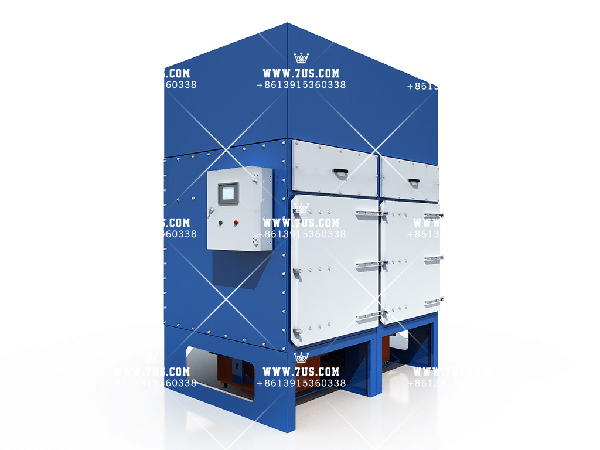
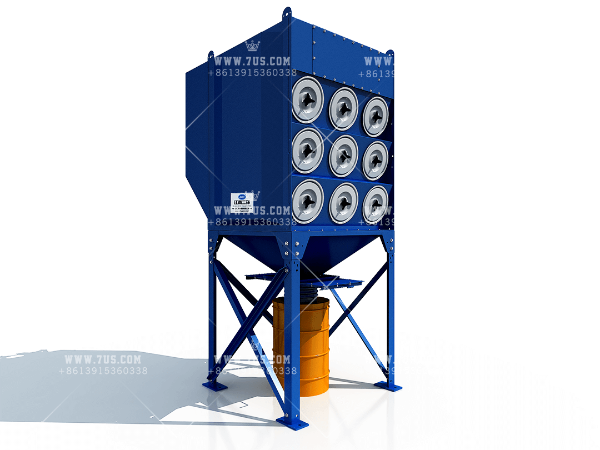
1.6. Cartridge filtration provides a large filtration area within a compact equipment structure and is suitable for capturing dry airborne particulate generated during manual powder feeding.
1.7. Equipment construction can be selected according to the handled material and process requirements, including stainless steel configurations where corrosion resistance or improved cleanability is required.
1.8. Airflow and filtration capacity are selected according to the size of the feeding openings, number of operating stations, powder characteristics and actual operating conditions.
1.9. Some powders may present combustible dust hazards. Where applicable, suitable protection measures should be determined according to the material properties, dust hazard assessment and applicable project requirements.
1.10. Differential pressure monitoring, temperature monitoring and other control or safety functions can be provided as optional configurations according to the application requirements.
No. 173, Wuwei Industrial Zone, Xushe Town, Yixing, Jiangsu, China© 1994-2026 7US.com. All rights reserved | Privacy PolicySite map
Phone