
Belt Conveyor Dust Collector
1. A belt conveyor dust collector captures dry airborne dust generated at conveyor loading discharge and transfer points.
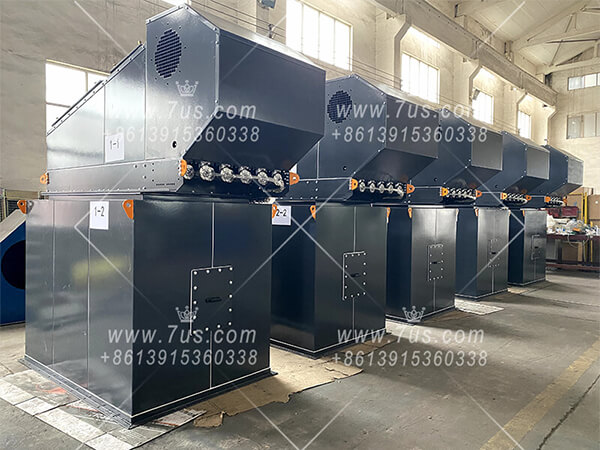
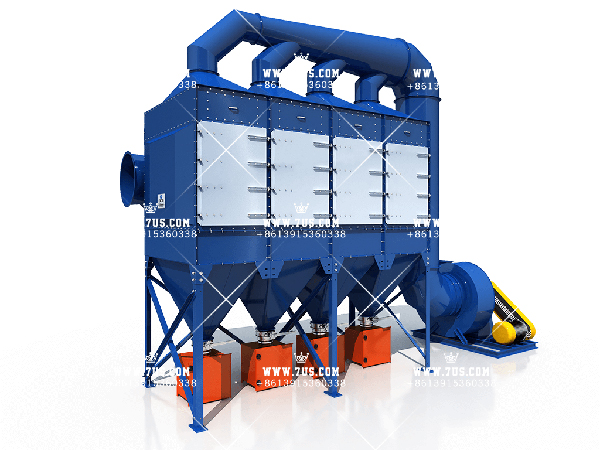
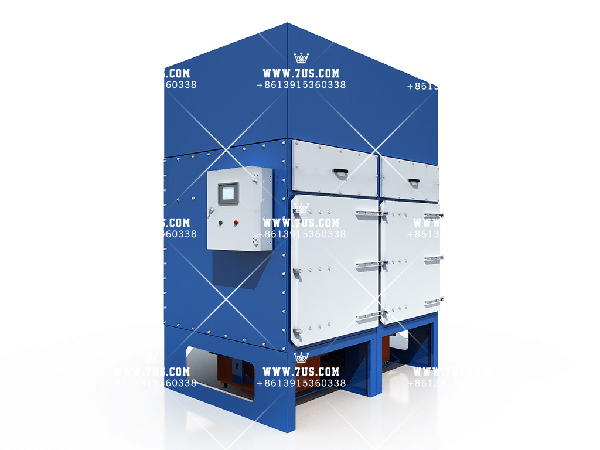
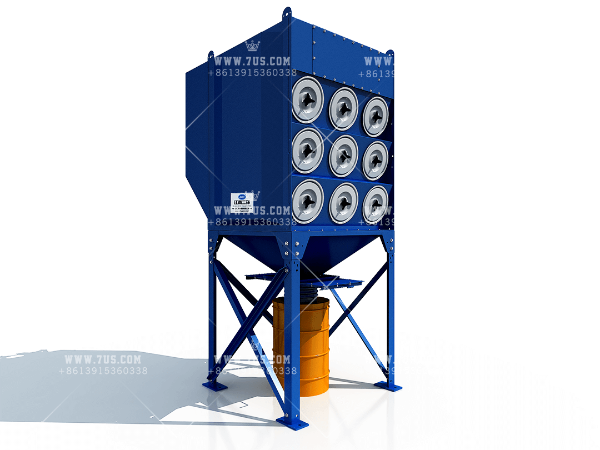
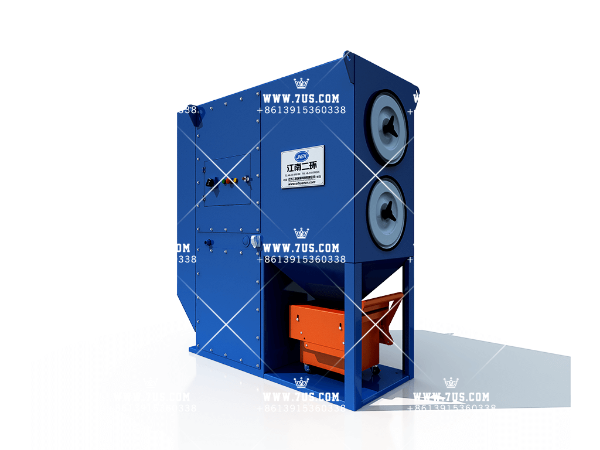
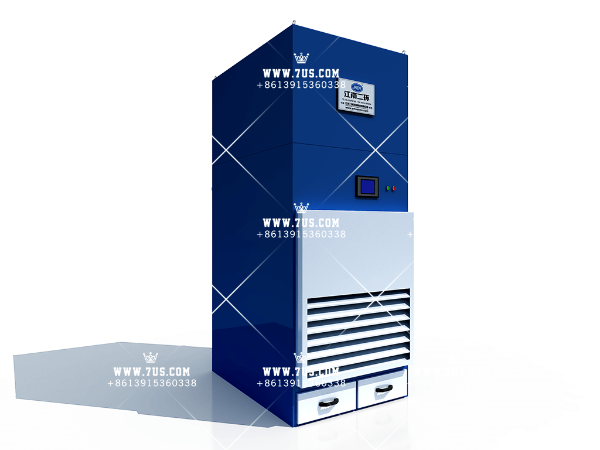
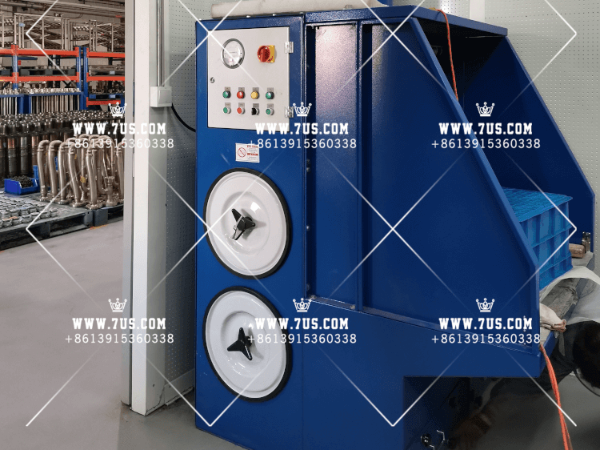
2. The EHDLMV flat bag dust collector can be installed above the conveyor with pulse jet cleaning and suitable dust return arrangements.
3. Typical applications include suitable dry dust from coal handling cement mining metallurgy building materials and grain handling.
4. Dust properties temperature moisture concentration and combustible dust hazards must be evaluated before equipment selection.
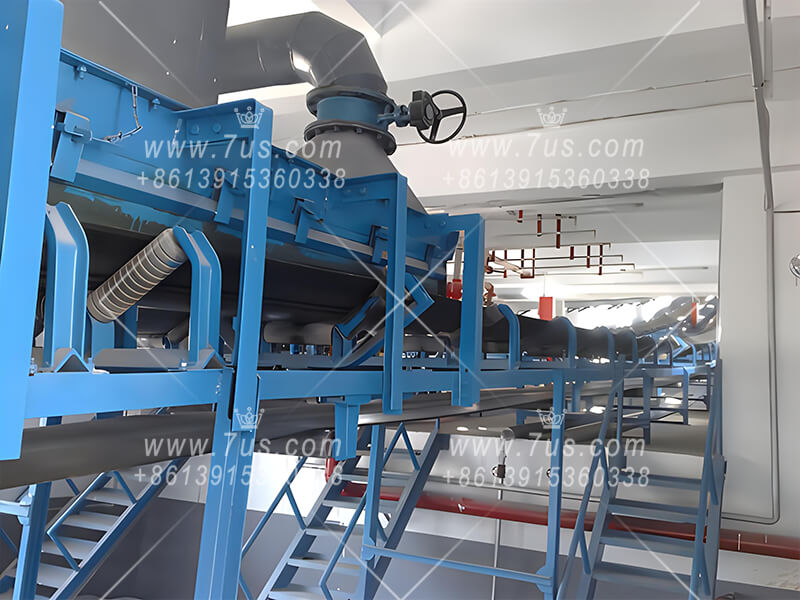
1.1 A belt conveyor dust collector is designed to capture dry airborne dust generated at conveyor loading, discharge and transfer points.
1.2 The EHDLMV flat-bag dust collector can be mounted on a support structure above the conveyor. Captured dust is released from the filter bags by pulse-jet cleaning and returned to the conveyed material where the process arrangement permits.
1.3 Typical applications include suitable dry dust from coal handling, cement, mining, metallurgy, building materials, machinery, chemical processing and grain handling.
1.4 The collector is intended for appropriate dry, non-fibrous particulate. Dust properties, concentration, temperature, moisture and combustible-dust hazards must be evaluated before equipment selection.
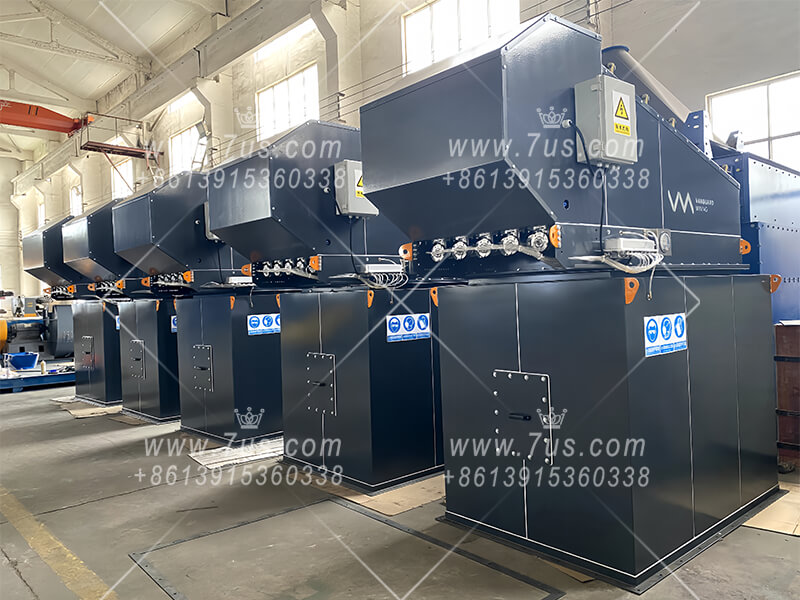
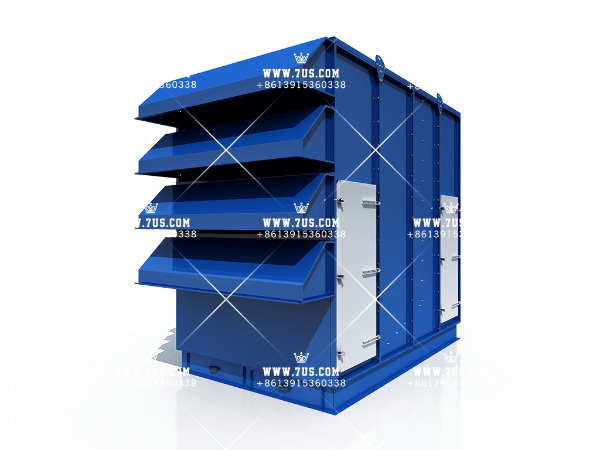
1.5 The EHDLMV flat-bag dust collector includes a lower housing with a flanged connection to the support and dust-capture enclosure above the belt conveyor.
1.6 Local extraction at the dust-generation point helps control fugitive dust without adding moisture to the conveyed material. Capture hoods and enclosure openings must be coordinated with the conveyor arrangement and required airflow.
1.7 High moisture, sticky dust or hot water vapor can impair dry filter performance. In these conditions, the collection method and filter media must be selected after reviewing temperature, moisture, corrosion and process requirements; a wet collector may be considered where technically suitable.
1.8 Equipment dimensions and connection arrangements can be adapted according to confirmed airflow, conveyor layout, site space and customer drawings. Installation and system design remain subject to project-specific engineering requirements.
No. 173, Wuwei Industrial Zone, Xushe Town, Yixing, Jiangsu, China© 1994-2026 7US.com. All rights reserved | Privacy PolicySite map
Phone