
 Products
 Industries
 OEM/ODM
 News
News About us
 Contact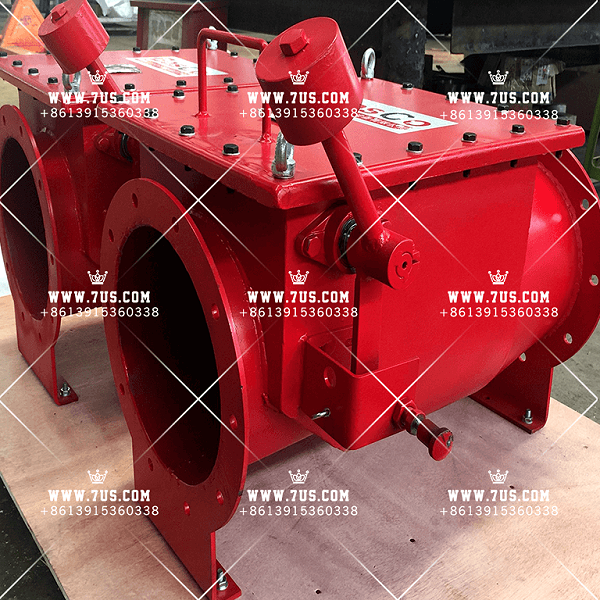
1. Keep combustible dust away from open flames, hot surfaces, sparks and other potential ignition sources.
2. Minimize dust accumulation through effective housekeeping and local exhaust ventilation. Dust should not be allowed to build up on floors, beams, equipment surfaces or other elevated areas.
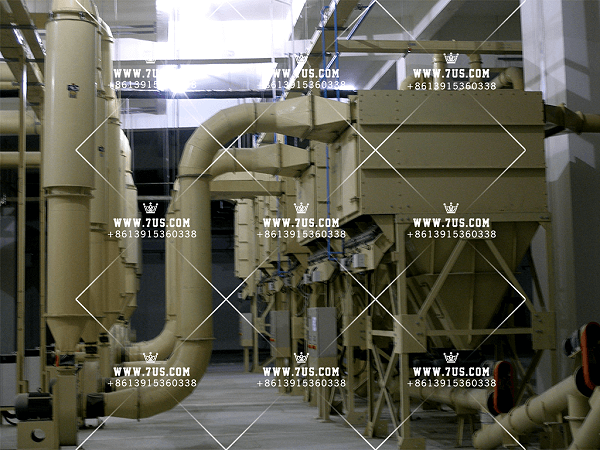
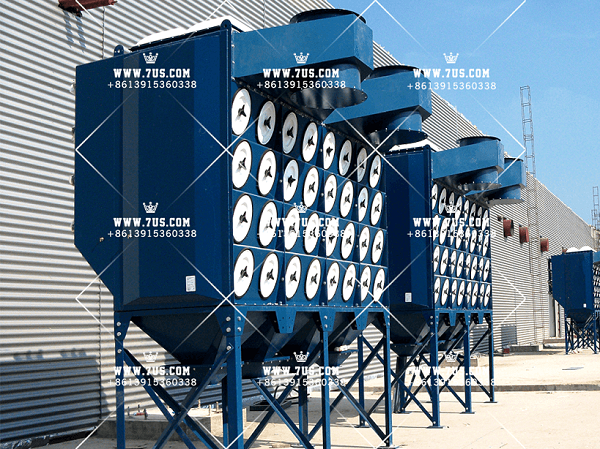
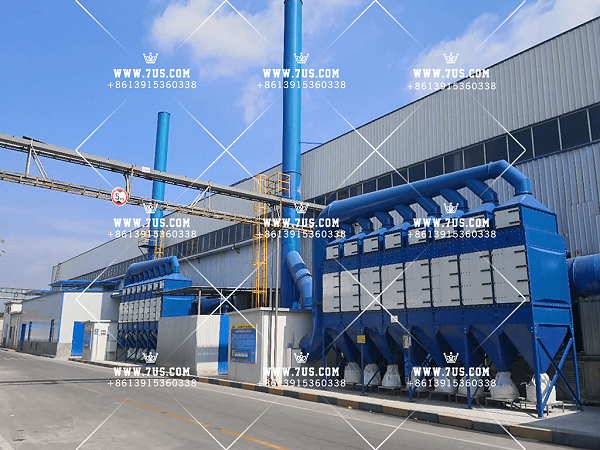
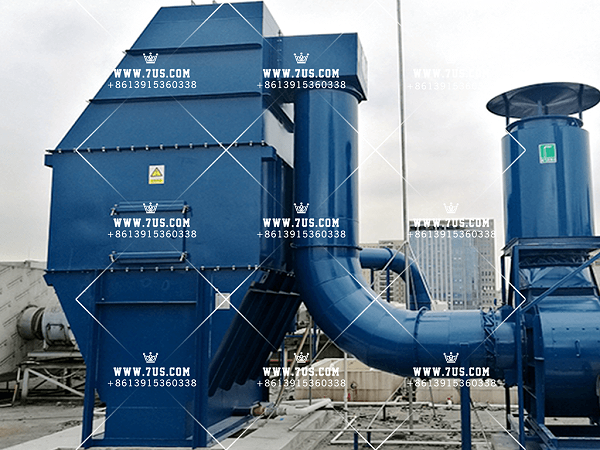
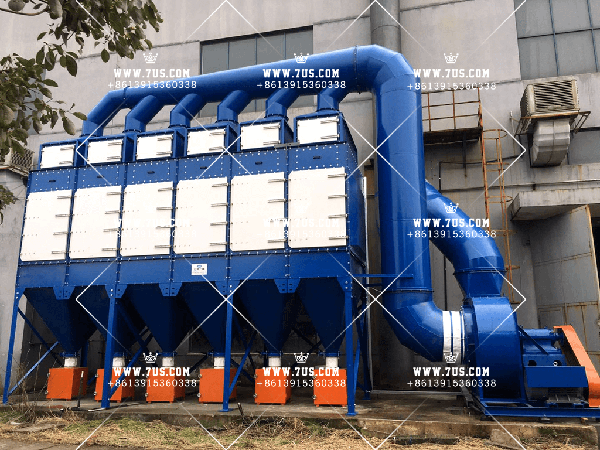
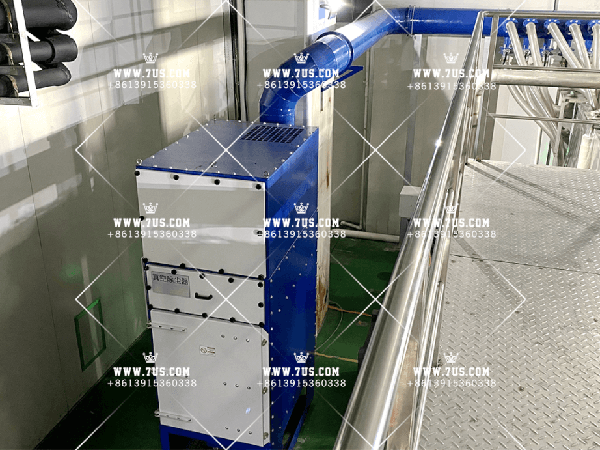
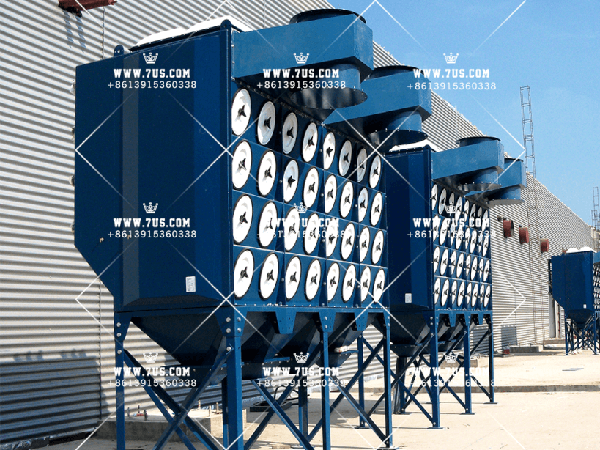
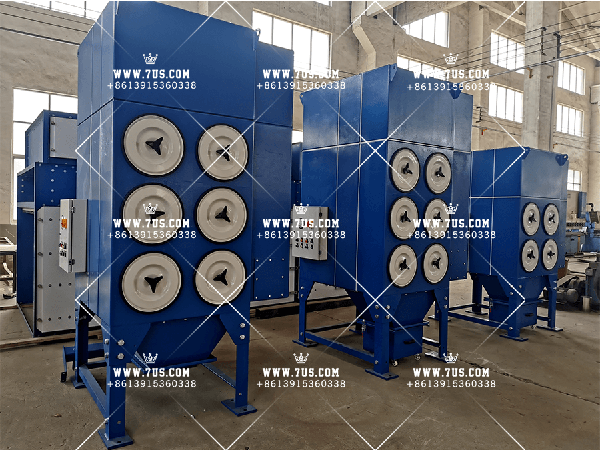
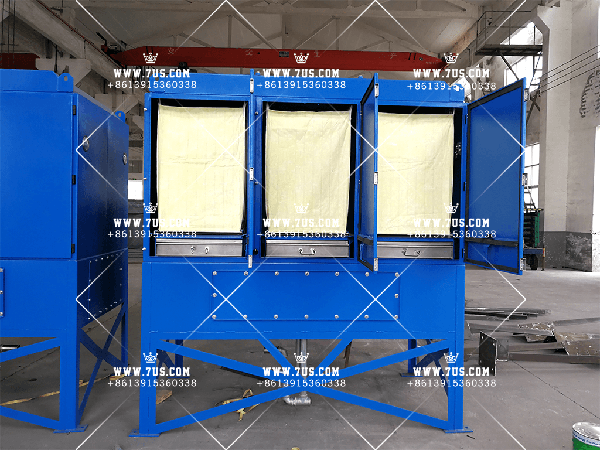
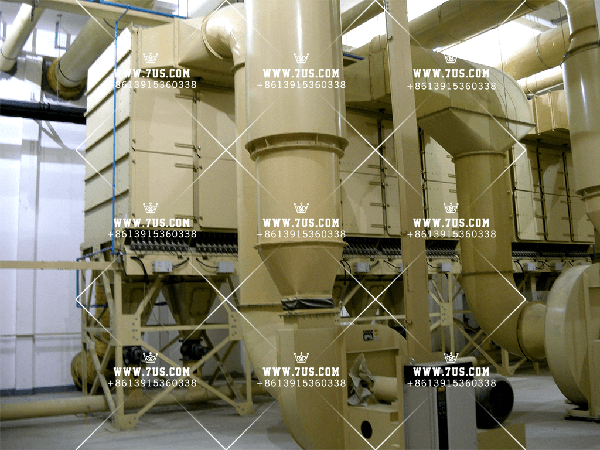
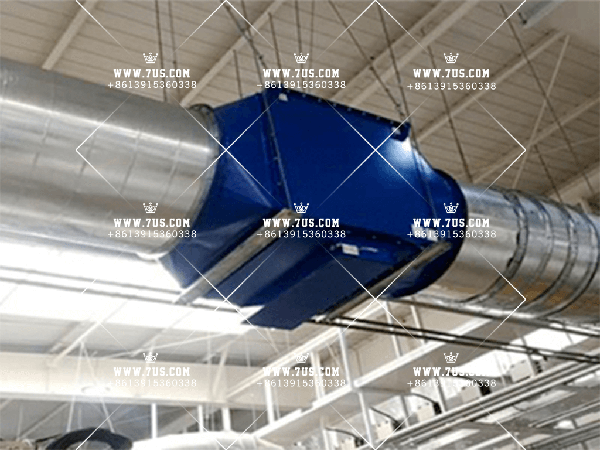
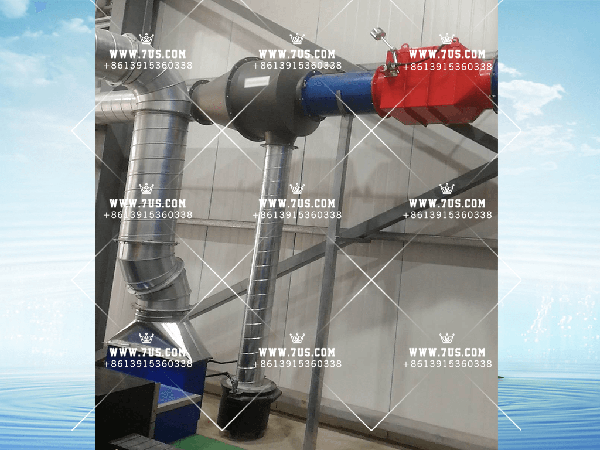
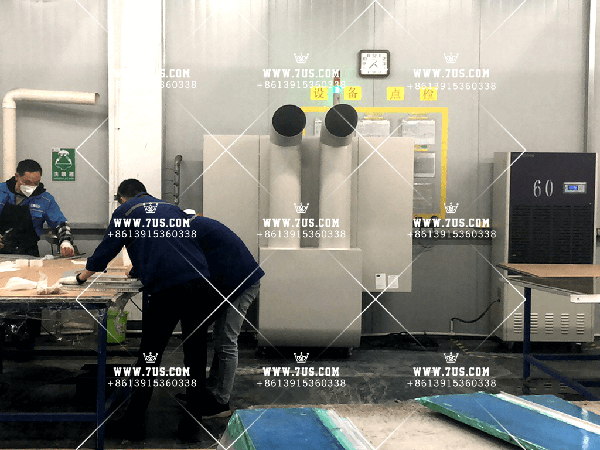
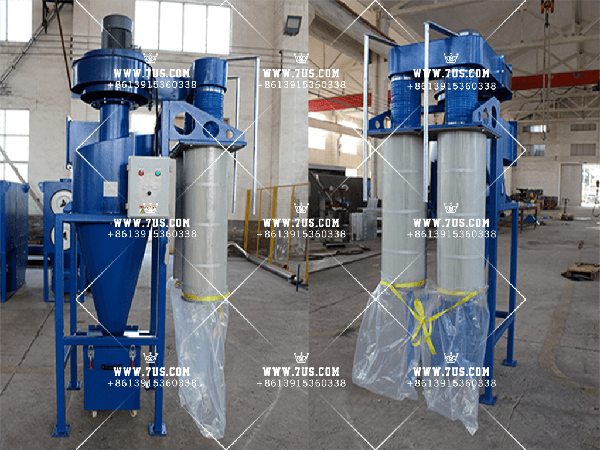
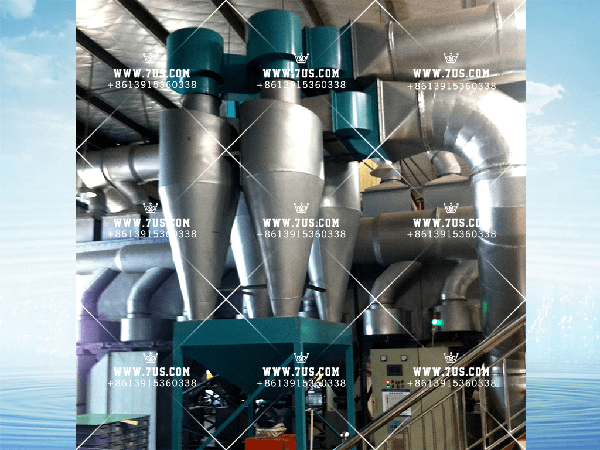
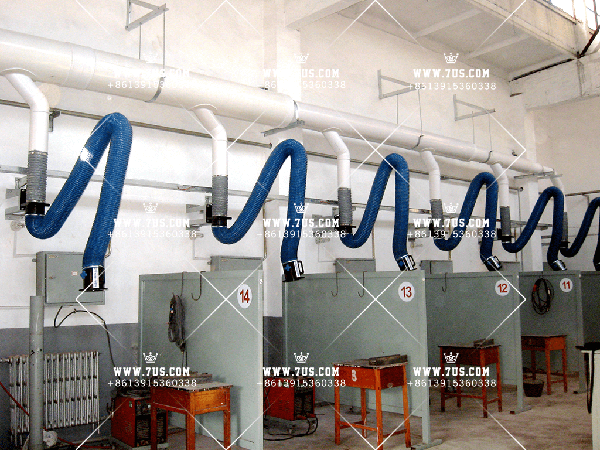
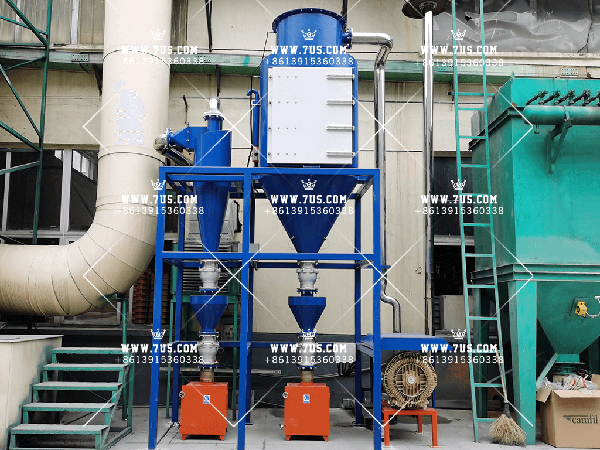
3. Use suitable dust collection equipment to capture dust as close as practical to the point of generation and reduce airborne dust concentration in the work area.
4. Control static electricity through appropriate grounding and bonding of conductive equipment, ducting and other components where required by the application.
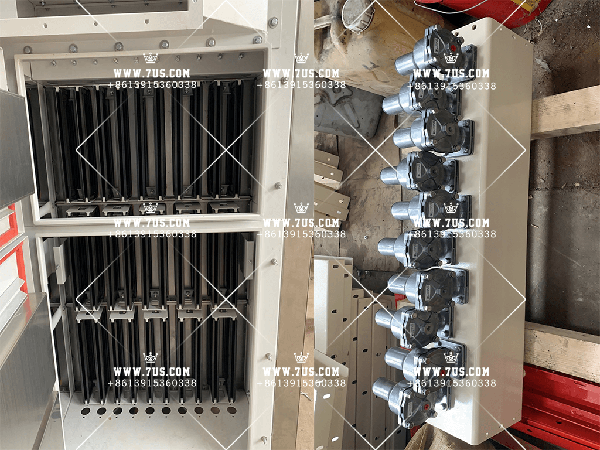
5. Electrical equipment and components used in hazardous locations should be selected according to the classified area, dust characteristics and applicable safety requirements.
6. Wet or dry dust collection may be considered depending on the dust properties and process conditions. Wet collection is not suitable for every combustible dust, especially where the material may react dangerously with water or generate flammable gas.
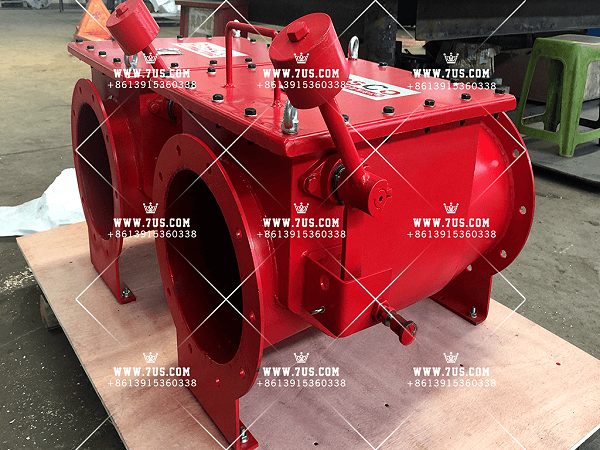
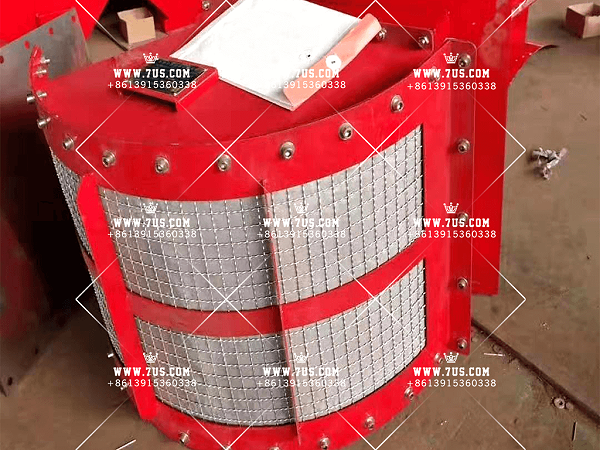
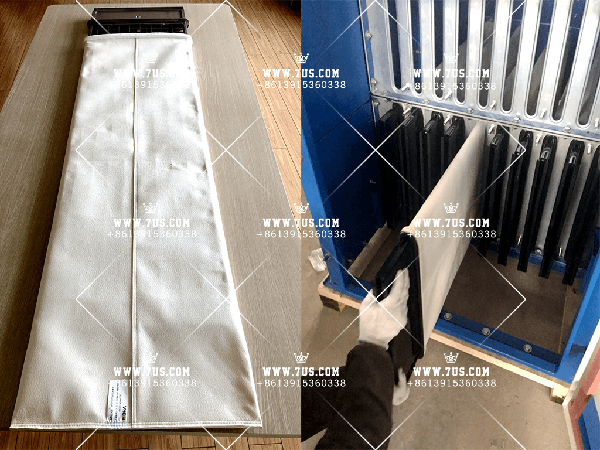
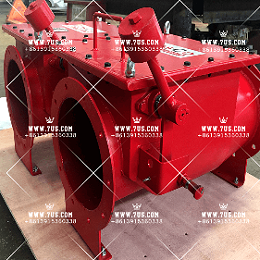
7. Dry dust collectors handling explosion-risk dust may require project-specific explosion protection measures such as explosion venting, flameless venting, explosion isolation, spark detection, suitable electrical components and other protective devices.
8. Explosion protection measures should not be selected by equipment name alone. Important factors include dust explosibility data, Kst, Pmax, minimum ignition energy, minimum explosible concentration, equipment volume, installation location and the applicable safety standard.
9. Adding inert material may reduce the explosibility of some combustible dust mixtures, but there is no universal safe percentage. The required inerting ratio must be established for the specific material through appropriate testing and hazard assessment.


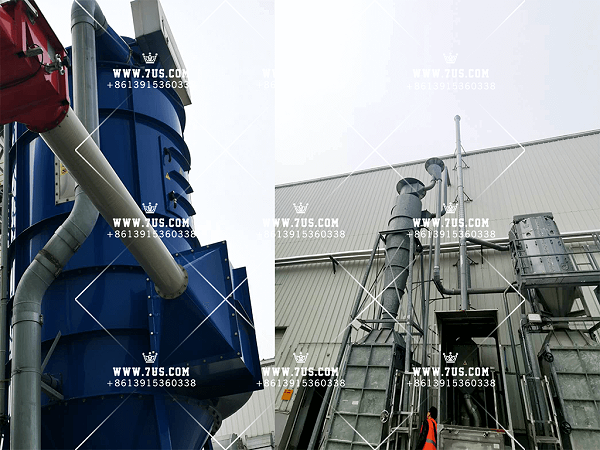
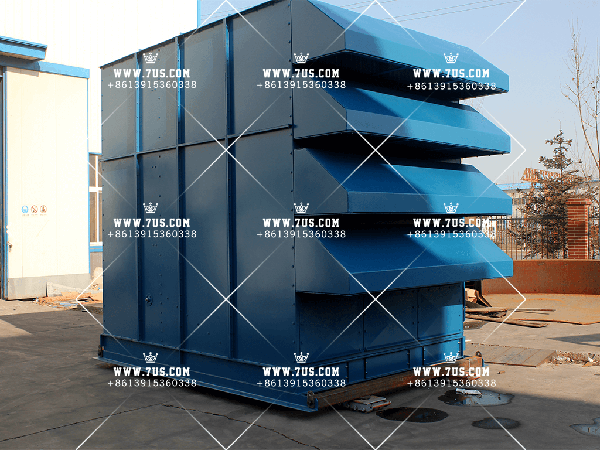
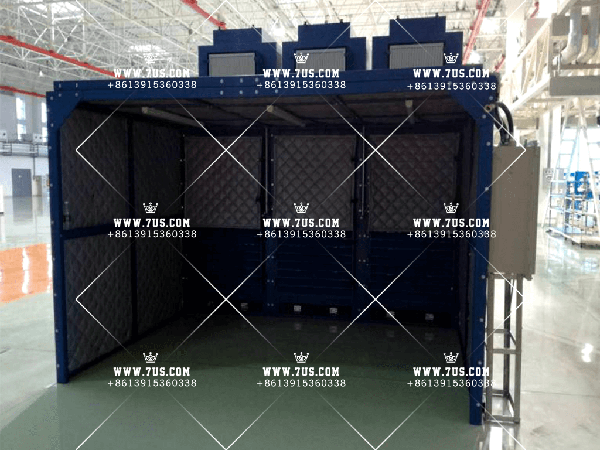
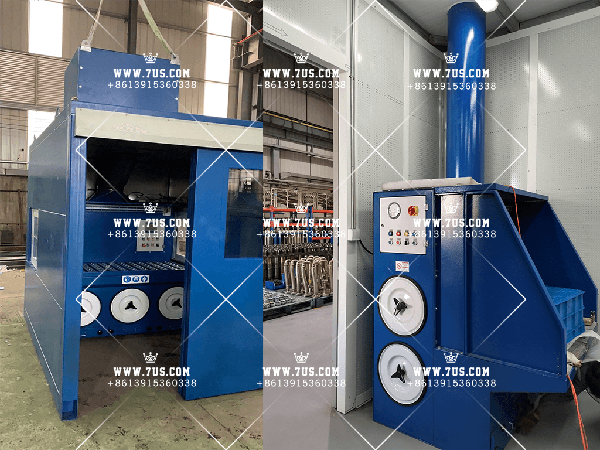
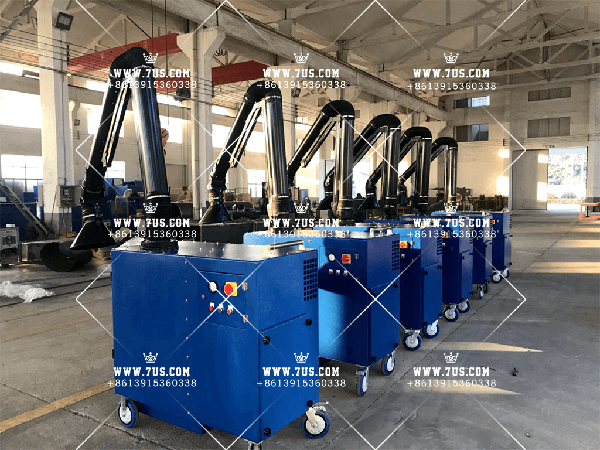

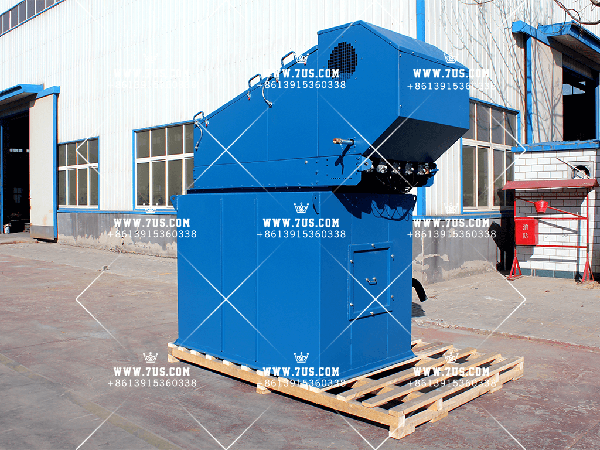
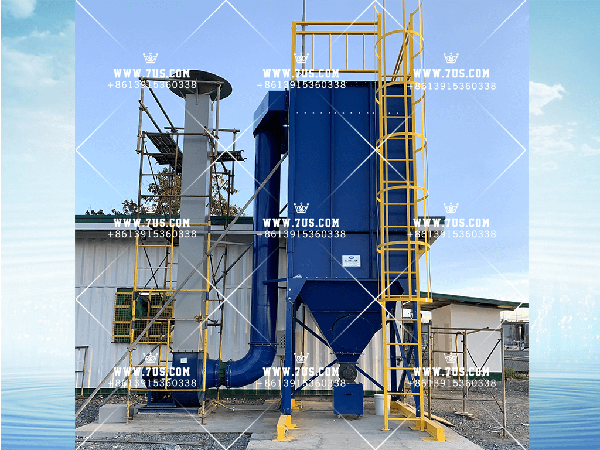
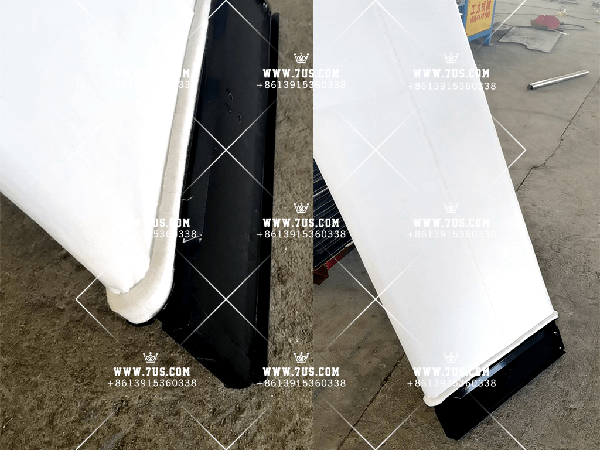
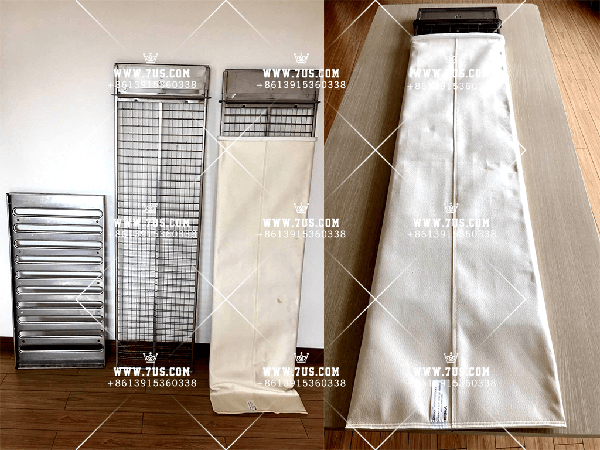
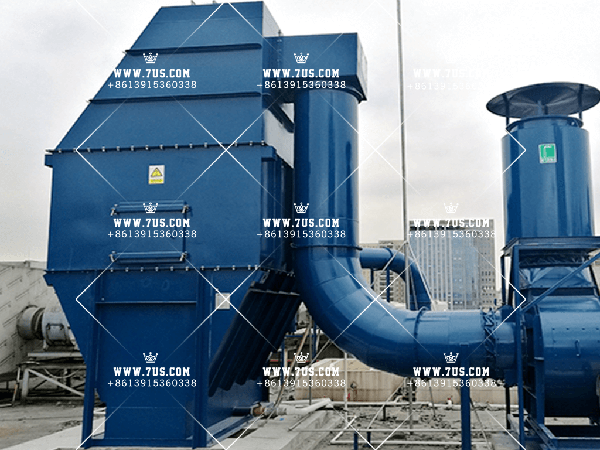
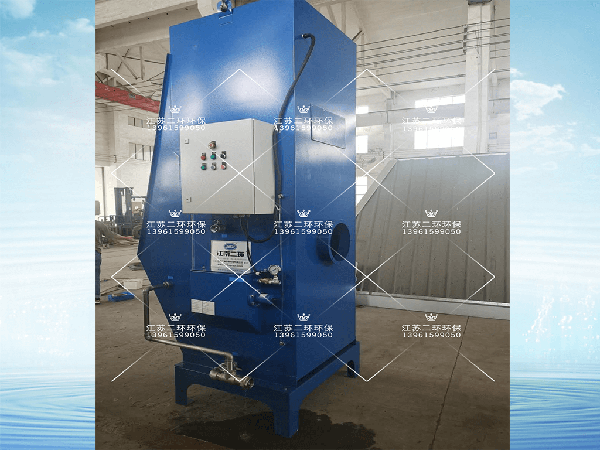
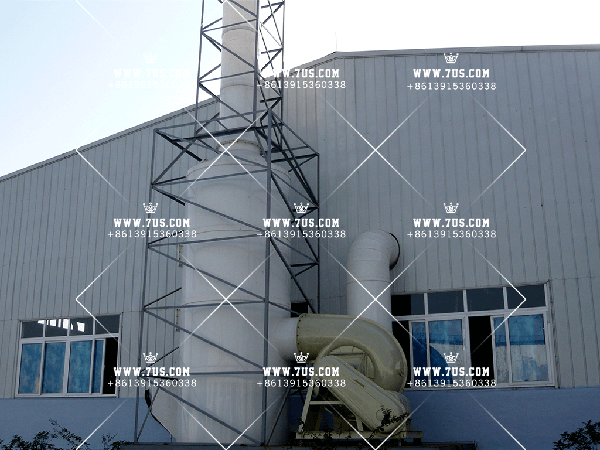
 Combustible Dust Collection & Explosion Risk Control