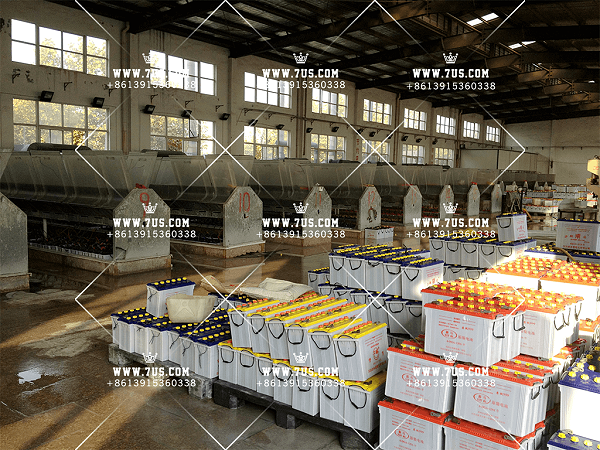
1. Lead-acid battery manufacturing can generate acidic wastewater containing lead and other contaminants from different production and cleaning processes. This wastewater should be collected and treated before discharge or reuse.
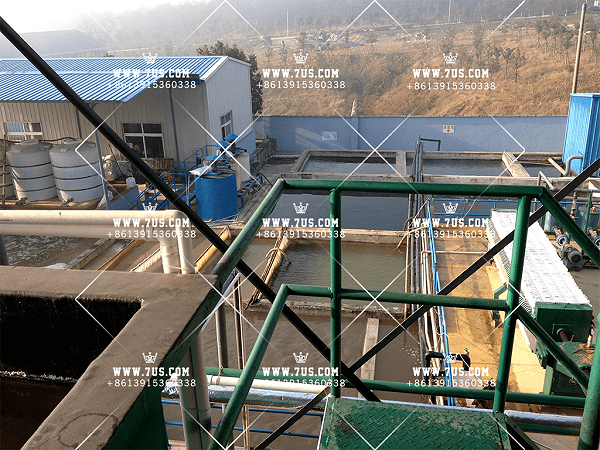
2. Wastewater generated at different production areas can be collected through dedicated drainage or wastewater collection piping and conveyed to a centralized wastewater treatment system.
3. The collected wastewater is transferred to the treatment system, where pH adjustment and chemical dosing can be used to promote precipitation and removal of dissolved or suspended contaminants.
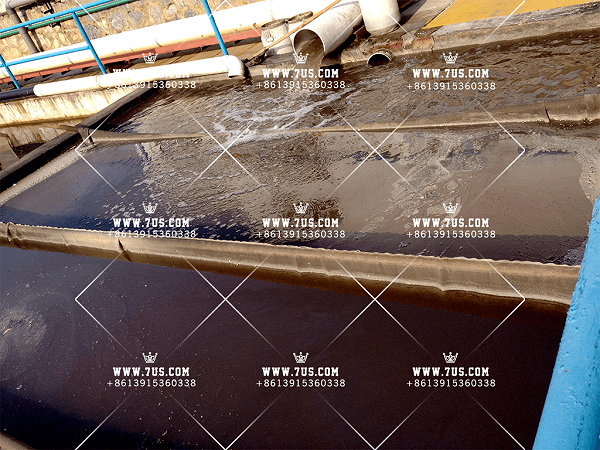
4. After chemical treatment, the wastewater can enter an inclined plate or tube clarifier for solid-liquid separation and sedimentation.
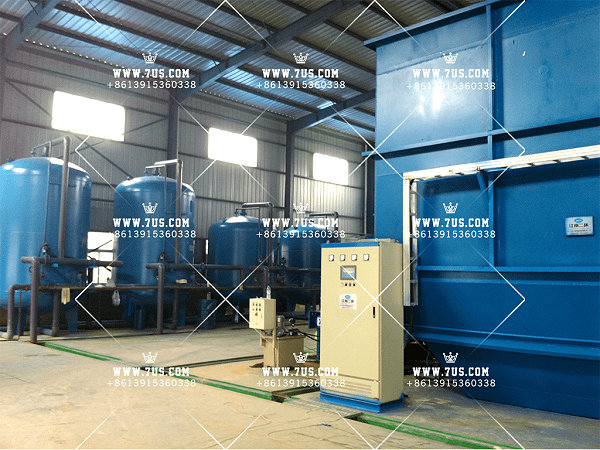
5. Clarified water can be further treated by filtration processes such as sand filtration and activated carbon filtration according to the influent quality and required treatment objective.
6. Where reclaimed water reuse is required, additional treatment such as RO (reverse osmosis) can be applied according to the required reuse-water quality. Final discharge or reuse requirements should be determined according to the actual wastewater characteristics
and applicable local standards.

 Products
 Industries
 OEM/ODM
 News
News About us
 Contact
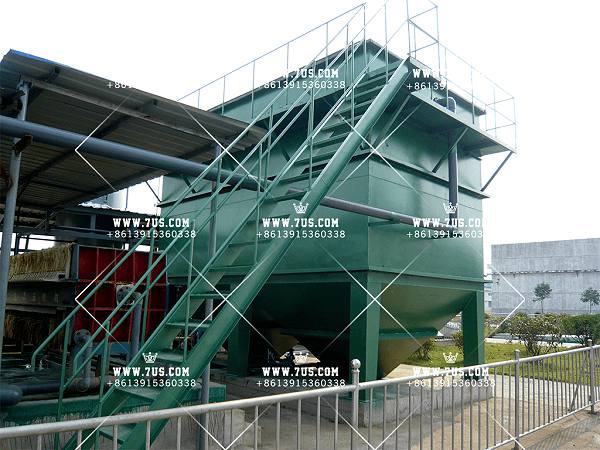

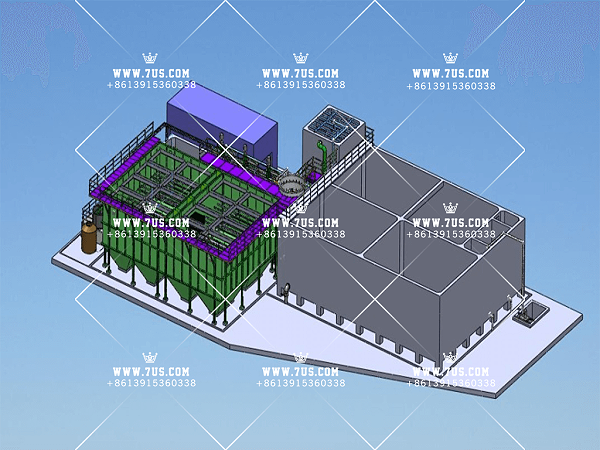
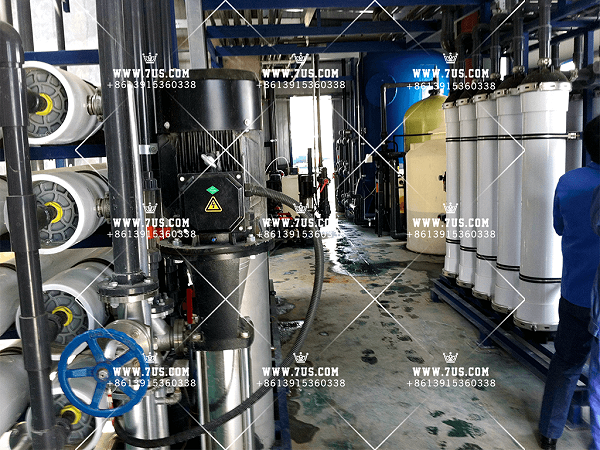
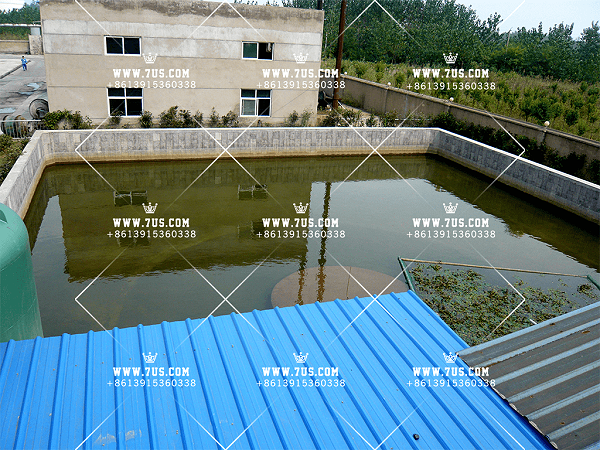
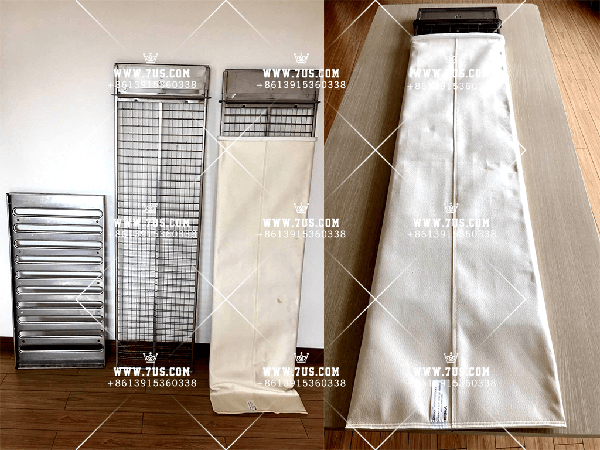
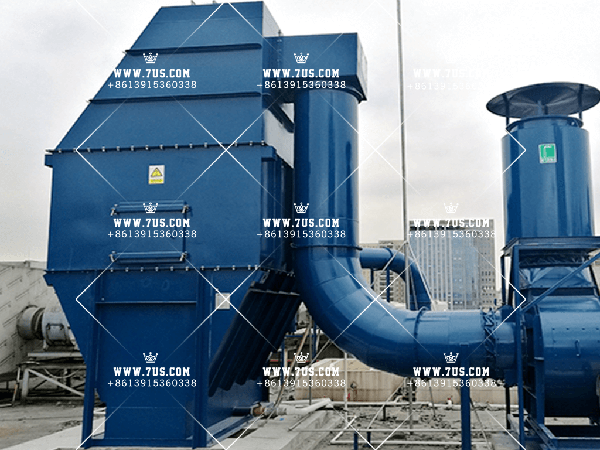
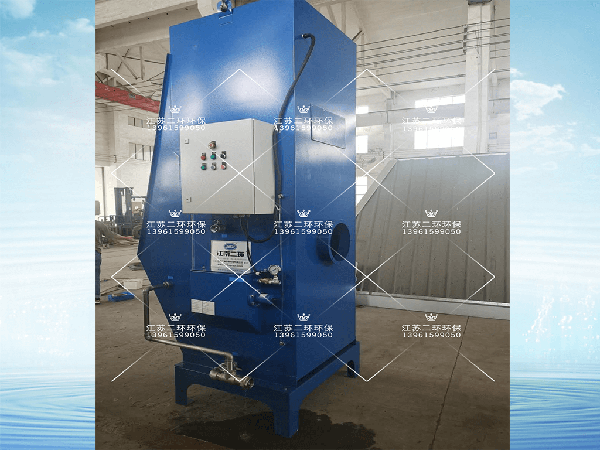
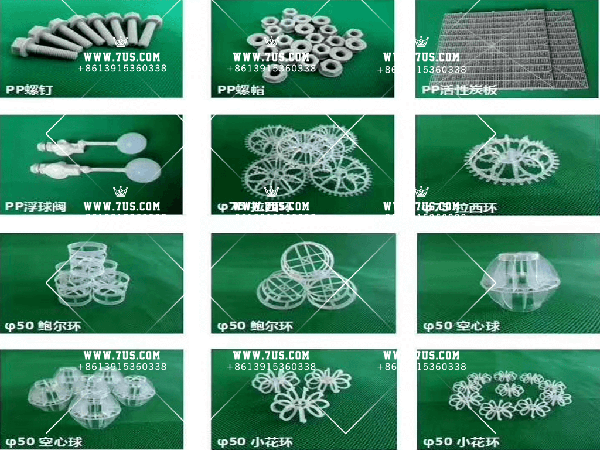
 Lead-Acid Battery Wastewater Treatment System