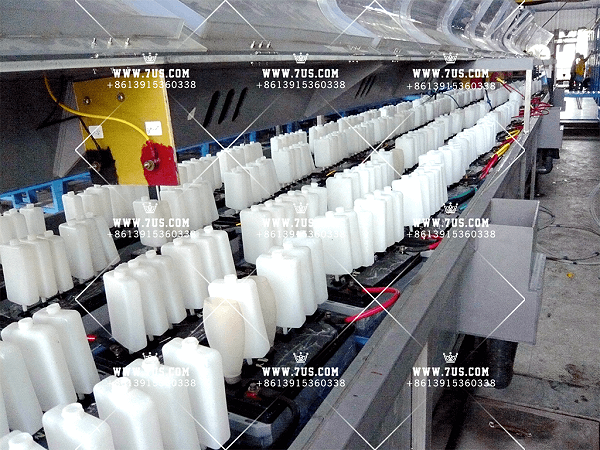
1. In lead-acid battery manufacturing, sulfuric acid electrolyte is added to the assembled battery before or during the formation charging process, where electrochemical reactions convert the active materials into their functional charged state.
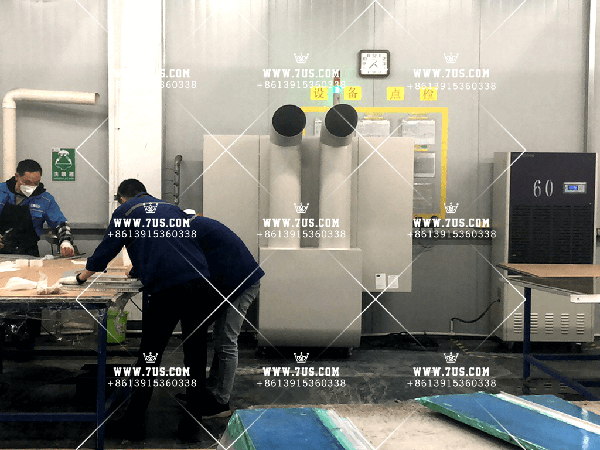
2. Battery formation charging can generate heat, sulfuric acid mist and gases. Effective ventilation and acid mist capture are therefore important for controlling emissions around the formation line.
3. Sulfuric acid mist is corrosive and should be captured close to the source to help reduce workplace exposure and corrosion of surrounding equipment and building structures.
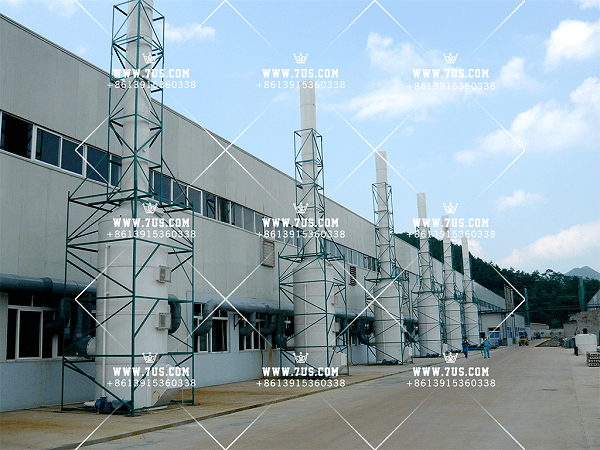
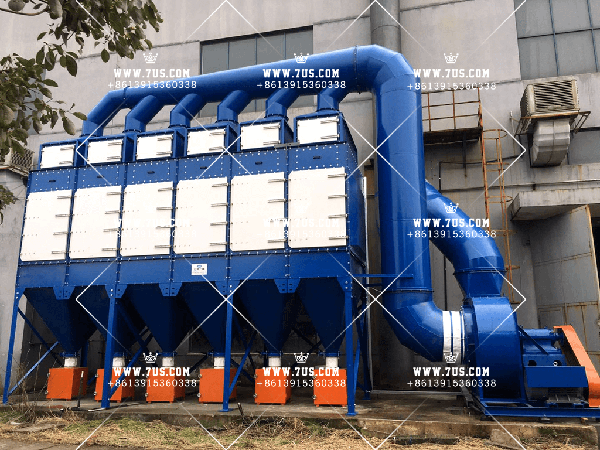
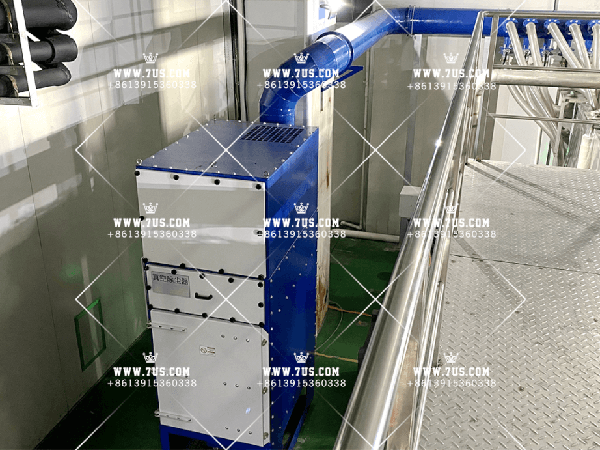
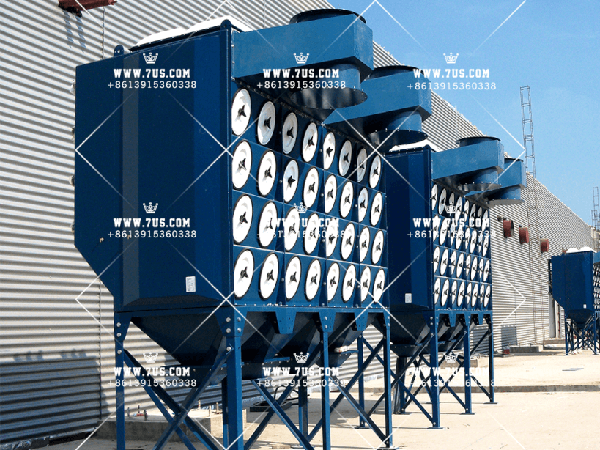
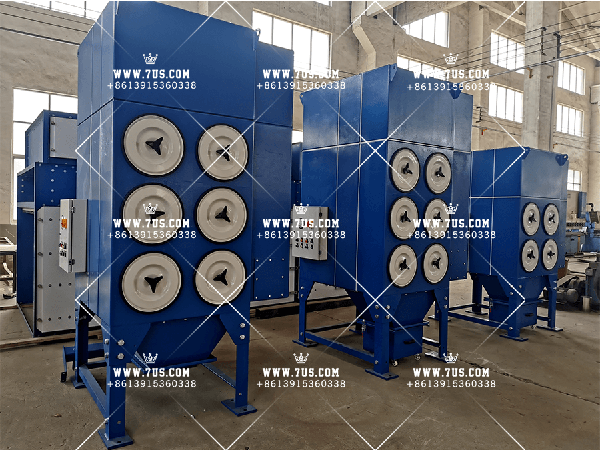
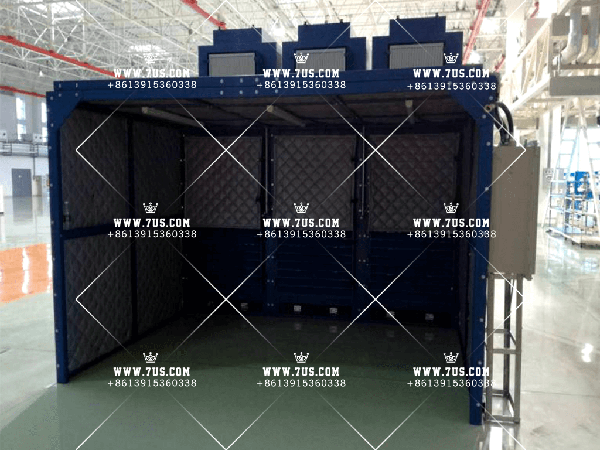
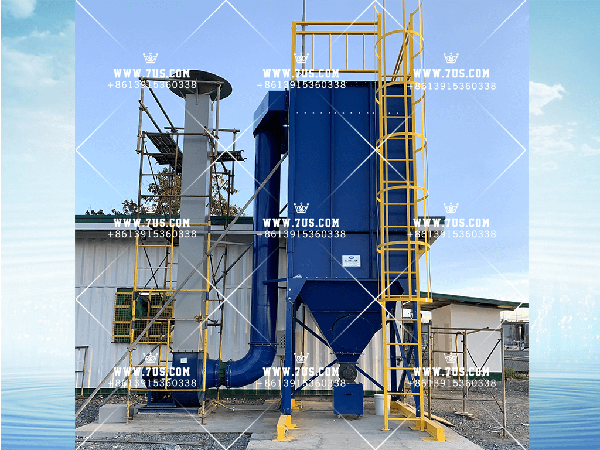
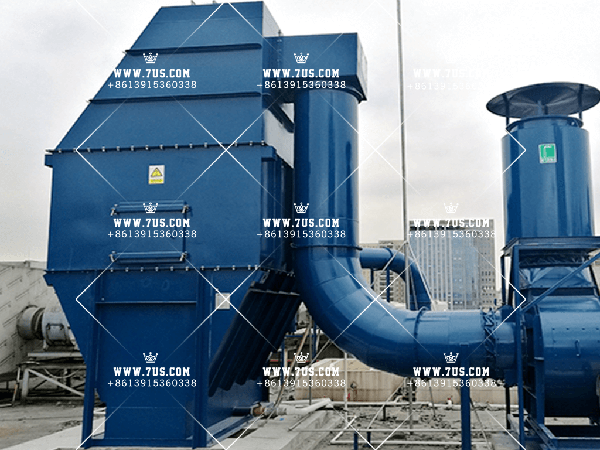
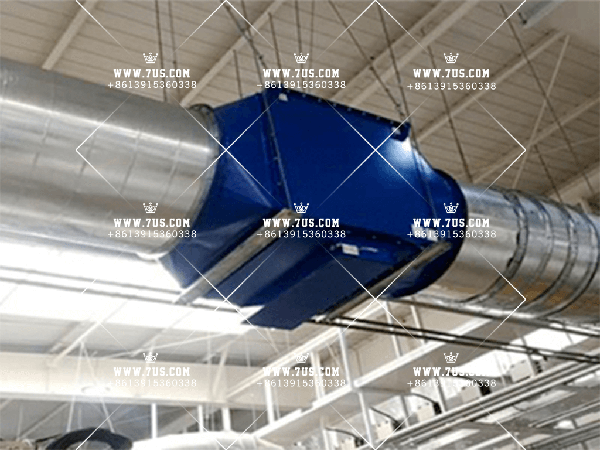
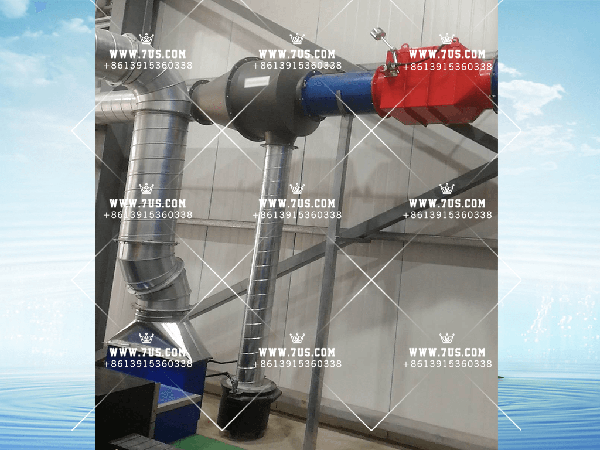
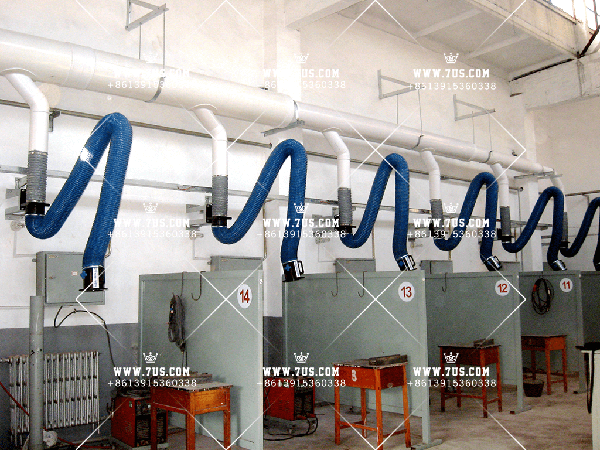
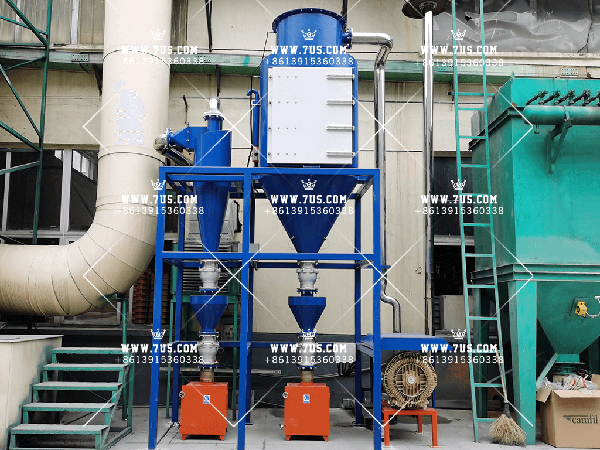
4. Formation charging lines can be equipped with suitable local enclosures or extraction hoods connected to an exhaust duct system. The collected acid mist can then be conveyed to an acid mist scrubber for treatment.
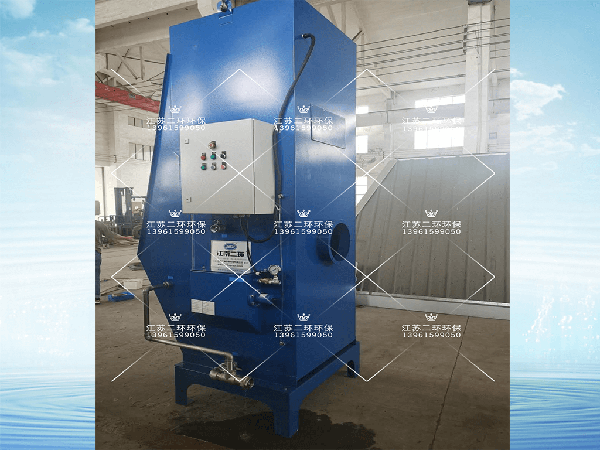
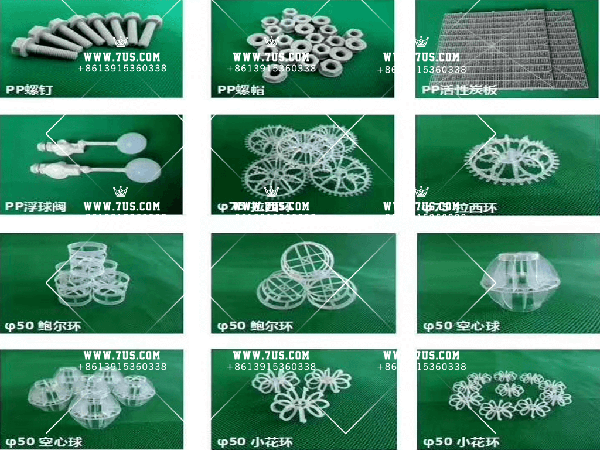
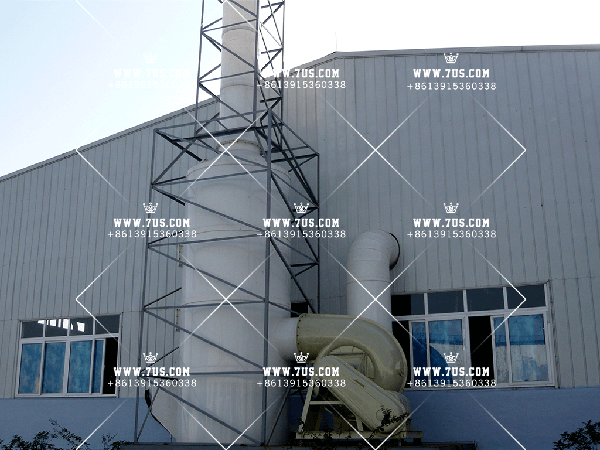
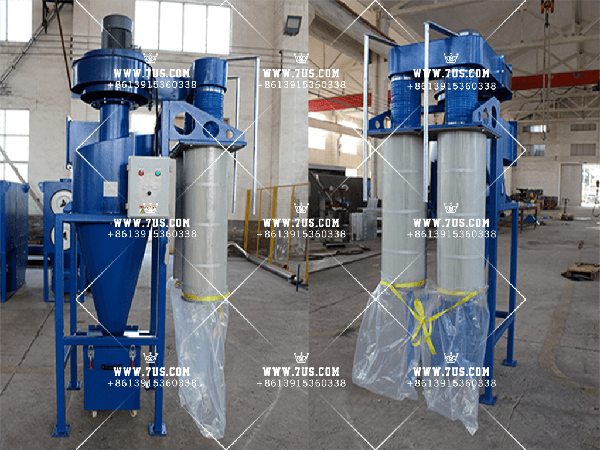
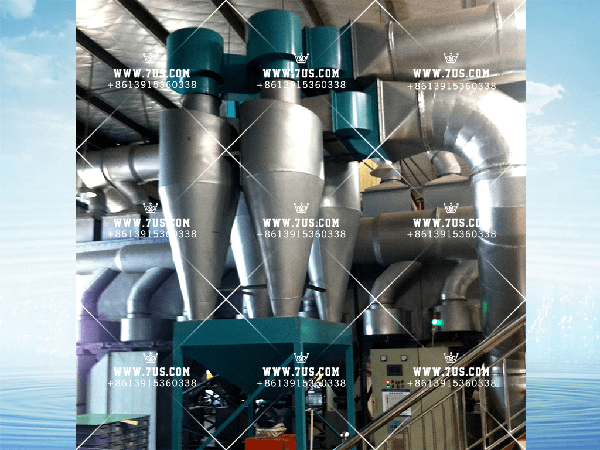
5. A packed-bed scrubber can use recirculating scrubbing liquid and a spray system to contact the acid mist. Where appropriate, alkaline scrubbing solution can be used to neutralize captured acidic contaminants.
6. Hydrogen may also be generated during lead-acid battery formation charging. Hydrogen accumulation and ignition risks should be addressed separately through suitable ventilation, electrical safety and other measures required for the actual installation.

 Products
 Industries
 OEM/ODM
 News
News About us
 Contact
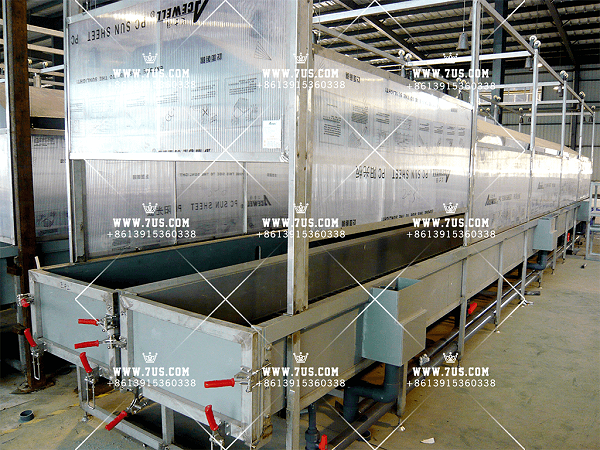
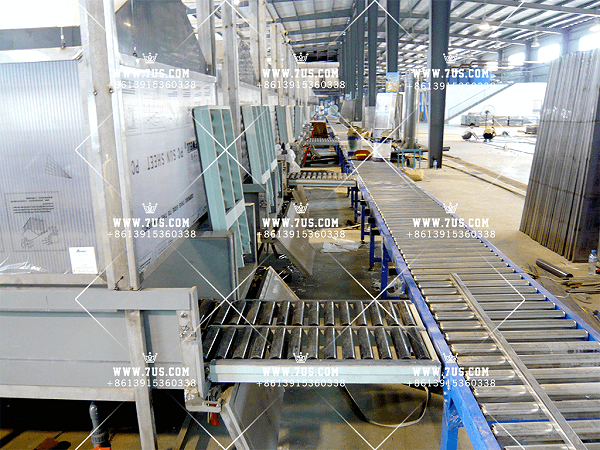
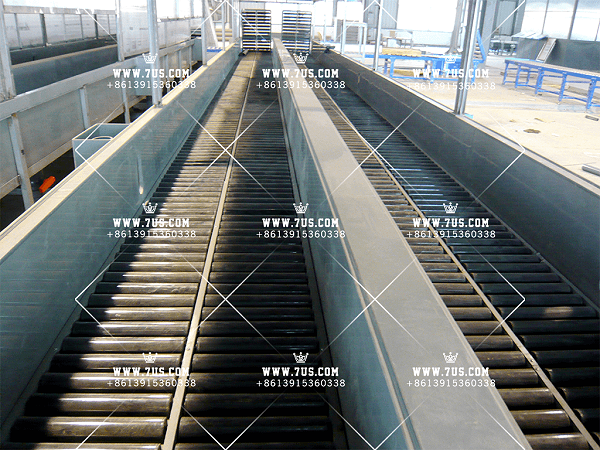
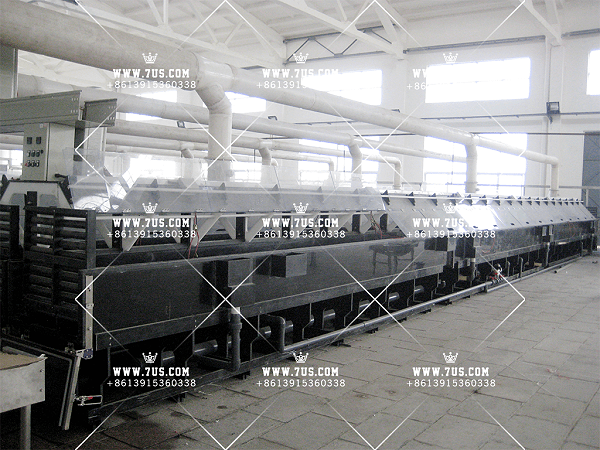
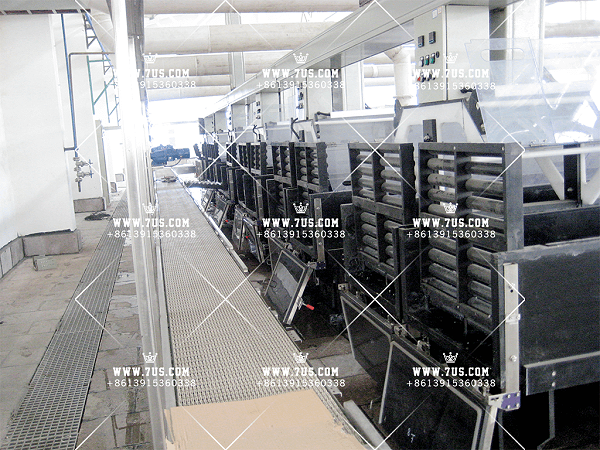
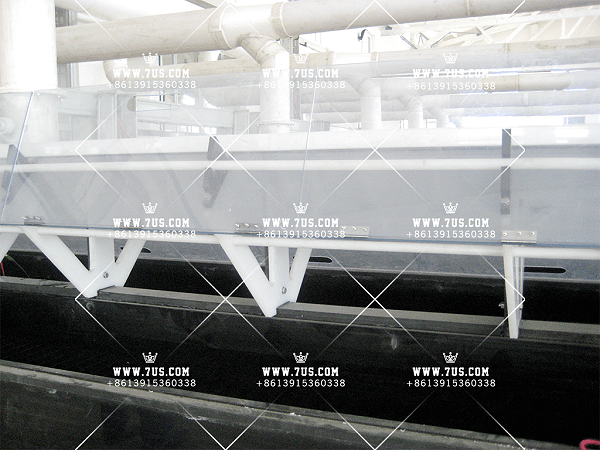
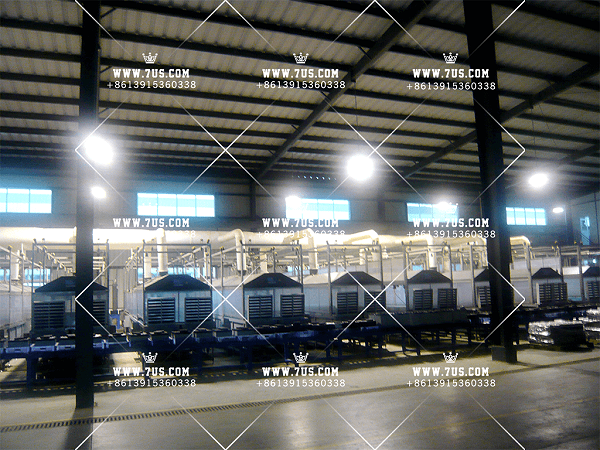

 Lead-Acid Battery Formation Charging