
Lead-Acid Battery Manufacturing 1. Lead-acid battery manufacturing involves several processes that may generate lead-containing dust, lead oxide particles, fumes, sulfuric acid mist, wastewater and other industrial contaminants. 2. Lead-containing dust generated during processes such as paste mixing, plate handling, brushing and related operations should be effectively captured and controlled to reduce airborne contamination and occupational exposure. 3. Sulfuric acid used in lead-acid battery production is highly corrosive. Acid dilution, filling, formation and related processes require suitable corrosion-resistant equipment, ventilation and appropriate safety measures. 4. Different production stages require different environmental control technologies. Dust collection, acid mist treatment, wastewater treatment and process-water preparation should be selected according to the specific operation and contaminant. 5. Appropriate personal protective equipment, engineering controls and operating procedures should be used according to the process hazards and applicable workplace safety requirements.
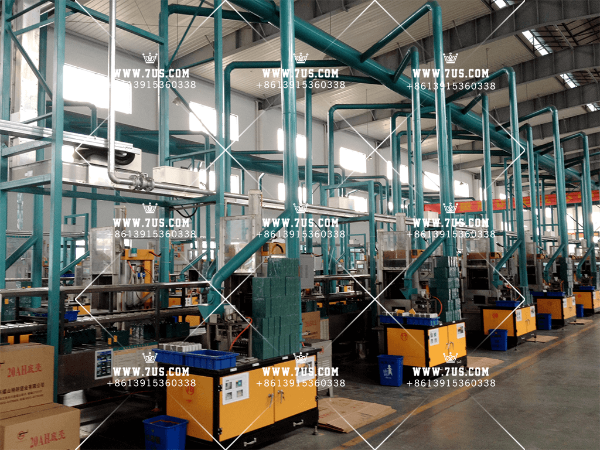
1. In lead-acid battery manufacturing, cast welding, battery assembly and packaging processes can generate lead-containing fume and fine airborne particulate at different production stages. 2. Effective capture and filtration of lead-containing contaminants can help reduce airborne exposure and improve the working environment in lead-acid battery production facilities. 3. During the cast welding process, lead-containing fume may be generated and should be captured as close as practical to the point of generation. 4. Battery assembly, component handling and related packaging operations may also generate lead-containing dust, depending on the specific production process and materials involved. 5. Dust-generating finishing, cleaning or handling operations in lead-acid battery production should be provided with suitable local extraction where required. 6. Collected lead-containing fume and dust can be conveyed through ductwork to a centralized dust collector for filtration. 7. PTFE-coated filter cartridges can be used as the primary filtration stage, with an optional H14 HEPA final filter where higher filtration efficiency is required. 8. Final outlet concentration depends on the contaminant characteristics, filtration configuration, operating conditions and applicable emission requirements. Performance should be verified under the actual operating conditions.
1. Lead-acid battery manufacturing can generate acidic wastewater containing lead and other contaminants from different production and cleaning processes. This wastewater should be collected and treated before discharge or reuse. 2. Wastewater generated at different production areas can be collected through dedicated drainage or wastewater collection piping and conveyed to a centralized wastewater treatment system. 3. The collected wastewater is transferred to the treatment system, where pH adjustment and chemical dosing can be used to promote precipitation and removal of dissolved or suspended contaminants. 4. After chemical treatment, the wastewater can enter an inclined plate or tube clarifier for solid-liquid separation and sedimentation. 5. Clarified water can be further treated by filtration processes such as sand filtration and activated carbon filtration according to the influent quality and required treatment objective. 6. Where reclaimed water reuse is required, additional treatment such as RO (reverse osmosis) can be applied according to the required reuse-water quality. Final discharge or reuse requirements should be determined according to the actual wastewater characteristics and applicable local standards.

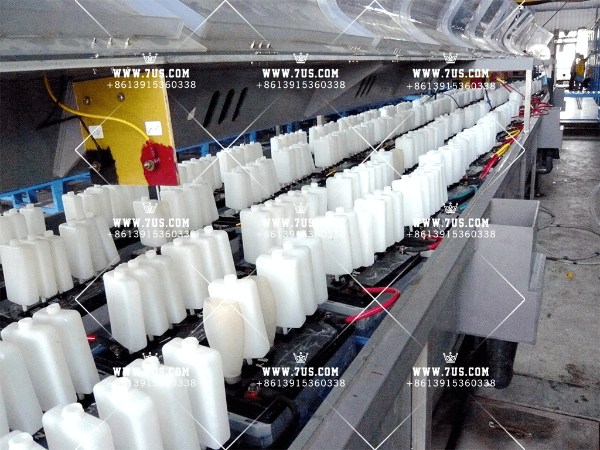
1. In lead-acid battery manufacturing, sulfuric acid electrolyte is added to the assembled battery before or during the formation charging process, where electrochemical reactions convert the active materials into their functional charged state. 2. Battery formation charging can generate heat, sulfuric acid mist and gases. Effective ventilation and acid mist capture are therefore important for controlling emissions around the formation line. 3. Sulfuric acid mist is corrosive and should be captured close to the source to help reduce workplace exposure and corrosion of surrounding equipment and building structures. 4. Formation charging lines can be equipped with suitable local enclosures or extraction hoods connected to an exhaust duct system. The collected acid mist can then be conveyed to an acid mist scrubber for treatment. 5. A packed-bed scrubber can use recirculating scrubbing liquid and a spray system to contact the acid mist. Where appropriate, alkaline scrubbing solution can be used to neutralize captured acidic contaminants. 6. Hydrogen may also be generated during lead-acid battery formation charging. Hydrogen accumulation and ignition risks should be addressed separately through suitable ventilation, electrical safety and other measures required for the actual installation.
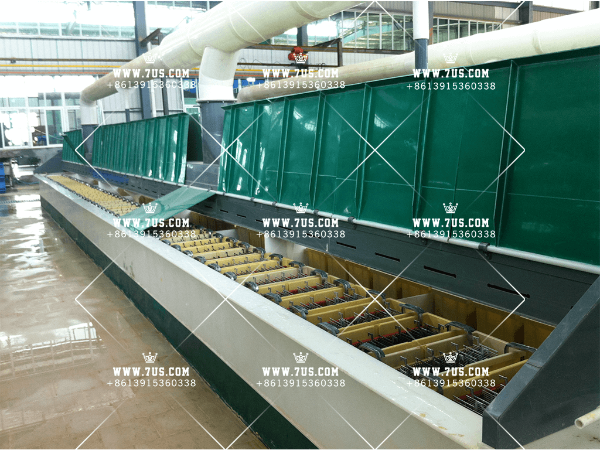
1. In lead-acid battery manufacturing, cured positive and negative plates can undergo a plate formation process in an electrolyte containing sulfuric acid, where electrochemical reactions convert the active materials into their required electrochemical state. 2. During plate formation, electrochemical reactions and gas evolution can generate sulfuric acid mist above the formation tanks. Effective capture and ventilation are important for controlling acid mist emissions around the production line. 3. Sulfuric acid mist is corrosive and should be captured close to the formation tanks to help reduce workplace exposure and corrosion of surrounding equipment and building structures. 4. Plate formation tanks can be equipped with suitable local enclosures or extraction hoods connected to an exhaust duct system. The collected acid mist can then be conveyed to an acid mist scrubber for treatment. 5. A packed-bed acid mist scrubber can use recirculating scrubbing liquid and a spray system to provide gas-liquid contact. Where appropriate, alkaline scrubbing solution can be used to neutralize captured acidic contaminants. 6. Gas evolution may also occur during plate formation. Ventilation, electrical safety and other process-specific safety measures should be determined according to the actual formation process and installation requirements.
No. 173, Wuwei Industrial Zone, Xushe Town, Yixing, Jiangsu, China© 1994-2026 7US.com. All rights reserved | Privacy PolicySite map
Phone