
Lead-Acid Battery Manufacturing 1. Lead-acid battery manufacturing involves several processes that may generate lead-containing dust, lead oxide particles, fumes, sulfuric acid mist, wastewater and other industrial contaminants. 2. Lead-containing dust generated during processes such as paste mixing, plate handling, brushing and related operations should be effectively captured and controlled to reduce airborne contamination and occupational exposure. 3. Sulfuric acid used in lead-acid battery production is highly corrosive. Acid dilution, filling, formation and related processes require suitable corrosion-resistant equipment, ventilation and appropriate safety measures. 4. Different production stages require different environmental control technologies. Dust collection, acid mist treatment, wastewater treatment and process-water preparation should be selected according to the specific operation and contaminant. 5. Appropriate personal protective equipment, engineering controls and operating procedures should be used according to the process hazards and applicable workplace safety requirements.
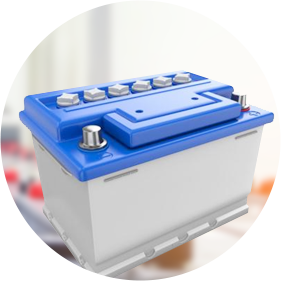
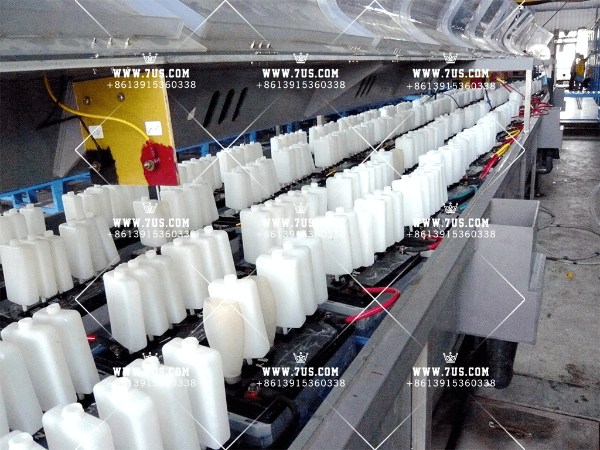
1. In lead-acid battery manufacturing, sulfuric acid electrolyte is added to the assembled battery before or during the formation charging process, where electrochemical reactions convert the active materials into their functional charged state. 2. Battery formation charging can generate heat, sulfuric acid mist and gases. Effective ventilation and acid mist capture are therefore important for controlling emissions around the formation line. 3. Sulfuric acid mist is corrosive and should be captured close to the source to help reduce workplace exposure and corrosion of surrounding equipment and building structures. 4. Formation charging lines can be equipped with suitable local enclosures or extraction hoods connected to an exhaust duct system. The collected acid mist can then be conveyed to an acid mist scrubber for treatment. 5. A packed-bed scrubber can use recirculating scrubbing liquid and a spray system to contact the acid mist. Where appropriate, alkaline scrubbing solution can be used to neutralize captured acidic contaminants. 6. Hydrogen may also be generated during lead-acid battery formation charging. Hydrogen accumulation and ignition risks should be addressed separately through suitable ventilation, electrical safety and other measures required for the actual installation.
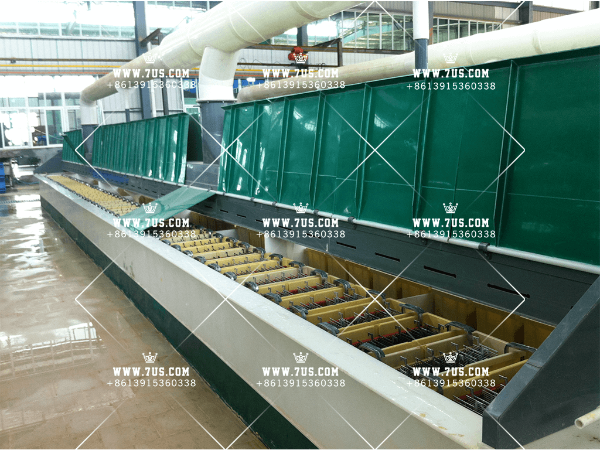
1. In lead-acid battery manufacturing, cured positive and negative plates can undergo a plate formation process in an electrolyte containing sulfuric acid, where electrochemical reactions convert the active materials into their required electrochemical state. 2. During plate formation, electrochemical reactions and gas evolution can generate sulfuric acid mist above the formation tanks. Effective capture and ventilation are important for controlling acid mist emissions around the production line. 3. Sulfuric acid mist is corrosive and should be captured close to the formation tanks to help reduce workplace exposure and corrosion of surrounding equipment and building structures. 4. Plate formation tanks can be equipped with suitable local enclosures or extraction hoods connected to an exhaust duct system. The collected acid mist can then be conveyed to an acid mist scrubber for treatment. 5. A packed-bed acid mist scrubber can use recirculating scrubbing liquid and a spray system to provide gas-liquid contact. Where appropriate, alkaline scrubbing solution can be used to neutralize captured acidic contaminants. 6. Gas evolution may also occur during plate formation. Ventilation, electrical safety and other process-specific safety measures should be determined according to the actual formation process and installation requirements.
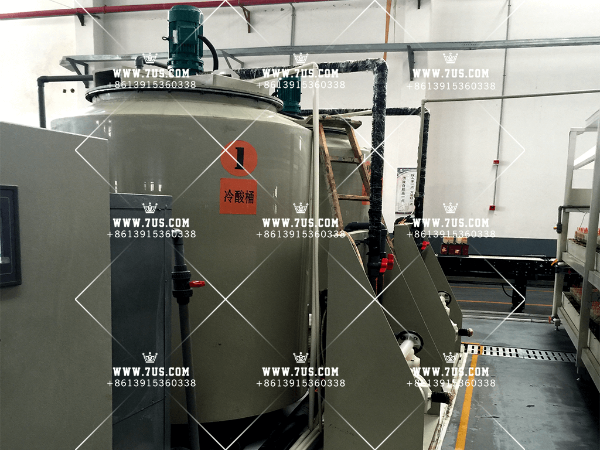
1. In lead-acid battery manufacturing, an electrolyte cooling system can be used to cool dilute sulfuric acid before filling or other temperature-sensitive production processes. 2. The system uses a heat exchanger and refrigeration equipment to reduce the electrolyte temperature. For applications requiring low-temperature electrolyte, the system can be designed to cool dilute sulfuric acid from approximately 25°C to 5–8°C, depending on the required capacity and operating conditions. 3. Acid-contact components are selected from suitable corrosion-resistant materials, and a closed-process design can help reduce external contamination and improve electrolyte handling during production. 4. During lead-acid battery filling and formation, electrochemical reactions can generate heat and increase the battery temperature. Excessive temperature may affect process stability, battery components and product quality. 5. Pre-cooling the electrolyte before filling can help control the subsequent temperature rise and maintain the process within the required operating range. The required electrolyte temperature should be determined according to the battery design and production process.
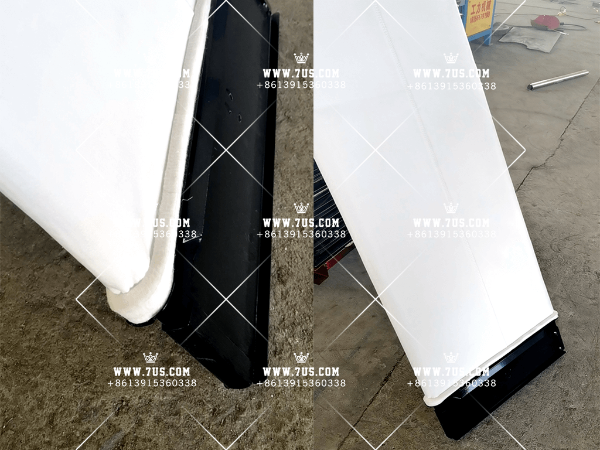
1. Industrial filter bags for flat and round baghouse dust collectors. 2. Multiple filter media options are available, including polyester, PTFE, P84 and other materials for different dust and temperature conditions. 3. Filter bag dimensions, top and bottom constructions and sewing details can be customized to match existing baghouse equipment. 4. Proper media selection helps maintain stable pressure drop, dust cake formation and pulse-jet cleaning performance. 5. Suitable for a wide range of dry dust collection applications, subject to dust temperature, moisture, oil content and chemical conditions. 6. OEM production according to drawings, samples or confirmed specifications is available.
No. 173, Wuwei Industrial Zone, Xushe Town, Yixing, Jiangsu, China© 1994-2026 7US.com. All rights reserved | Privacy PolicySite map
Phone