
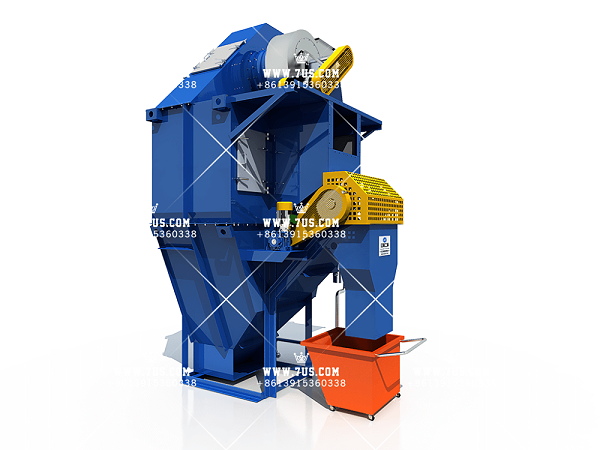
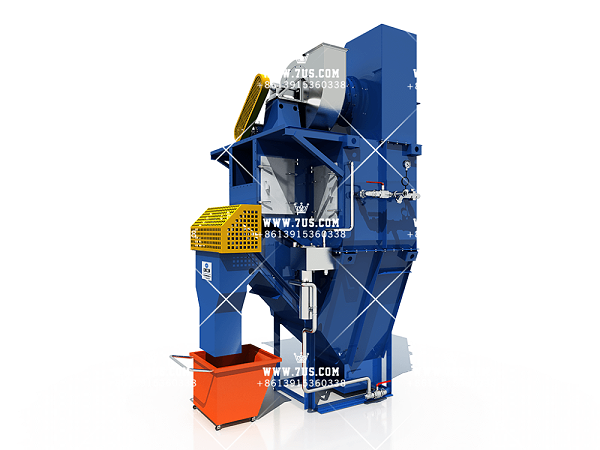
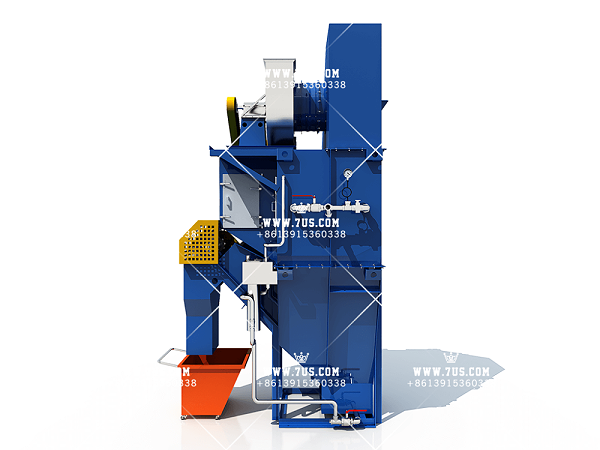
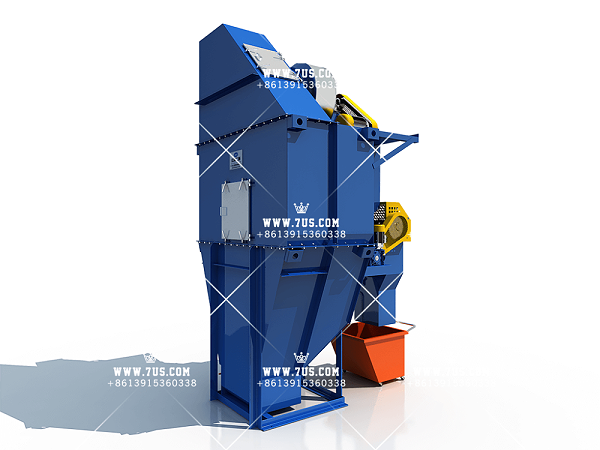
Self-Induced Wet Dust Collector for Large Airflow
1. Self-induced wet scrubbing uses high-velocity airflow to generate turbulent water waves for intensive dust capture.
2. No water pump or spray nozzles are required for the primary dust collection process, reducing nozzle-clogging and maintenance issues.
3. Recirculating scrubbing water helps reduce water consumption, with automatic make-up water available to maintain the required operating level.
4. Designed for continuous industrial operation, with multiple sludge discharge configurations available for different dust loads and processes.
5. Suitable for large-airflow applications involving hot, humid, oily, sticky or high-concentration dust-laden air.
6. Wet collection can also be applied to certain combustible metal dust applications, subject to the dust properties and project-specific safety requirements.
The EHWD wet dust collector uses water as the scrubbing liquid. It does not require a water pump or spray nozzles for the primary scrubbing process, helping reduce nozzle-clogging issues. The self-induced wet dust collector uses a specially designed airflow path.
As dust-laden air passes through the S-shaped channel, the airflow accelerates and generates continuous turbulent water waves that intensify contact between the dust and the scrubbing water, causing particles to become wetted and captured in the water.
Self-induced wet dust collectors are suitable for demanding applications involving hot, humid, oily, sticky, high-concentration, or certain combustible dusts, subject to the specific dust properties and project safety requirements.
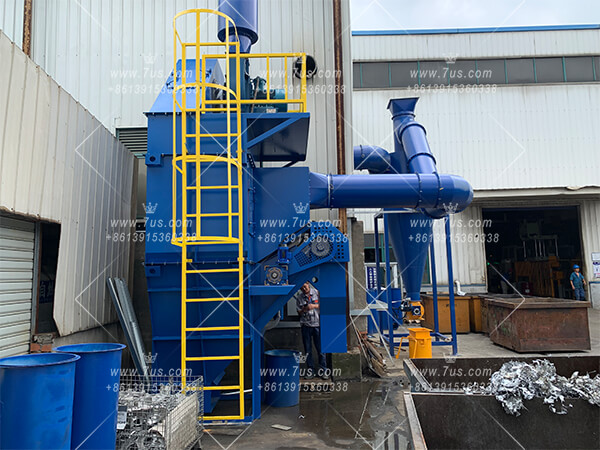 EHWD-C Chain Scraper Wet Dust Collector
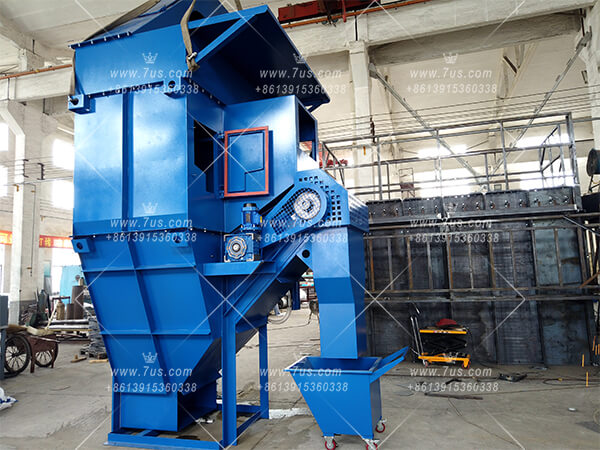 EHWD-C Automatic Sludge Discharge
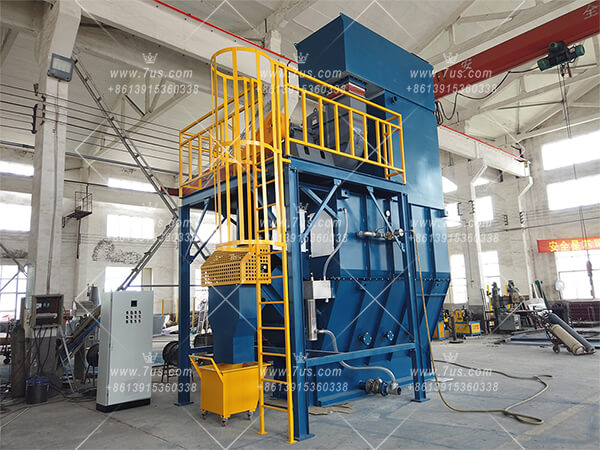 Wet Scrubbing + Activated Carbon Filtration
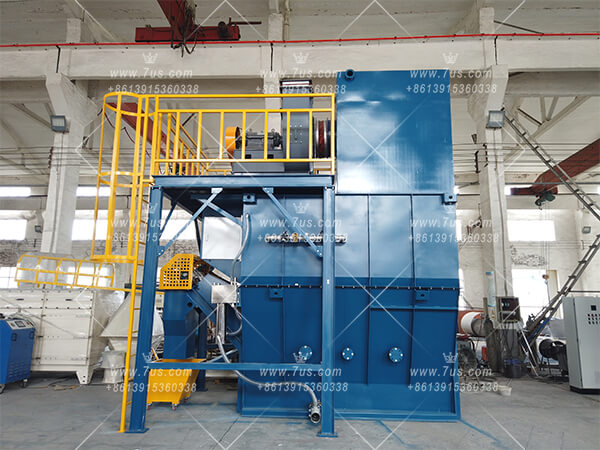 Wet Dust Collection + Carbon Filtration
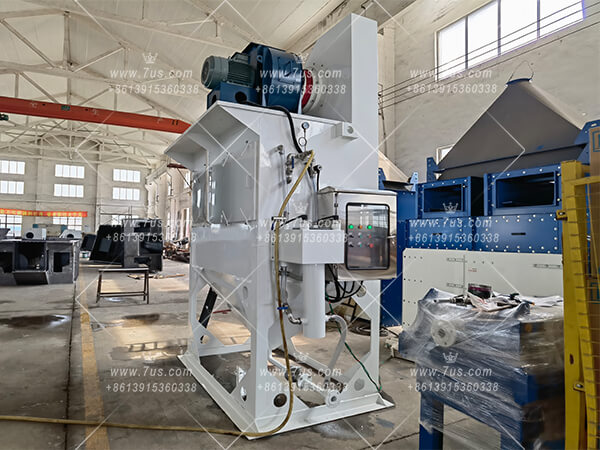 EHWD-D Wet Dust Collector
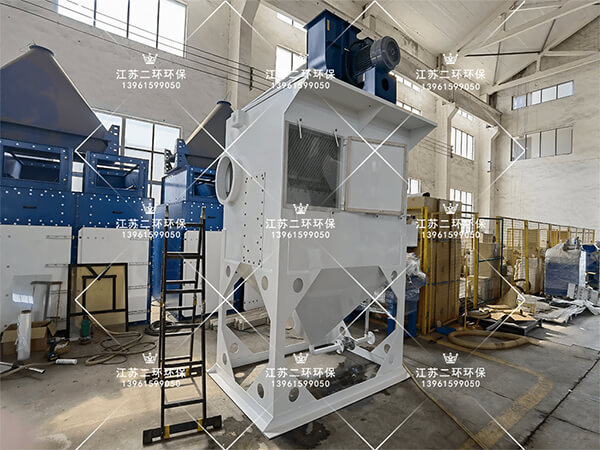 EHWD-D Valve-Controlled Sludge Discharge
 EHWD-S Integrated Wet Dust Collector
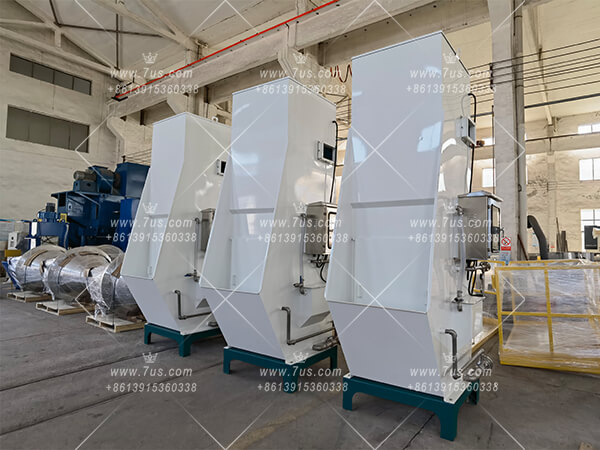 EHWD-S All-in-One Configuration
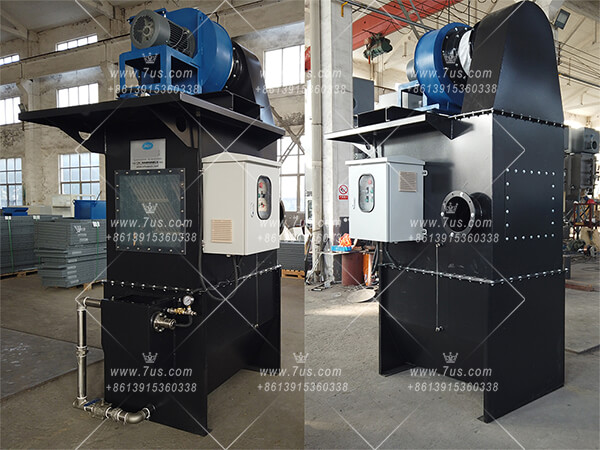 EHWD-B Wet Dust Collector
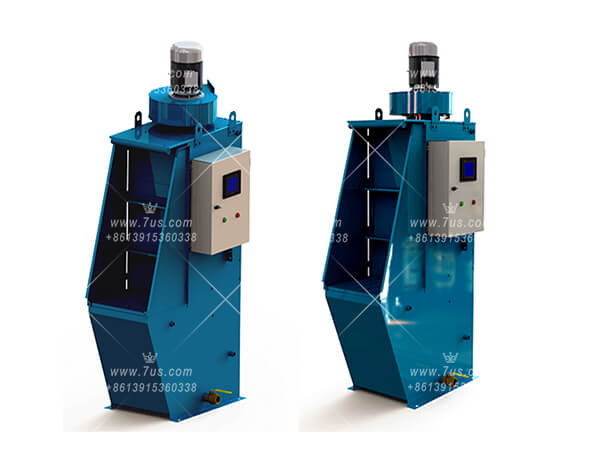 EHWD-V Wet Dust Collection Workbench
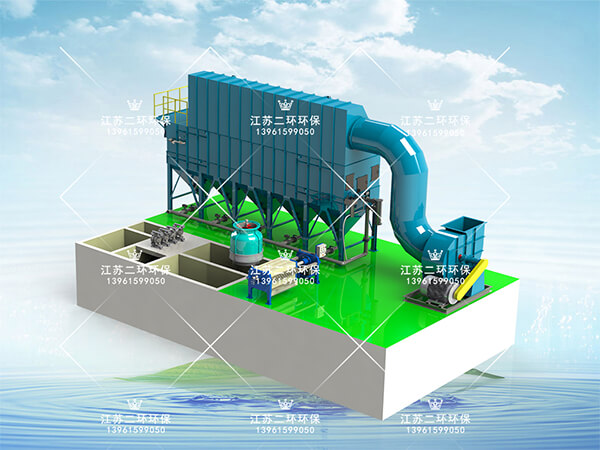 Wet Dust Collection for Sintering & Steelmaking
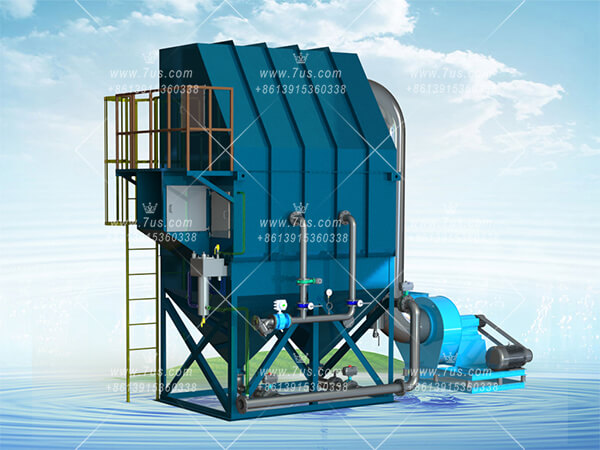 Hot and Moisture-Laden Metallurgical Dust
 Wet Dust Collection for Ore Crushing
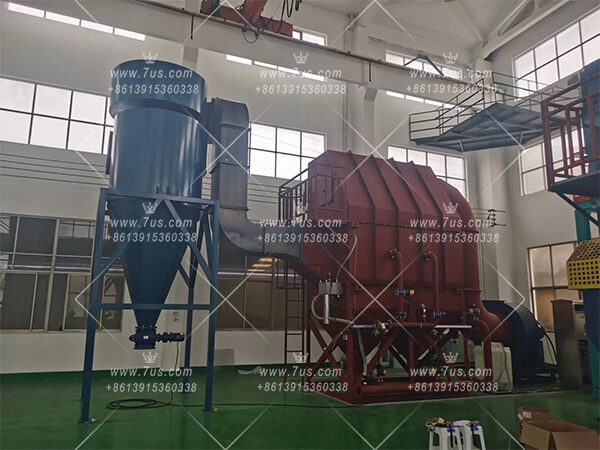 Wet Dust Collection for Crushing
 Al / Mg / Ti Combustible Metal Dust
 Wet Dust Collector + F9 + HEPA
A: Yes. It can be applied to hot, moisture-laden dust streams generated by processes such as sintering, mixing, slag handling, and other metallurgical operations. Final collection performance depends on the actual process conditions and overall system design.
2. Can it be used for combustible aluminum, magnesium, and titanium dust?A: Yes, for suitable applications. Fine dust generated during grinding or polishing of aluminum, magnesium, and titanium alloys can be combustible. The self-induced wet dust collector does not require a water pump or spray nozzles for primary dust capture. Where metal dust may react with water and generate hydrogen, a dedicated hydrogen vent path and appropriate project-specific safety measures should be considered.
A: Yes. Dust from quenching, casting, smelting, spraying, and similar processes may contain oil, moisture, or adhesive material. Such contaminants can quickly blind conventional filter bags or cartridges, while wet dust collection can provide a practical alternative for suitable applications.
4. Is water consumption high?A: Water consumption is relatively low because the scrubbing water is recirculated. Water lost through evaporation or sludge discharge can be automatically replenished by a level-controlled make-up water system.
A: Yes, provided suitable freeze-protection measures are used. Options may include indoor installation above 0°C, steam heating, electric heaters, external heat tracing, or thermal insulation around the water tank and piping.
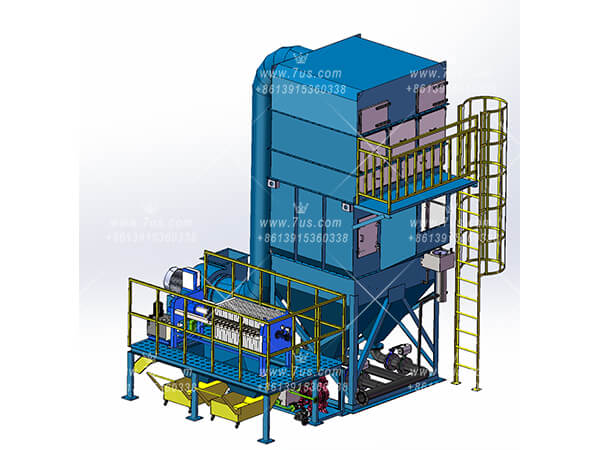
6. How is wastewater or sludge handled?A: If an on-site wastewater treatment system is available, the slurry can be discharged for treatment. Otherwise, solid-liquid separation equipment such as a filter press or another suitable separation system can be used to recover solids and return clarified water to the wet dust collector.
A: An optional floating-solids collection system can be added where lightweight material accumulates on the water surface. Overflow or other suitable separation methods can be selected according to the collected material.
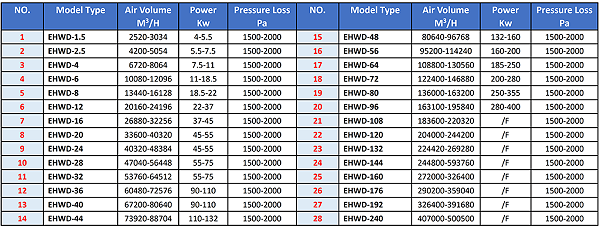
8. What airflow range and pressure loss are available?A: Large EHWD systems can be configured for airflow ranging approximately from 10,000 to 500,000 m³/h. Typical equipment pressure loss is about 1,500–2,000 Pa. Final fan pressure must also account for ductwork, hoods, and other system resistance.
A: The self-induced wet dust collector does not require a water pump, spray nozzles, or packing media for primary dust capture. Fan airflow passes through a specially designed internal channel and generates continuous turbulent water waves, creating intensive contact between dust-laden air and the scrubbing water.
10. Must the unit be shut down for sludge discharge?A: No. Suitable EHWD configurations can discharge sludge while the dust collector remains in operation. Shutdown is generally required only for maintenance tasks such as complete tank draining, inspection, or internal cleaning.
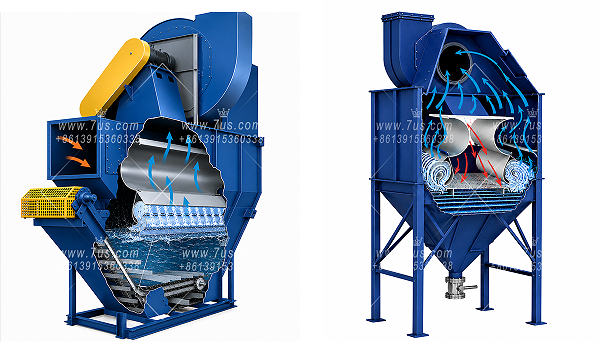
The EHWD wet dust collector uses airflow generated by the fan to create intensive contact between dust-laden air and the scrubbing water. As the air passes through the specially designed internal flow channel, the local air velocity increases and continuously agitates the water surface, forming turbulent water waves and a dense air-water contact zone.
Dust particles entering this turbulent zone become wetted and are captured by the scrubbing water. Rapid changes in airflow direction and velocity increase the interaction between the particles and the liquid, helping transfer collected dust from the air stream into the water.
After wet scrubbing, entrained water droplets are separated from the cleaned air by internal mist-elimination baffles. The collected water returns to the tank and is reused. Because the primary scrubbing action is generated by airflow, the system does not require a recirculation water pump or spray nozzles for the main dust collection process.
A controlled quantity of make-up water is added to compensate for evaporation and water removed with discharged sludge. Stable airflow and the correct operating water level are important for maintaining consistent turbulent wave formation and dust collection performance.
The EHWD-C wet dust collector is designed for automatic and continuous sludge removal. A chain scraper installed at the bottom of the water tank slowly conveys settled solids toward the discharge outlet, reducing the need for manual sludge removal.
This configuration is suitable for medium- and high-dust-loading applications that require long operating periods, including casting sand handling, shot blasting, polishing, grinding, bulk material conveying and similar industrial processes.
The steep side walls of the water tank help reduce material accumulation. The scraper is driven by a low-speed geared motor, while the slow conveying speed allows part of the retained water to drain from the sludge before discharge. This helps keep more process water inside the system and reduces make-up water demand.
EHWD-D Valve-Controlled Sludge DischargeThe EHWD-D wet dust collector discharges slurry through valves installed at the bottom of the hopper-shaped water tank. The collected sludge can then be transferred through piping to an external wastewater treatment or solid-liquid separation system.
Depending on the application, sludge discharge can be continuous or intermittent. This configuration is suitable for processes such as chemical material handling, mineral processing, crushing, screening, mining and quarry transfer points.
Stable liquid level is important for consistent wet scrubbing performance. Make-up water and sludge discharge should therefore be controlled according to the actual dust loading, slurry concentration and operating conditions.
 Steam / Hot Moisture Applications may include washing systems, die-casting machines, cutting equipment, spray processes, welding, refrigeration processes, EDM machines, galvanizing and casting operations.
 Fume / Smoke Typical applications include welding, laser processing, melting furnaces, cutting, quenching, die casting, foundries, baking processes and other suitable high-temperature exhaust streams.
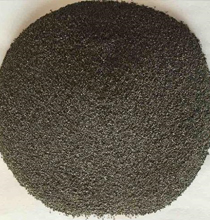 Al / Mg / Ti Dust Typical processes include machining, deburring, grinding, polishing, brushing and cutting operations that generate fine combustible metal dust.
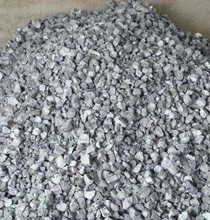 Al / Mg / Ti Processing Suitable processes may include drilling, milling, sawing, deburring, forming and recycling, subject to the specific metal properties and project safety requirements.
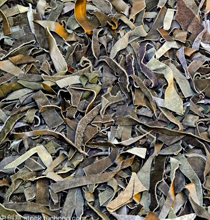 Rubber / Leather / Plastic Applications may include shoe production, tire processing, plastic manufacturing, extrusion, model making and similar industrial processes.
 Fiber / Textile Dust Applications may include textile processing, paper production, waste separation, food processing, insulation material production and other fibrous dust processes.
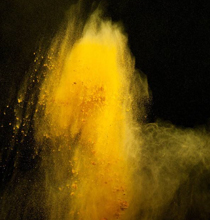 Sticky Dust Suitable for selected food, feed, paint, plastic, adhesive, textile finishing, mixing and conveying applications where sticky dust may quickly blind dry filter media.
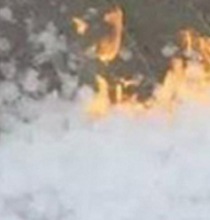 Process Exhaust Applications may include food processing, cleaning systems, mixing operations, industrial exhaust treatment and other suitable process air streams.
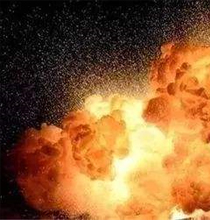 Combustible Dust Wet collection can be considered for suitable combustible dust applications such as polishing, grinding, material processing and recovery, subject to dust properties and project-specific safety requirements.
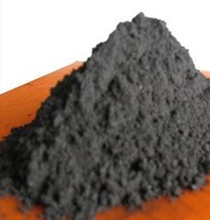 Carbon / Ash Dust Typical applications may include carbon black, cement, mineral processing, electrode production, mold production and other high-dust-loading processes.
1. Integrated fan and wet dust collection design
2. Self-induced turbulent water-wave dust capture
3. No water pump required for primary scrubbing
4. No spray nozzles required for primary dust capture
5. Recirculating water with relatively low water consumption
6. Continuous industrial operation
7. Multiple sludge discharge configurations
8. Robust industrial steel construction
9. Helps cool hot and moisture-laden exhaust streams
10. Optional downstream filtration or gas-treatment stages
11. Suitable for hot, humid, oily, sticky and high-dust-loading applications
1. Reduced risk of spray-nozzle clogging
2. No primary filter cartridges or filter bags to blind with sticky dust
3. Stable collection performance when airflow and water level are properly controlled
4. Suitable for continuous operation
5. Efficient use of fan airflow to generate the scrubbing action
6. Collected dust is transferred into water and discharged as sludge
7. Multiple configurations available for different sludge characteristics
8. Suitable for relatively high dust concentrations
9. Can cool and humidify hot process air during wet collection
10. Can be combined with activated carbon, bag filters, HEPA or other downstream treatment when required
11. Suitable for a wide range of demanding industrial applications
 Products
 Industries
 OEM/ODM
 News
News About us
 Contact
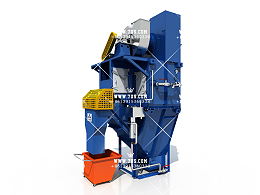 High Airflow Self-Induced Wet Dust Collector
 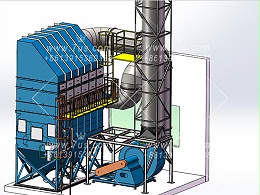 EHWD-DFH Large Airflow Wet Dust Collector with Multi-stage Filtration