Polyester Filter CartridgeJust tell us the image number to choose from
-
-
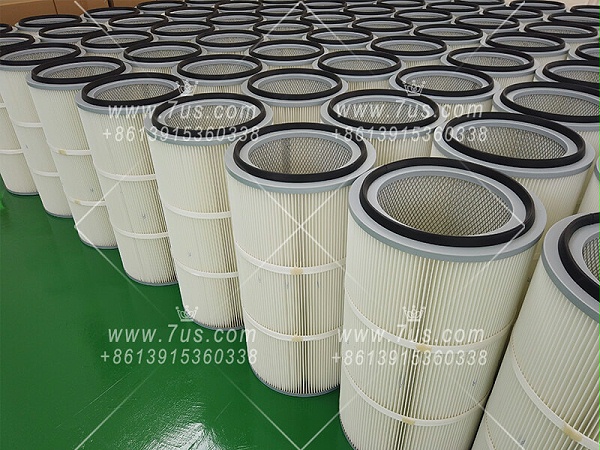
1.1. Pleated polyester (PET) spunbond media is commonly used in industrial dust-collection filter cartridges.
1.2. The media is formed from polyester fibers and processed for pleating and cartridge assembly.
1.3. The fiber structure provides dust capture while allowing airflow through the media. Filtration performance depends on the selected media grade, cartridge construction and operating conditions.
1.4. Common media weights include 240, 260 and 300 grams per square meter. Actual specifications are confirmed according to the selected media.
1.5. Cartridge dimensions, end-cap styles, gaskets and mounting configurations can be customized according to drawings, samples and application requirements, subject to technical review.
Select Based On External FeaturesJust tell us the image number to choose from
-
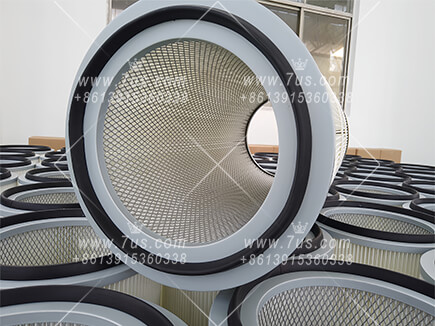
1.1、 Art.No.EHFIL001
-
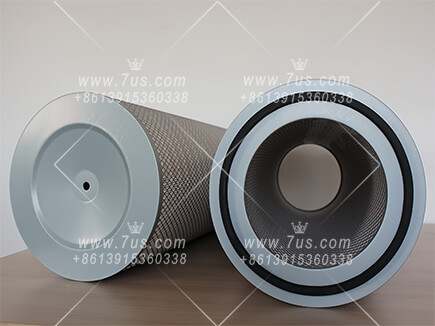
1.2、 Art.No.EHFIL002
-
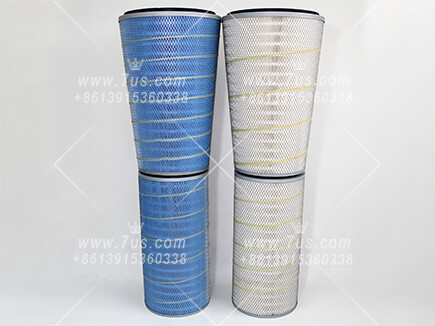
1.3、 Art.No.EHFIL003
-
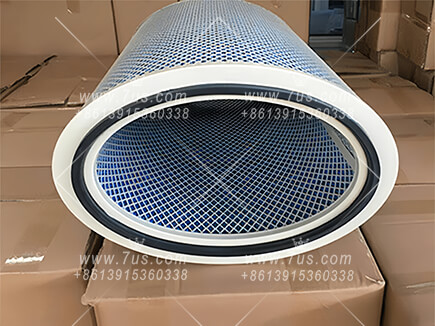
1.4、 Art.No.EHFIL004
-
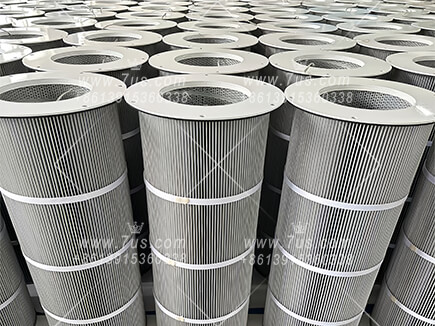
1.5、 Art.No.EHFIL005
-
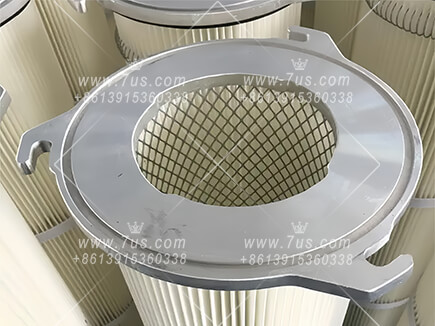
1.6、 Art.No.EHFIL006
-
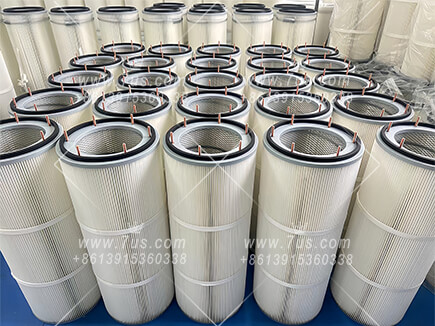
1.7、 Art.No.EHFIL007
-

1.8、 Art.No.EHFIL008
-
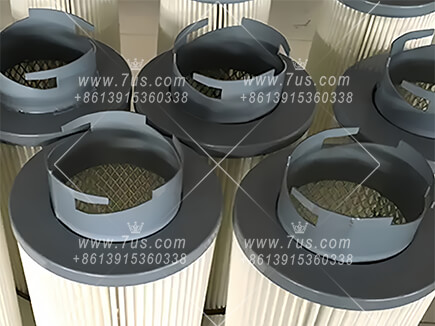
1.9、 Art.No.EHFIL009
-
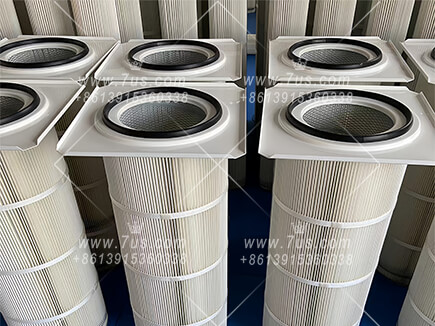
1.10、 Art.No.EHFIL010
-
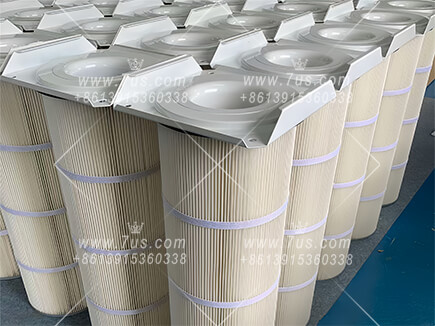
1.11、 Art.No.EHFIL011
-
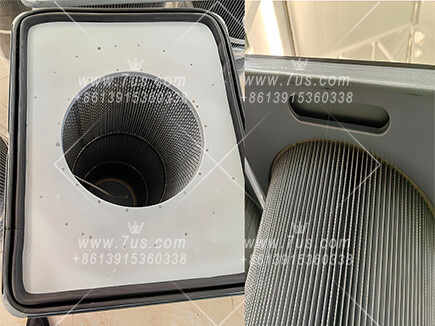
1.12、 Art.No.EHFIL012
-
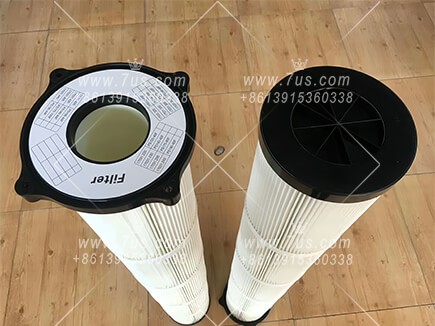
1.13、 Art.No.EHFIL013
-
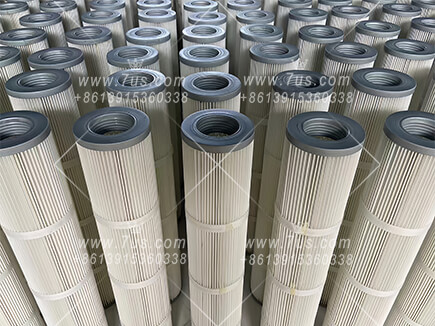
1.14、 Art.No.EHFIL014
-
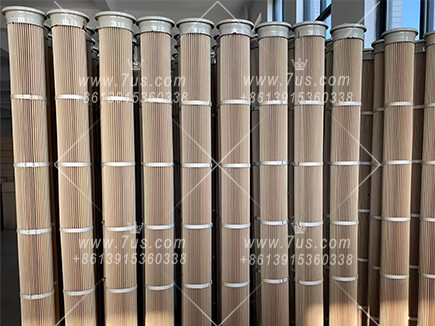
1.15、 Art.No.EHFIL015
-
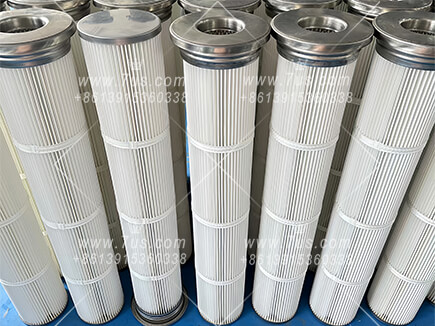
1.16、 Art.No.EHFIL016
Filtration Reference Information

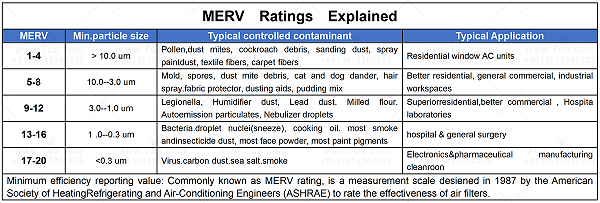
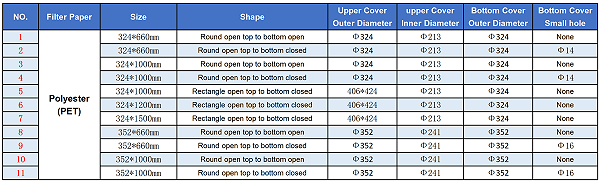
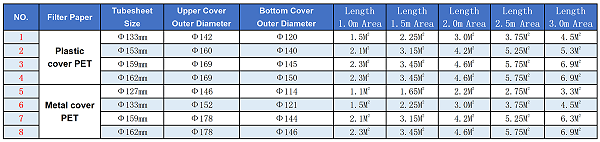
Common Specification Selection Table
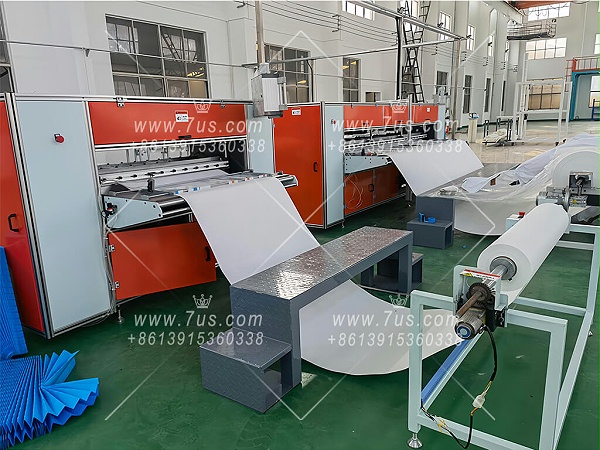
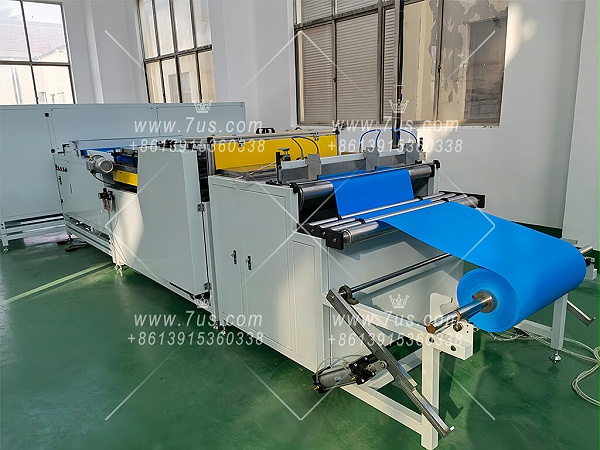
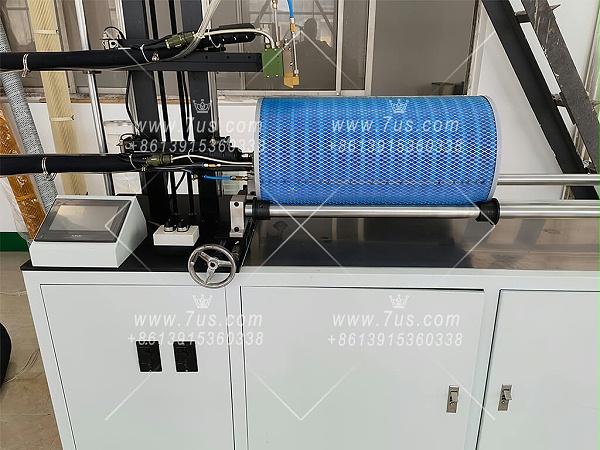
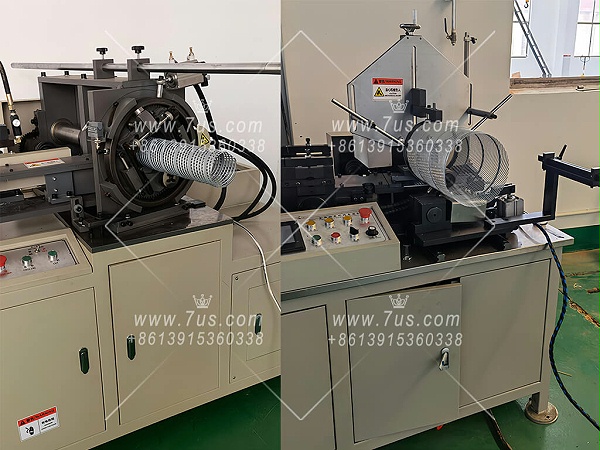
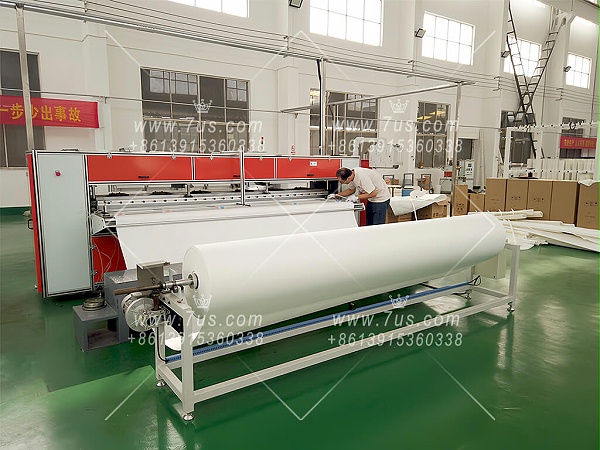
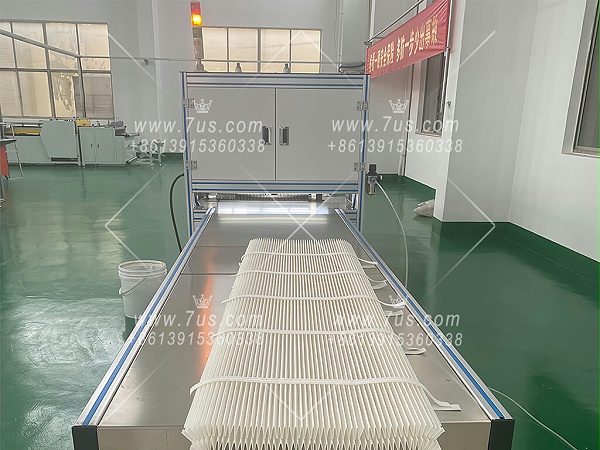
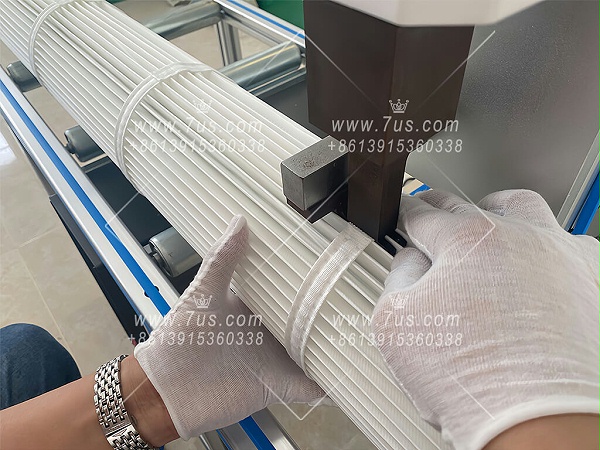
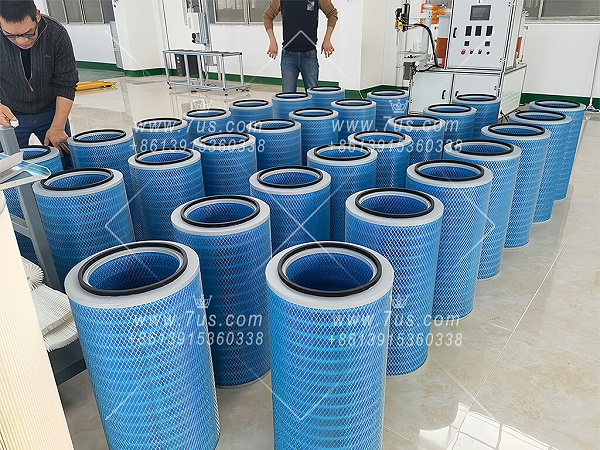
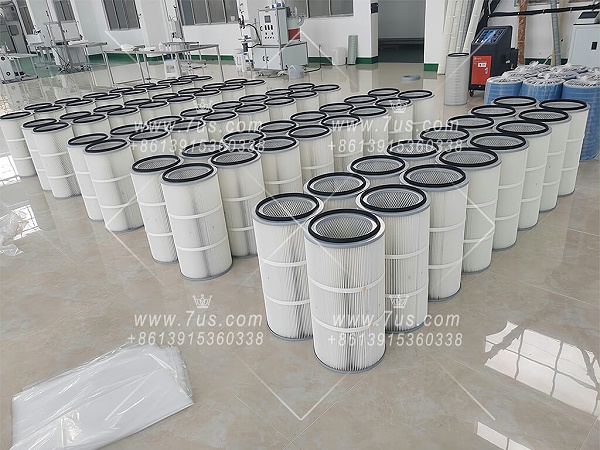
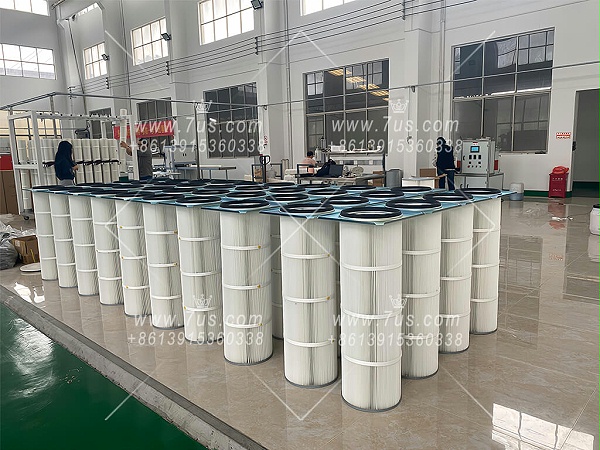
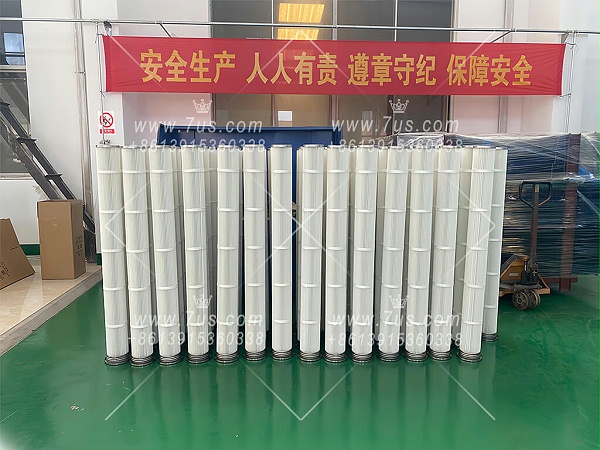
Our Filter Cartridge Production FactoryHow is the filter cartridge produced
Classic Problem About Filter Cartridges
Classic issues regarding filter cartridges
1.1: What is the filter cartridge and filter element?
A filter cartridge is a replaceable filtration element used in a dust collector to capture airborne particulate from the process air stream. Cartridge construction and filter media must be selected according to the dust properties, temperature, moisture,
chemical exposure and required filtration performance.
1.2: Is the filter cartridge better than bag?
Pleated filter cartridges can provide a large filtration area within a compact housing. Their suitability compared with filter bags depends on dust loading, particle characteristics, cleaning method, temperature and system design. High dust loading may
require appropriate pre-separation. Any outlet-emission value must be confirmed for the complete system under the applicable test method and operating conditions.
1.3: What is the working principle of removing dust from the filter cartridge?
Pulse-jet cleaning uses short pulses of compressed air to create a reverse airflow and flex the pleated media, helping release accumulated dust from the surface. The required cleaning pressure and pulse settings depend on the cartridge construction and
dust collector design; a supply pressure of 4 bar or higher is commonly used when specified by the equipment manufacturer.
1.4:What are the dimensions of the filter cartridge?
Common cartridge sizes include 350 × 660 mm, 324 × 660 mm and 324 × 1000 mm. Other dimensions may be produced according to drawings, samples and application requirements, subject to manufacturing and technical confirmation.
1.5:What are the shapes of filter cartridges?
Available constructions include cylindrical, conical and slim-profile cartridges. Replacement cartridges can be evaluated according to customer drawings, dimensions or samples without implying affiliation with or authorization from the original equipment
manufacturer.
1.6: What are the installation methods for filter cartridges?
The installation methods of filter cartridges include flat installation, oblique insertion, chuck pressure rod type, nut lifting type, three ear screw in type, top installation type, bottom installation type, side installation type, and so on.
Introduction To The Materials Of Filter
2.1: What are the materials of the filter cartridge?
Common cartridge media include cellulose-based paper and polyester (PET). For suitable high-temperature applications, glass fiber, PPS, P84 or NOMEX media may also be considered. Selection must be based on the actual temperature and chemical conditions.
2.2: What is a paper filter cartridge?
Using fiber paper as the basic material, abbreviated as substrate, is usually used to filter low concentration flue gas. For filter cartridges of the same size and specification, fiber paper has more wrinkles. Taking a 350 * 660mm filter cartridge as
an example, the filtering area is usually around 20-23.4 square meters.
2.3: What are the functional options for paper filter cartridges?
On the substrate of fiber paper, surface treatment with functions such as nanocoating, flame retardancy, and anti-static can usually be carried out, followed by deep processing and comprehensive composite technology.
2.4: What is a polyester filter cartridge?
Polyester (PET) spunbond media is pleated to form the filtration pack and is commonly selected for industrial dust applications requiring good mechanical strength. Taking a 350 × 660 mm cartridge as an example, the filtration area is typically around
9–10 square meters, depending on pleat geometry and construction.
2.5: What are the functional options for polyester filter cartridges?
Polyester media can be supplied with options such as PTFE membrane, flame-retardant treatment or antistatic construction. Each option must be selected and verified for the specific application. Antistatic media and grounding are only parts of an overall
combustible-dust risk-control system and do not replace project-specific fire or explosion protection.
Introduction To The Filtration Accuracy
3.1: How is the accuracy of the filter cartridge ensured?
Cartridge filtration performance is determined by the base media, surface treatment, pleat geometry, sealing and complete cartridge construction. Surface treatments such as nanofiber layers or PTFE membranes can support surface filtration and fine-particle
capture. Efficiency classifications must be stated only when supported by a test report identifying the applicable standard and test method. Media weight alone does not determine filtration efficiency or service life.
3.2: What is the difference between nano, adhesive film, and thermal film?
Nanofiber surface layers are commonly applied to cellulose-based media to improve surface dust capture. Polyester media may be untreated, resin-treated or laminated, depending on the application. PTFE membrane can be thermally laminated to polyester media
to support surface filtration and dust release. The appropriate construction must be confirmed according to dust properties and operating conditions.
3.3: The larger the filtration area of the filter cartridge, the higher its filtration efficiency?
A larger media area can reduce air-to-media ratio, but it does not by itself determine filtration efficiency. Excessively tight pleat spacing can trap dust between pleats, impair pulse cleaning and shorten service life. Filtration area, pleat spacing
and cartridge construction must therefore be balanced for the application.
3.4: What is the appropriate filtration rate for the filter cartridge?
Air-to-media ratio affects pressure drop, dust loading and cleaning performance, but does not independently determine filtration efficiency. The appropriate value depends on dust characteristics, concentration, media, cleaning method and operating conditions.
For preliminary selection, polyester cartridges are commonly designed at no more than approximately 1.2 m/min, subject to engineering review for the actual application.

 Products
 Industries
 OEM/ODM
 News
News About us
 Contact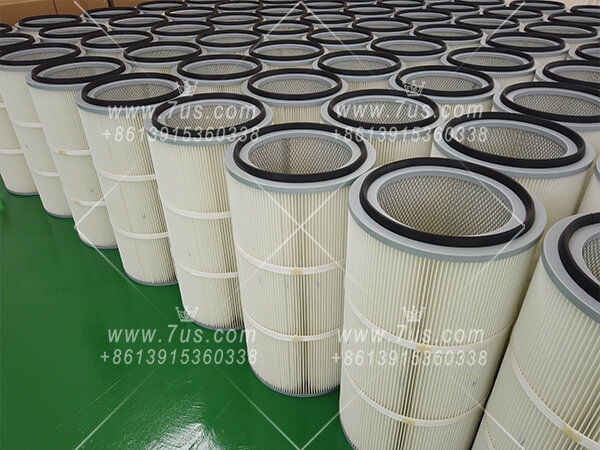

 Cartridge Dust Collector Filters and Accessories
 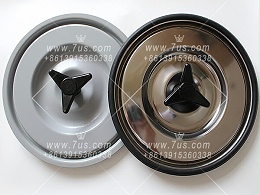 Cartridge Filter Access Cover