
Dec 08, 2020
What Is a Spark Catcher? What Are the Design Requirements?
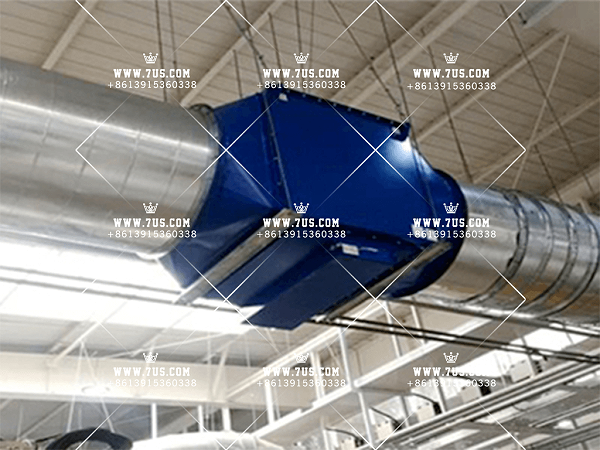
A spark catcher is used to capture sparks, hot particles and larger dust particles from an air stream before they enter downstream dust collection equipment. Spark catchers can be designed with different structures, including cyclonic and baffle types, depending on the application and operating conditions.
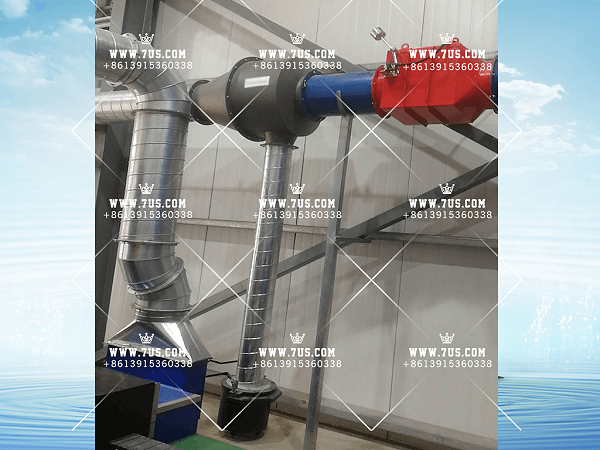
A cyclonic spark catcher uses rotational airflow and centrifugal force to separate sparks, hot particles and larger dust particles from the gas stream. When the dust-laden airflow enters the unit, the internal structure causes the airflow to rotate. Particles with greater mass and inertia move toward the outer wall, lose velocity and fall toward the collection section, while the treated air continues through the outlet.
This type of pre-separation equipment can help reduce the amount of sparks and coarse particles entering downstream dust collectors. Actual performance depends on particle size, airflow, inlet velocity, equipment geometry and operating conditions.
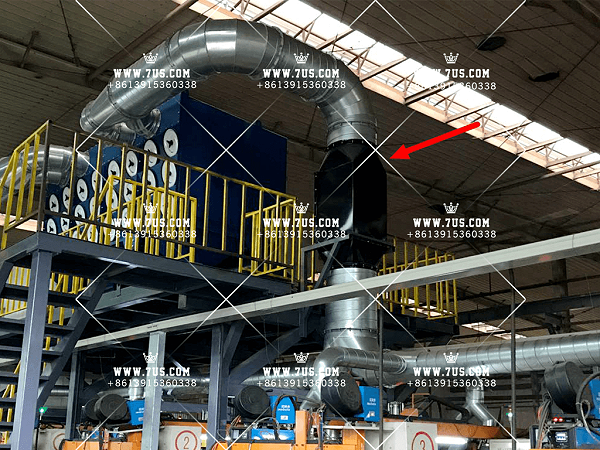
General design considerations for a spark catcher include:
1. The equipment material should be selected according to the gas temperature, dust characteristics, corrosion conditions and project requirements.
2. Airflow velocity should be selected according to the required separation performance, pressure drop and system operating conditions.
3. Internal components exposed to abrasive particles should be designed with appropriate wear protection where necessary.
4. For high-temperature applications, thermal expansion and temperature resistance should be considered in the equipment design.
5. Spark catchers are generally installed upstream of the main dust collector as a pre-separation device. Depending on the application, additional fire or explosion protection measures may be required in accordance with applicable local regulations and project requirements.
Spark catchers can reduce the number of sparks and larger hot particles entering downstream equipment, but they should not be considered a complete fire or explosion protection system by themselves.
 Products
 Industries
 OEM/ODM
 News
News About us
 Contact